
Lines: Horizontal
1962
No user ratings available yet
Representation score: 1.6 out of 10
Representation Score
Fair
2006
Director
Theodore Ushev
Runtime
4 minutes
Average Rating
No ratings yetNew Showbiz Analysis
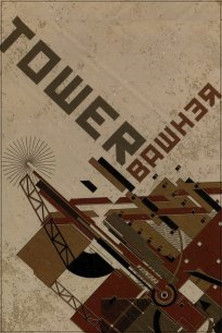
Tower Bawher is a visually striking animated short that prioritizes stylistic homage to Russian Constructivism over demographic representation. By using geometric forms and non-humanoid shapes, the film intentionally strips away individual identity in favor of a collective, mechanical mass. This abstraction results in limited representation of LGBTQ+ and racial diversity, as specific identities are rendered invisible. However, the film offers a sophisticated look at how industrial power structures dehumanize the individual, providing a unique but demographically thin experience.
Category Breakdown
The film uses highly abstracted, non-humanoid shapes and geometric forms. This extreme abstraction prevents any clear depiction of sexual orientation or queer identities.
Characters function as mechanical parts within a vertical hierarchy. While this avoids traditional gender hierarchies, it also denies characters the typical roles usually associated with gendered representation.
The reliance on Constructivist abstraction makes specific racial or ethnic identification impossible. The work focuses on geometric form over individual identity.
The film excels in its critique of industrial capitalism and dehumanizing bureaucratic structures. It portrays the 'Tower' as an oppressive, soul-crushing machine.
There is no explicit depiction of disability. Instead, the film uses the mechanical degradation of the body as a metaphor for social stratification.
Present on Screen
Limited or Absent
Official Synopsis
This animated short by Theodore Ushev is like a whirlwind tour of Russian constructivist art and is filled with visual references to artists of the era, including Vertov, Stenberg, Rodchenko, Lissitsky and Popova.
1962
1992
1940
1952
2013
2012

1962
1959
No reviews yet. Be the first to share your thoughts on this movie!
Use the rating form above to leave a star rating and optional review.