
Disc Jockey
1980
No user ratings available yet
Representation score: 3.1 out of 10
Representation Score
Fair
1985
AODirector
Zbigniew Rybczyński
Runtime
8 minutes
Average Rating
No ratings yetNew Showbiz Analysis
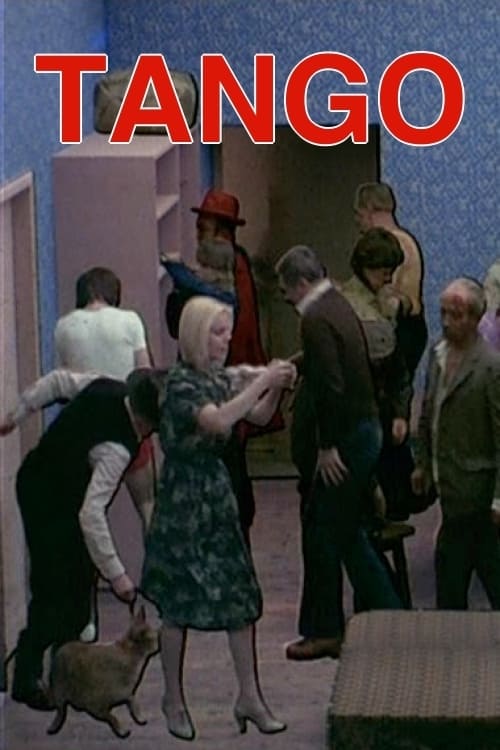
Tango is a formalist experiment that replaces character-driven stories with a study of repetition. By removing social roles, it avoids traditional stereotypes and hierarchies. The film achieves a moderate diversity score by showing a broad range of human forms without focusing on individual identities. Overall, it critiques the crowdedness of modern life through a postmodern, non-linear approach to human presence.
Category Breakdown
The film doesn't show same-sex relationships or non-cisgender identities. Characters are used more as part of the rhythm and composition rather than being defined by their sexual orientation.
Both men and women are shown doing similar tasks, which balances traditional gender roles and avoids hierarchical differences between genders.
The film features a range of appearances and ages, from young children to older adults. Though specific ethnicities aren't mentioned, the variety of people suggests a diverse cast.
It focuses on abstract, non-linear experiences rather than traditional moral frameworks. The film avoids promoting specific religious or national values by emphasizing repetitive actions.
There are no specific disabilities shown. However, the film looks at physical limitations and rhythmic constraints through repetitive movements.
Present on Screen
Limited or Absent
Official Synopsis
A static camera observes a room as it slowly fills with thirty-six characters from different stages of life, looping further through an absurd dance of social disconnection as each character moves in.
1980

1985
1968
1974

1957
1958
1975
1984
No reviews yet. Be the first to share your thoughts on this movie!
Use the rating form above to leave a star rating and optional review.