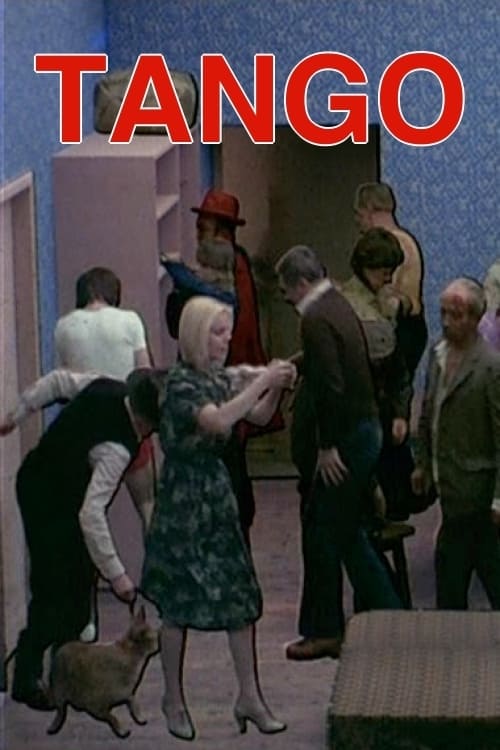
Tango
1985
No user ratings available yet
Representation score: 5.2 out of 10

Representation Score
Limited
1975
Director
Zbigniew Rybczyński
Runtime
10 minutes
Average Rating
No ratings yetNew Showbiz Analysis
Holiday is an experimental animation that prioritizes symbolic subversion over demographic inclusion. It uses rhythmic editing and grotesque staging to deconstruct the intersection of folk tradition and state power. The film critiques how institutional authority attempts to choreograph human celebration. By intercutting political speeches with traditional toasts, it exposes the performative nature of the PZPR apparatus. While the work lacks diverse identity-based representation, it offers a sophisticated intellectual engagement with systemic control and the hierarchy of the state.
Category Breakdown
The film focuses on collective industrial and political rituals. There are no LGBTQ+ characters or narratives addressing non-straight identities.
Gender roles are defined by the 1970s Polish industrial landscape. The staging suggests a hierarchy where male-dominated managerial roles dictate the rhythm of the working class.
The film depicts a culturally homogeneous environment consistent with 1975 Poland. It focuses on national identity through folk traditions rather than multi-ethnic casting.
The film excels in critiquing institutional structures. It juxtaposes genuine folk traditions with the performative, top-down imposition of state-mandated political rituals.
There are no specific depictions of visible or invisible disabilities within the documented sequences.
Present on Screen
Limited or Absent
Official Synopsis
Film unfolds in five sequences, each depicting a facet of Barbórka celebrations—from the miners’ orchestra wake-up call and the medal-awarding academy through evening feasting and dancing. Folk traditions mingle with party-state rituals as speeches for the PZPR Congress intercut candlelit toasts. In the opening mining-orchestra segment, dynamic editing syncs shot length to the music’s tempo, while grotesque staging casts engineers as conductors and workers’ movements as instrumental solos.
1985
1981
1972
1928

1971
1967
2000

1980
No reviews yet. Be the first to share your thoughts on this movie!
Use the rating form above to leave a star rating and optional review.