Abstronic
1952
No user ratings available yet
Representation score: 3.3 out of 10
Representation Score
Limited
1958
Director
Len Lye
Runtime
5 minutes
Average Rating
No ratings yetNew Showbiz Analysis
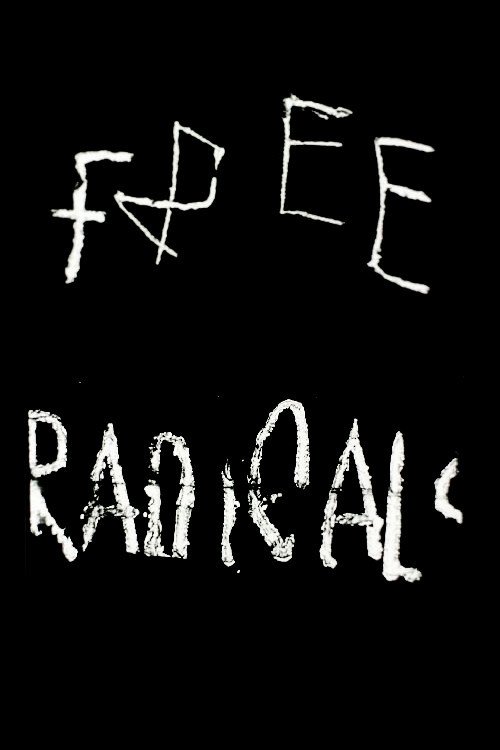
Free Radicals is a groundbreaking work of experimental abstraction that operates through sensory disruption rather than character-driven storytelling. Since the film relies on kinetic, tactile scratches on film leader, it doesn't provide traditional identity-based metrics like gender or LGBTQ+ representation. However, the film achieves cultural subversion through its sonic landscape. By using African drum music to drive the visual experience, it breaks away from the Western classical traditions often prioritized in mid-century avant-garde cinema. Ultimately, the film's significance lies in its rejection of polished, industrial Western production standards, favoring a raw, non-conformist aesthetic that challenges conventional cinematic consumption.
Category Breakdown
The film is an abstract animation made up of rhythmic scratches on film leader. It doesn't show any characters or have dialogue, so there's no indication of sexual identity.
Since it's purely abstract, the film doesn't deal with gendered clichés or social hierarchies. It focuses solely on form and sound.
The film centers around African drum music, which drives the visual experience. This use of non-Western rhythms breaks away from the Eurocentric dominance common in mid-century experimental cinema.
By prioritizing sensory experience over didactic storytelling, the film challenges Western cinematic norms. The use of African percussion suggests a break from Western musical dominance.
This is an exploration of pure form and sound. The film contains no depictions of human subjects or neurodivergent and physical characteristics.
Present on Screen
Limited or Absent
Official Synopsis
In this powerful abstract film with a soundtrack of African drum music, Lye scratched "white ziggle-zag-splutter scratches" on to black leather, using a variety of tools from saw teeth to arrow heads. The first version of the film won a major award at the International Experimental Film Festival Held in Brussels in 1958 in association with the World's Fair. Stan Brakhage described the film as "an almost unbelievably immense masterpiece".
1952
1955
1962
1949
1940
1946
1959
1980
No reviews yet. Be the first to share your thoughts on this movie!
Use the rating form above to leave a star rating and optional review.