What, Who, How
1957
No user ratings available yet
Representation score: 1.3 out of 10

Representation Score
Limited
1959
Director
Stan VanDerBeek
Runtime
6 minutes
Average Rating
No ratings yetNew Showbiz Analysis
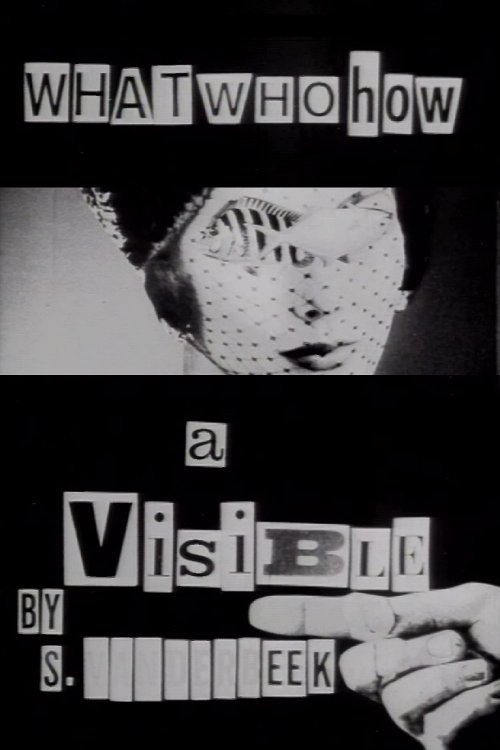
A La Mode is a formalist experiment that prioritizes kinetic, collage-based abstraction over character-driven narrative. Because it functions through non-linear montage rather than dialogue, traditional metrics of representation like ability to act or interpersonal identity are largely inapplicable. The film's strength lies in its subversion of mid-century commercial clichés. By deconstructing fashion imagery, it disrupts the polished, idealized presentation of gender and beauty typically found in 1950s media. However, the work remains tethered to the era's demographic norms. By utilizing fashion magazine clippings from 1959, the film inherits the Eurocentric beauty standards and lack of diversity inherent in its source material.
Category Breakdown
The film does not explicitly depict LGBTQ+ identities or romantic orientations. It maintains a neutral stance, avoiding both queer narratives and derogatory clichés through its abstract collage format.
Fashion magazine clippings center the female form and gendered aesthetics. However, the surrealist deconstruction treats the body as a fragmented aesthetic object rather than a tool for traditional domesticity.
The visual palette likely reflects the Eurocentric beauty standards prevalent in 1959 Western print media. The work appears to mirror the demographic homogeneity of its mid-century source material.
The film rejects singular religious or patriotic ideals in favor of a subjective, sensory experience. Its use of sound collage and abstraction prioritizes postmodernism over traditional storytelling.
The abstract nature of the collage format does not provide a framework for depicting physical or neurodivergent ability to act.
Present on Screen
Limited or Absent
Official Synopsis
A short surreal animation created with fashion magazine clippings and sound collages.
1957
1962

1959
1963
1956
1958
1966

1971
No reviews yet. Be the first to share your thoughts on this movie!
Use the rating form above to leave a star rating and optional review.