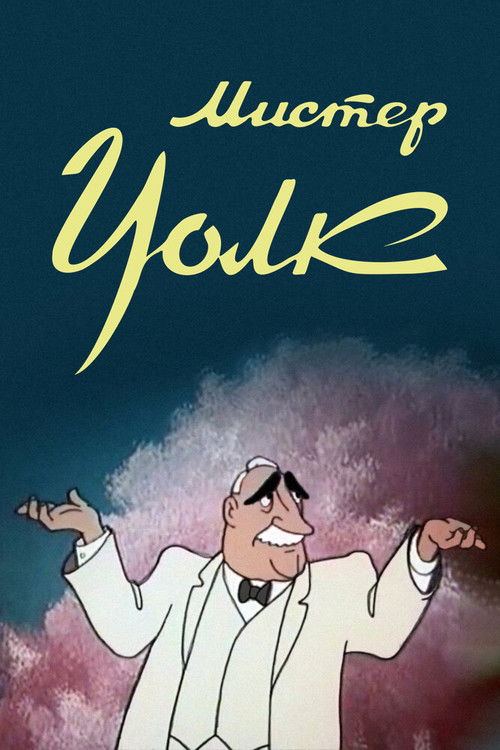
Mister Wolf
1949
No user ratings available yet
Representation score: 4.4 out of 10
Representation Score
Limited
1948
Director
Mikhail Tsekhanovskiy
Runtime
20 minutes
Average Rating
No ratings yetNew Showbiz Analysis
The film functions as a traditional, character-driven fable inspired by folk storytelling. It relies heavily on established archetypes of childhood and elderhood to advance the plot. While the film does not actively challenge social hierarchies or engage in identity-based political discourse, it offers a specific cultural framework centered on the restorative power of familial bonds. Ultimately, the representation remains conventional for its time, focusing on a narrow demographic and traditional social roles.
Category Breakdown
The film focuses on a young girl and her grandmother, with no representation of LGBTQ+ identities or challenges to heteronormativity.
The story is driven by a female protagonist and a female elder, who embody traditional nurturing roles rather than subverting gender hierarchies.
The film reflects a localized, homogeneous cultural setting typical of the Soviet era, with no specific details provided about ethnic makeup or character design.
The narrative employs a folklore framework emphasizing intergenerational connections and magical realism, prioritizing communal storytelling over individualistic or institutional structures.
The film does not include any characters with visible or invisible disabilities.
Present on Screen
Limited or Absent
Official Synopsis
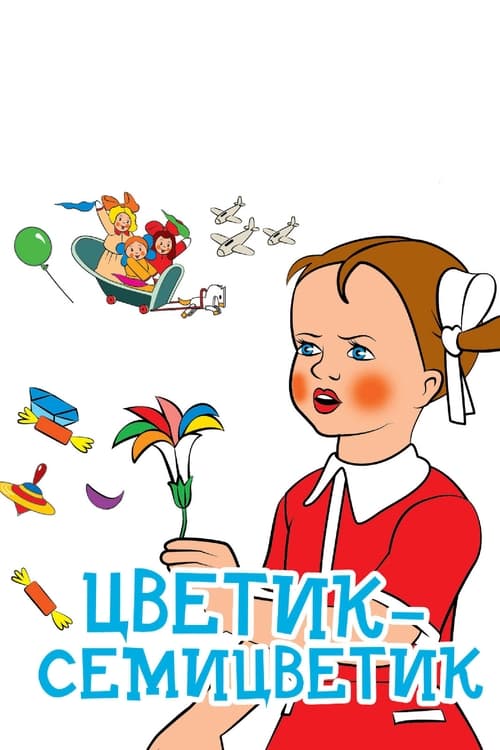
A little girl is walking around the city with a bunch of bagels. All the bagels are eaten by a dog that follows her while the little girl was looking around. The girl is upset, but she is comforted by her grandmother, who gives her a magic flower that grants wishes...
1949

1955
1965
1963
1984
1933
1984
1984
No reviews yet. Be the first to share your thoughts on this movie!
Use the rating form above to leave a star rating and optional review.