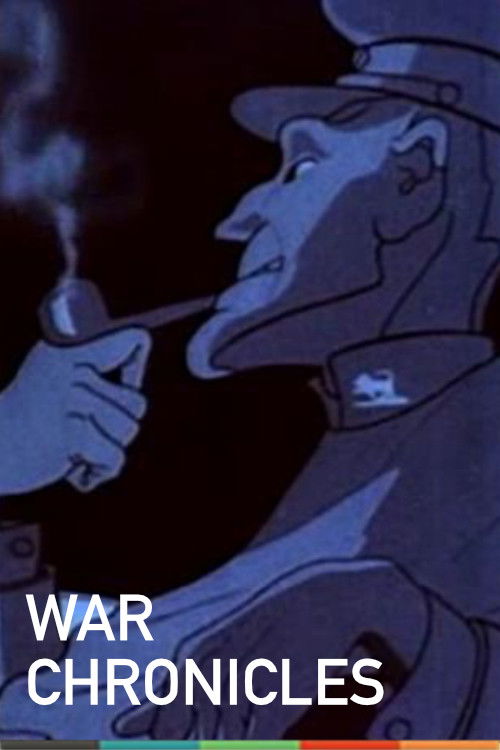
War Chronicles
1939
No user ratings available yet
Representation score: 4.0 out of 10
Representation Score
Limited
1927
Director
Nikolai Khodataev
Runtime
3 minutes
Average Rating
No ratings yetNew Showbiz Analysis
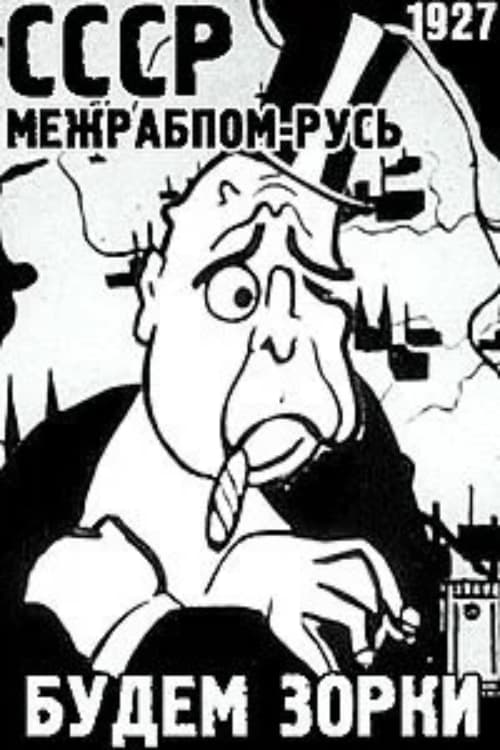
Nikolai Khodataev’s short is a sophisticated piece of early Soviet propaganda that blends animation and newsreel footage. It primarily serves as a critique of global power dynamics rather than a study of individual identity. The film successfully challenges the perceived moral and economic superiority of Western institutions by framing the British trade embargo as a systemic antagonist. This approach allows for a metaphorical representation of nations that challenges established hierarchies. However, the film lacks representation regarding LGBTQ+ identities and disability. Its focus on macroeconomic struggle and the worker archetype limits its exploration of diverse personal identities.
Category Breakdown
The film does not include any LGBTQ+ characters or stories that go beyond the assumption that everyone is straight or cisgender. Its main focus is on geopolitical conflicts.
The narrative emphasizes nationalistic and economic duties. It may reinforce traditional gender roles through the portrayal of workers.
The film uses a clash of nations framework to position Western powers as antagonists, disrupting traditional Anglo-centric views of global power.
The work effectively critiques Western institutional power by portraying international trade institutions as predatory and corrupt. It highlights the importance of collective economic survival over individualist capitalism.
There are no characters with visible or invisible disabilities in this animation.
Present on Screen
Limited or Absent
Official Synopsis
Billed as "a cinema-propaganda poster," this 1927 short advocates the purchase of government bonds as a means to combat a British trade embargo. Its dynamic interpolation of newsreel footage and animation is a good deal more radical than its political message.
1939
1939
1933
1941

1914
1925
1942

1941
No reviews yet. Be the first to share your thoughts on this movie!
Use the rating form above to leave a star rating and optional review.