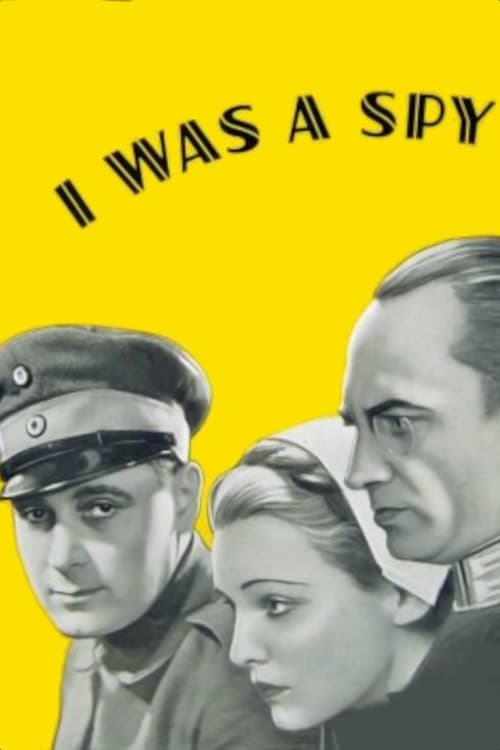
I Was a Spy
1933
No user ratings available yet
Representation score: 3.1 out of 10
Representation Score
Minimal
1927
NRDirector
Mauritz Stiller
Runtime
85 minutes
Average Rating
No ratings yetNew Showbiz Analysis
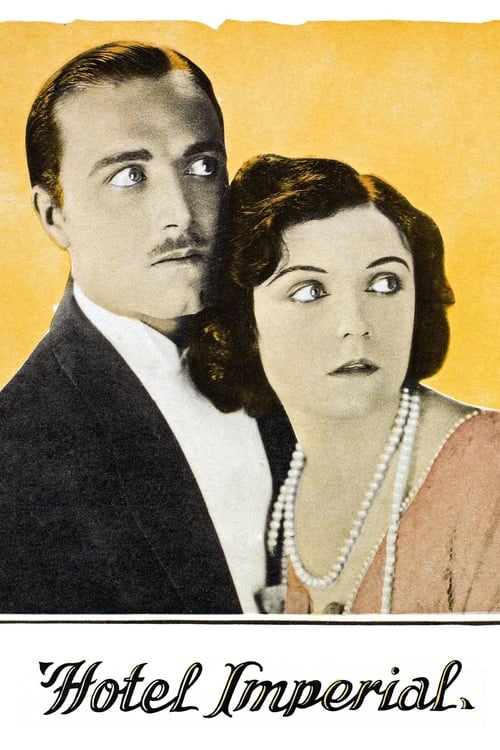
Hotel Imperial is a classical melodrama that prioritizes romantic tension and established social hierarchies. It functions as a star-driven vehicle that adheres to the traditionalist norms of 1920s European cinema. The film reinforces the assumption that everyone is straight or cisgender and conventional gendered power imbalances, particularly through the dominance of the Russian general. It lacks any engagement with the way different parts of someone's identity overlap or systemic subversion. Ultimately, the work upholds the social and romantic structures of its time rather than challenging them, resulting in a narrow demographic focus.
Category Breakdown
The film follows a strictly heterosexual romantic structure. The plot centers on a traditional courtship between an Austrian officer and a chambermaid, with no queer subtext present.
While Greta Garbo provides a central female performance, the power dynamics remain traditional. The female lead's role is limited to romantic choices and protecting the officer.
The cast and setting are overwhelmingly homogenous, reflecting a white, European social stratum. The story focuses exclusively on Austro-Hungarian and Russian social orders.
The narrative reinforces high-society European institutions and class distinctions. It prioritizes romantic honor and social status rather than critiquing Western institutions or religious frameworks.
There are no prominent depictions of physical or neurodivergent disabilities. Characters are presented through idealized cinematic archetypes common to the silent era.
Present on Screen
Limited or Absent
Official Synopsis
During World War I, an Austrian officer is trapped behind the Russian lines. He tries to sneak through to his own lines, but is forced to take refuge in a small hotel, where he is hidden by the establishment's chambermaid. The two fall in love, but a Russian general makes the hotel his headquarters and sets his sights on the maid. In addition, the Austrian must find out the identity of a spy who is feeding the Russians military information that could lead to the destruction of the Austrian army.
1933

1952
1930
1939
1931
1927
1934
1935
No reviews yet. Be the first to share your thoughts on this movie!
Use the rating form above to leave a star rating and optional review.