Hearts of the World
1918
No user ratings available yet
Representation score: 0.5 out of 10
Representation Score
Limited
1934
Director
Ludwig Schmid-Wildy, Hans Zöberlein
Runtime
118 minutes
Average Rating
No ratings yetNew Showbiz Analysis
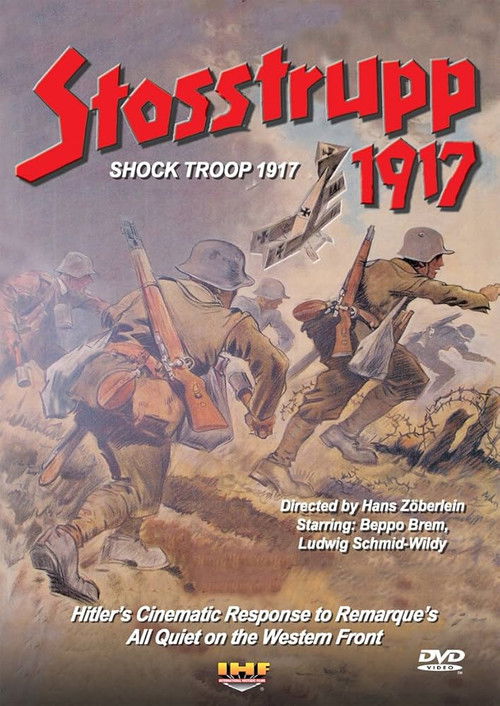
Shock Troop (1934) functions as a traditional period drama that prioritizes the human cost of World War I. While it successfully challenges the glorification of combat by focusing on the plight of soldiers, it does so through a very narrow lens. The film operates within a highly conventional framework, lacking diversity in gender, race, and identity, sticking to the demographic norms of its era and setting. Ultimately, the film's strength lies in its anti-war sentiment rather than its social representation. It challenges military romanticism without disrupting established social hierarchies.
Category Breakdown
The film does not include any LGBTQ+ characters or narratives that challenge straight-centered assumptions. It adheres to the strict social norms of the early 20th century.
The story centers on a male military unit, reinforcing traditional masculine hierarchies. It offers almost no opportunities for women to take active roles or challenge gender norms.
The narrative focuses on a homogeneous German unit within a European combat setting. There is no evidence of diverse ethnic representation or multi-layered casting.
The anti-war stance provides some moral complexity by critiquing patriotic clichés. However, it remains rooted in a traditional Western framework of European drama.
Physical trauma appears to be used as a standard plot device to highlight the tragedy of war. There is no nuanced exploration of disability or neurodivergence.
Present on Screen
Limited or Absent
Official Synopsis
This powerful anti-war film statement focuses on the plight of a German unit in World War I that finds itself surrounded by British and French forces.
1918

2017

1932

1930

1936
1930

1943
1925
No reviews yet. Be the first to share your thoughts on this movie!
Use the rating form above to leave a star rating and optional review.