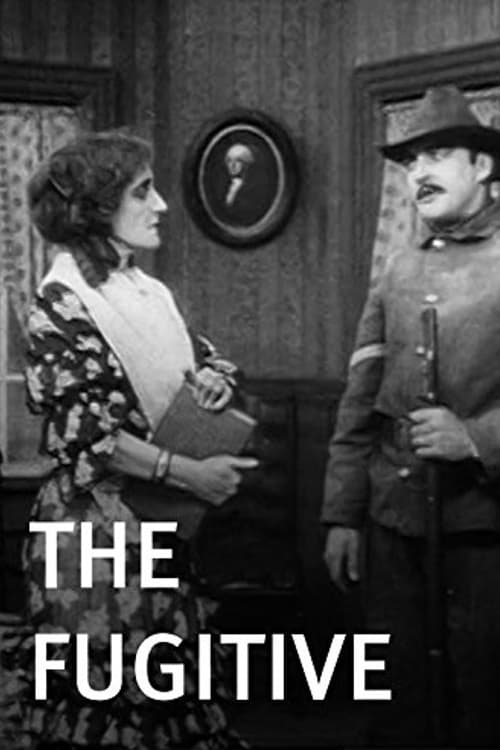
The Fugitive
1910
No user ratings available yet
Representation score: 0.5 out of 10
Representation Score
Minimal
1910
Not RatedDirector
D.W. Griffith
Runtime
16 minutes
Average Rating
No ratings yetNew Showbiz Analysis
D.W. Griffith's early works often reinforce traditional Victorian morals and social hierarchies rather than challenging them. While there is a moment where gender roles are reversed, it ultimately serves to uphold the importance of family reputation and social conformity. The narrative lacks complexity in addressing multiple aspects of identity and does not offer a critique of systemic issues. Instead, it functions as a moral drama centered around the consequences of deviating from societal norms during the Civil War era.
Category Breakdown
The film does not include any characters who identify as LGBTQ+. It focuses solely on heterosexual and cisgender roles.
A woman takes on a traditionally male role to protect her brother, but this is portrayed as a heroic sacrifice rather than a challenge to gender norms. The male character's cowardice is shown as a source of shame.
The cast and setting seem homogeneous, reflecting the typical casting practices of the time. There is no indication of racial or ethnic diversity in the story.
The story emphasizes Western values related to honor and family secrecy. It highlights the importance of maintaining the sanctity of the home and fulfilling social duties.
There are no specific depictions of physical or neurodivergent disabilities in the film.
Present on Screen
Limited or Absent
Official Synopsis
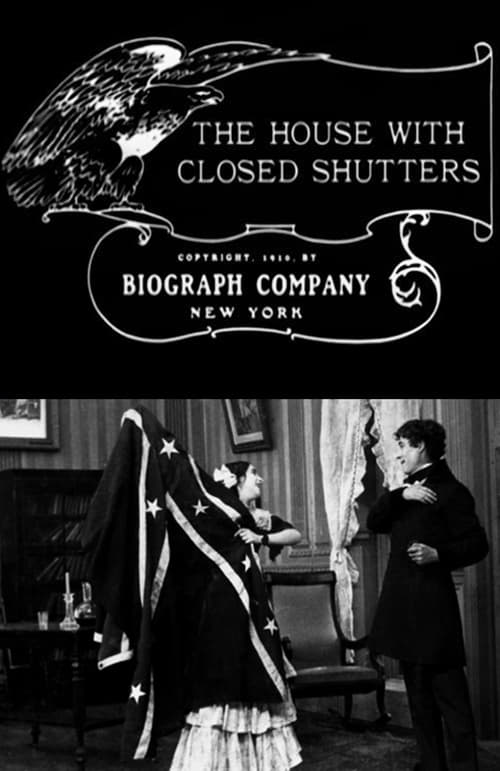
During the Civil War a young soldier loses his nerve in battle and runs away to his home to hide; his sister puts on his uniform, takes her brother's place in the battle, and is killed. Their mother, not wanting the shameful truth to become known, closes all the shutters (hence the film's title) and keeps her son's presence a secret for many years, though two boyhood chums stumble upon the truth...
1910
1910
1911
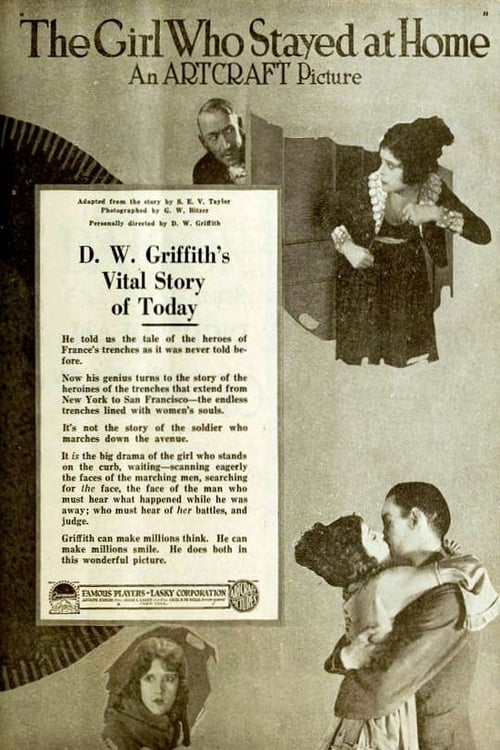
1919
1911

2020
1899

1918
No reviews yet. Be the first to share your thoughts on this movie!
Use the rating form above to leave a star rating and optional review.