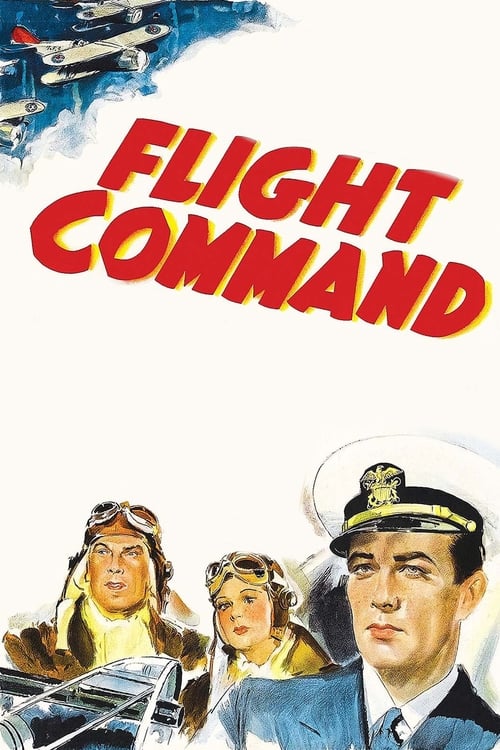
Flight Command
1940
No user ratings available yet
Diversity score: 1.9 out of 10
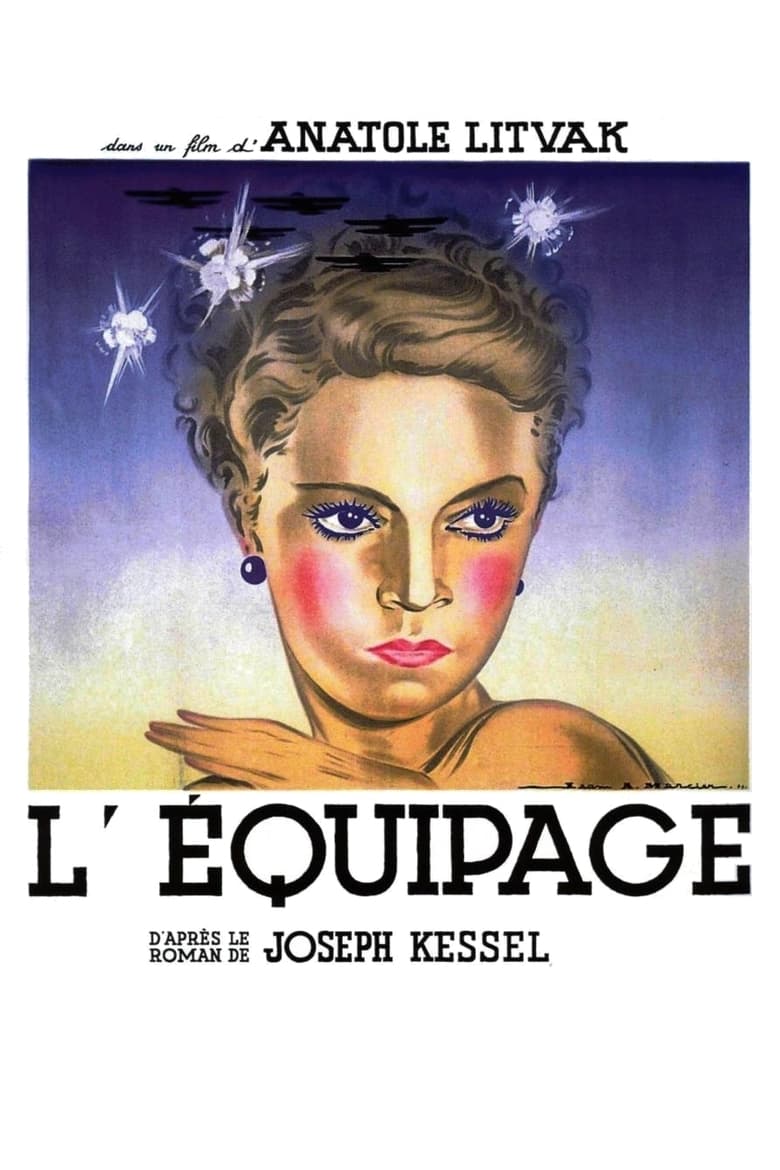
1935
Director
Anatole Litvak
Runtime
111 minutes
Average Rating
No ratings yetSynopsis
During the First World War, before joining a squadron at the front in 1918, Herbillon (Jean-Pierre Aumont) has a liaison with Helene (Annabella), a married woman. The young man discovers that his mistress is none other than the wife of Maury (Charles Vanel), an aviator friend.
Overall Score
Limited
Category Breakdown
LGBTQ+ Representation
The film centers on an extramarital affair rather than LGBTQ+ identities. It explores non-traditional romantic structures through infidelity but lacks non-heteronormative gender expressions.
Gender Representation
Helene displays agency by engaging in a liaison outside her marriage. However, characters largely operate within the established patriarchal social roles of the 1930s.
Racial & Ethnic Diversity
The cast appears ethnically homogeneous, focusing on a localized Western European social circle. There is no evidence of a multi-ethnic ensemble.
Religious & Cultural Diversity
The narrative explores situational ethics and moral ambiguity through wartime loyalty. It remains deeply embedded in traditional Western wartime experiences.
Disability Representation
There is no evidence of characters with visible or invisible disabilities driving the narrative or serving as central figures.
Strengths
Areas for Improvement
AI Analysis
Flight Into Darkness is a period drama that prioritizes interpersonal conflict and wartime tension over social representation. While it avoids rigid moralism by exploring the complexities of infidelity, it does not actively deconstruct identity-based hierarchies. The film's focus remains on a localized, Western European social circle, resulting in a lack of racial and ethnic diversity. The narrative structure follows the dramatic conventions of 1935, centering on traditional romantic transgressions rather than progressive identity politics. Ultimately, the work offers a study of moral ambiguity within a patriarchal framework. It provides a nuanced look at personal loyalty but lacks systemic representation of marginalized groups.
1940
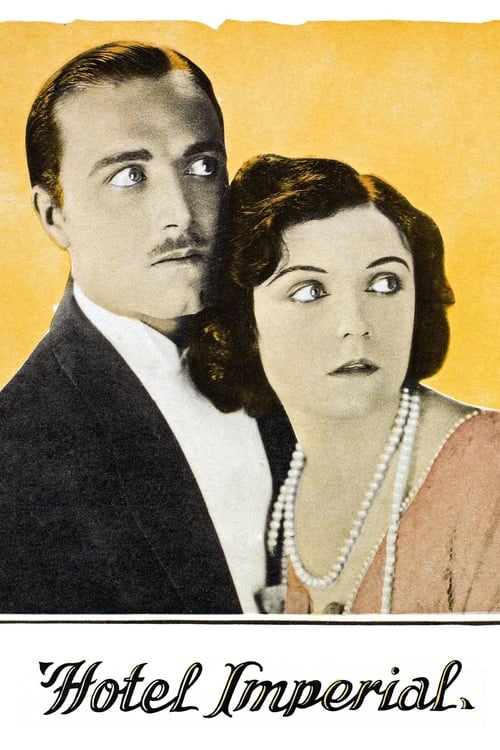
1927

1952
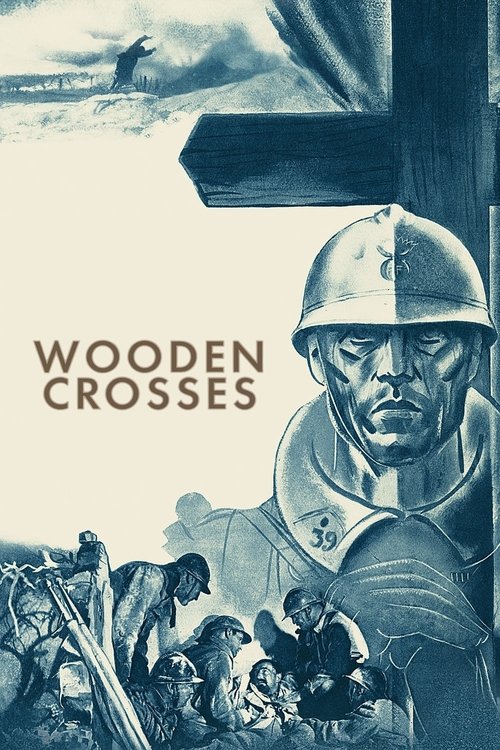
1932
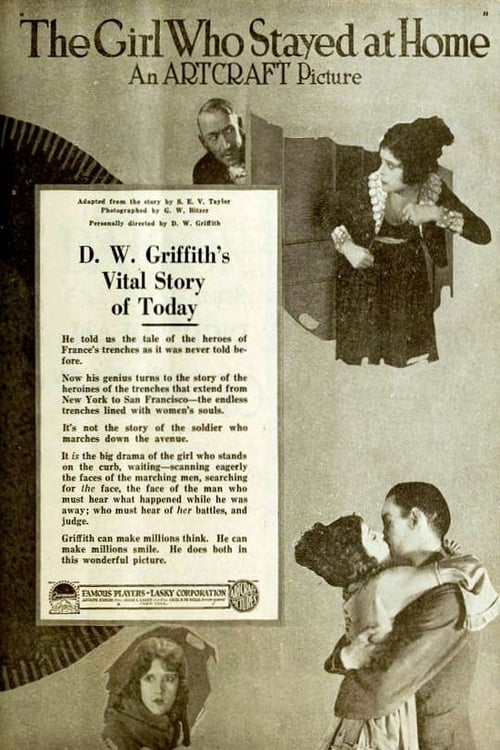
1919

1957
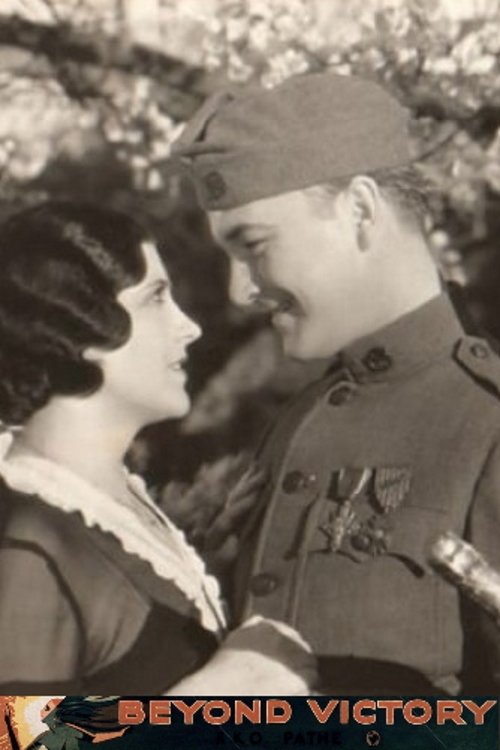
1931
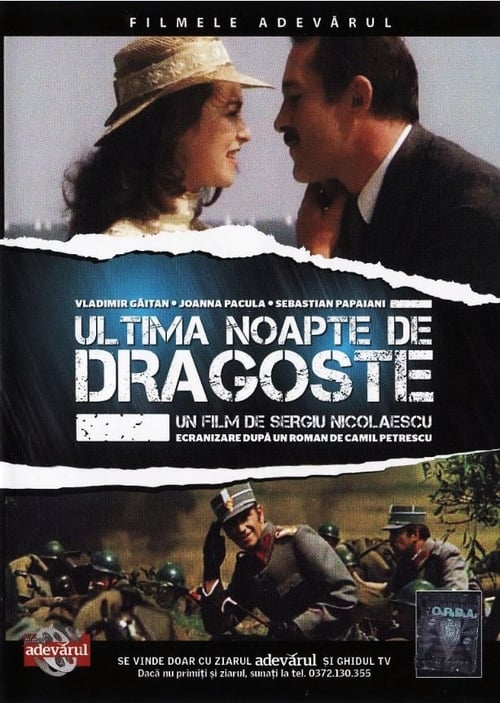
1980

1934
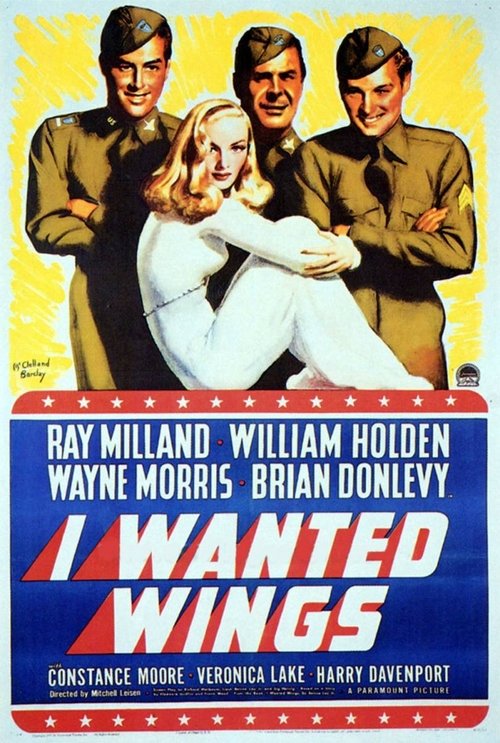
1941
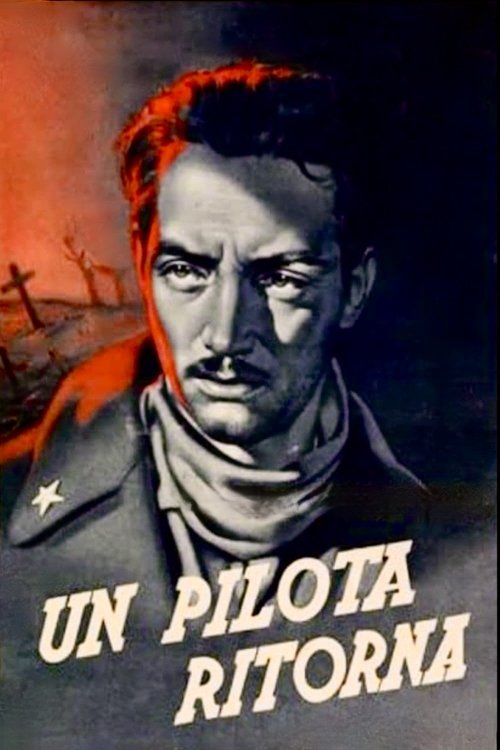
1942
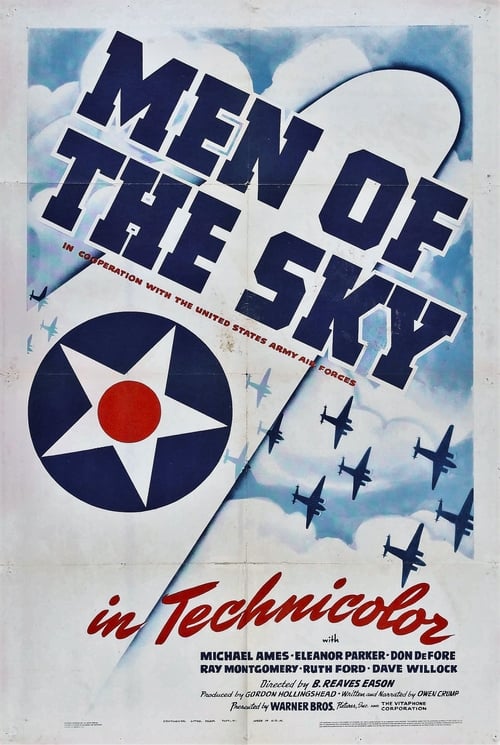
1942
No reviews yet. Be the first to share your thoughts on this movie!
Use the rating form above to leave a star rating and optional review.