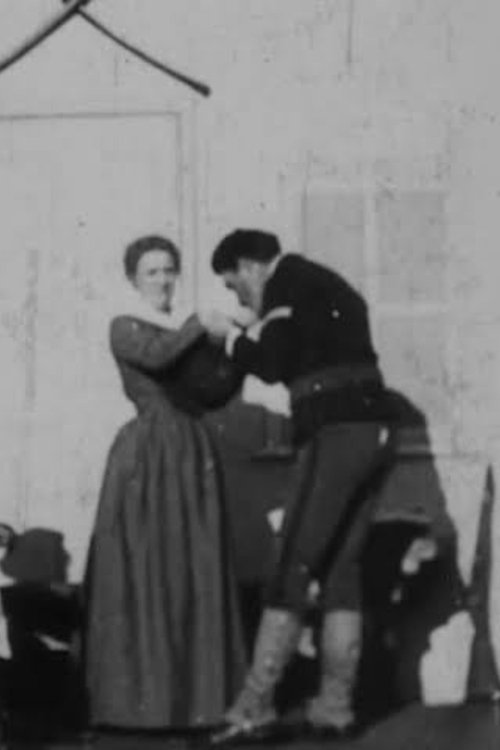
Love and War
1899
No user ratings available yet
Representation score: 1.0 out of 10
Representation Score
Minimal
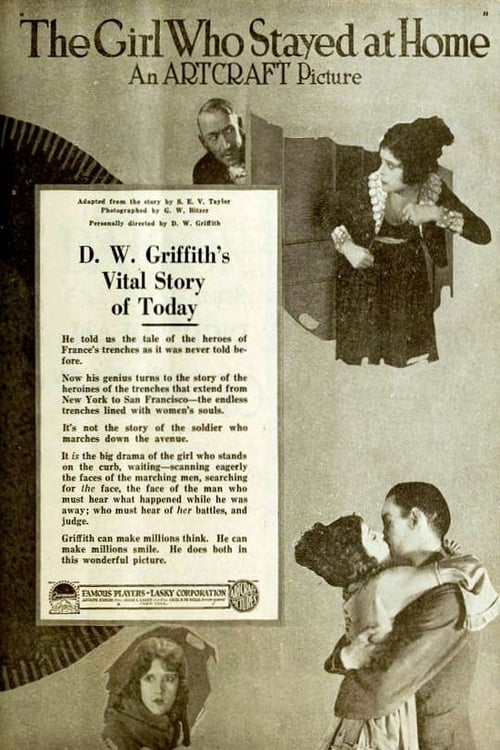
1919
PassedDirector
D.W. Griffith
Runtime
69 minutes
Average Rating
No ratings yetNew Showbiz Analysis
The film is a product of its era, heavily rooted in the conventional moral frameworks and social hierarchies of the early 20th century. Its narrative structure prioritizes traditional themes of wartime duty and romantic courtship, offering very little in the way of identity subversion. While the setting introduces international elements through a French nobleman, the scope remains narrow, focusing on Western social dynamics. The character roles reinforce strict gendered expectations, with men occupying the sphere of military action and women centered in domestic or romantic roles. Ultimately, the film functions as a reflection of standard historical social norms rather than a critique of them, providing minimal characters who reflect more than one aspect of diversity.
Category Breakdown
The film does not include any characters with non-straight or non-cisgender identities. The main storyline revolves around traditional romance between a male protagonist and a female lead.
Male characters drive the external plot through military service. The female lead is defined primarily by romantic relationships and domestic duties, reflecting early 20th-century gender roles.
The story features an American family and a French nobleman. However, the focus remains on Western European and American social dynamics without broader ethnic inclusion.
Themes of patriotism and familial duty dominate the narrative. The film prioritizes established Western social institutions like the military and traditional courtship.
There is no mention of characters navigating physical or neurodivergent disabilities within the narrative.
Present on Screen
Limited or Absent
Official Synopsis
Ralph Grey visits France with his shipbuilder father, and falls in love with Blossom, granddaughter of his father's friend, a Civil war veteran not reconciled with the Union. Blossom, however, is engaged to a French nobleman. When war breaks out, Ralph enlists, while his brother Jim, a heartbreaker, is drafted.
1899
1930
1918
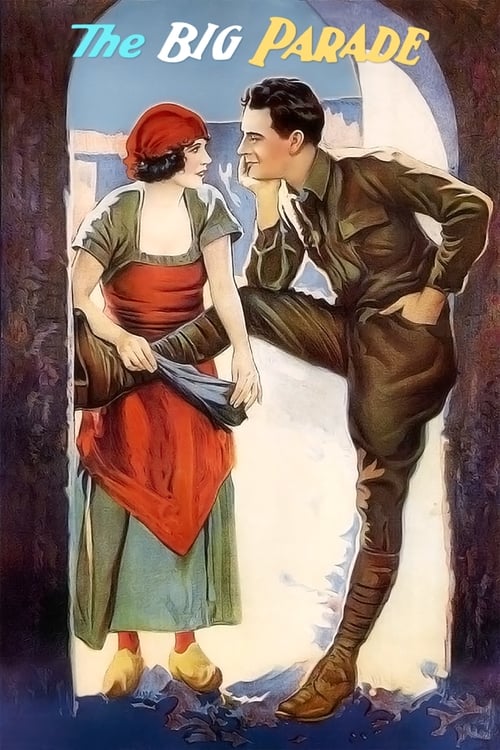
1925
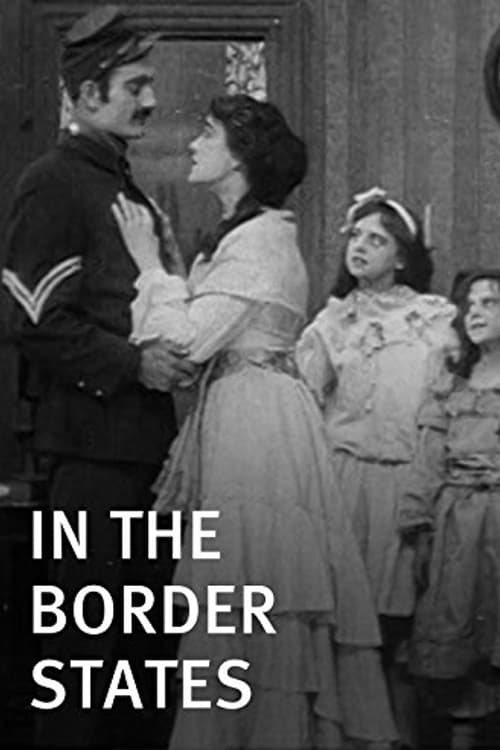
1910

1932
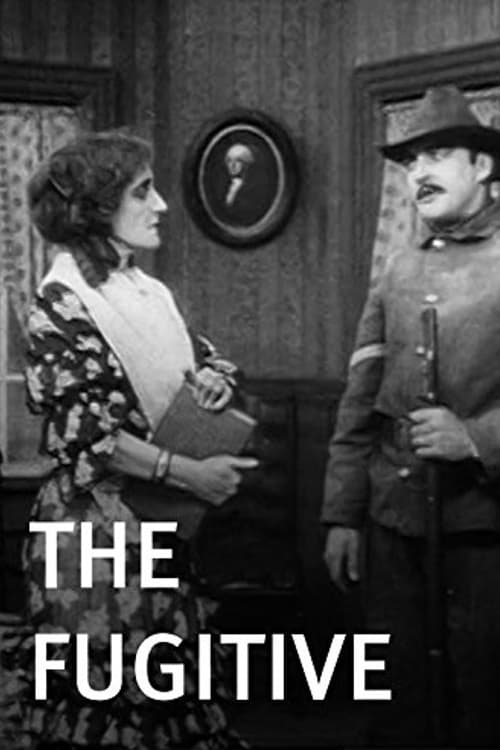
1910
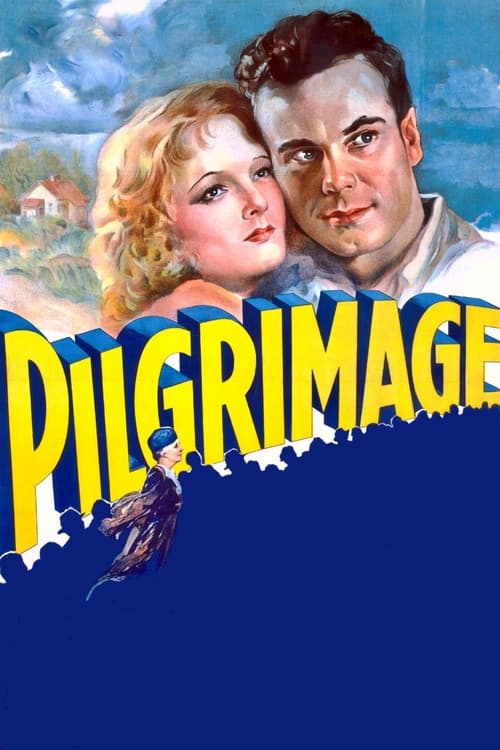
1933
No reviews yet. Be the first to share your thoughts on this movie!
Use the rating form above to leave a star rating and optional review.