Pleasure Treasure
1951
No user ratings available yet
Representation score: 0.5 out of 10

Representation Score
Minimal
1934
PassedDirector
William A. Seiter
Runtime
61 minutes
Average Rating
No ratings yetNew Showbiz Analysis
Love Birds is a classic product of the early studio system, designed for comedic escapism. It prioritizes established genre clichés and romantic resolutions over exploring the overlapping aspects of identity or systemic power dynamics. The film serves as a typical reflection of 1930s social constraints. While it offers minor challenges to traditional gender roles through comedic wit, it lacks the intention to disrupt traditional social hierarchies. Ultimately, the work reinforces the social stability of its era, focusing on individual romantic pursuits rather than engaging with broader social or systemic critiques.
Category Breakdown
The film focuses solely on heterosexual romance and reconciliation. It does not include narratives that challenge the assumption that everyone is straight or cisgender.
ZaSu Pitts brings energy to the story through her wit and comedic interactions. However, the narrative stays within traditional frameworks of marital reconciliation and conventional romantic resolutions.
The cast is predominantly made up of actors from similar backgrounds, typical of 1930s studio comedies. There is no significant racial diversity or representation of diverse identities driving the plot.
The narrative emphasizes domesticity and romantic comedy, avoiding critiques of Western institutions, capitalism, or organized religion.
There is no representation of physical or neurodivergent disabilities. Comedy comes from character quirks and situational mishaps rather than lived experiences of disability.
Present on Screen
Limited or Absent
Official Synopsis
ZaSu Pitts and Slim Summerville meet when both are sold deeds to an abandoned ranch in the California desert. Their lonely lives become much more crowded when a drifter discovers gold on the property—though all he’s found is Slim’s missing filling. (adapted from MoMA capsule)
1951

1934
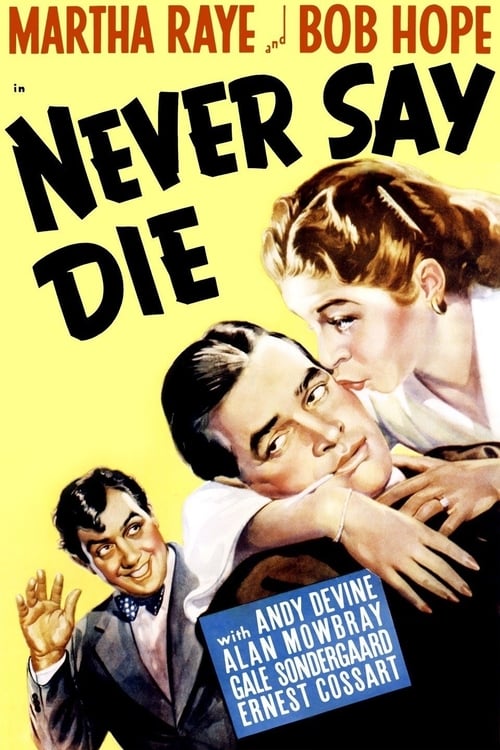
1939
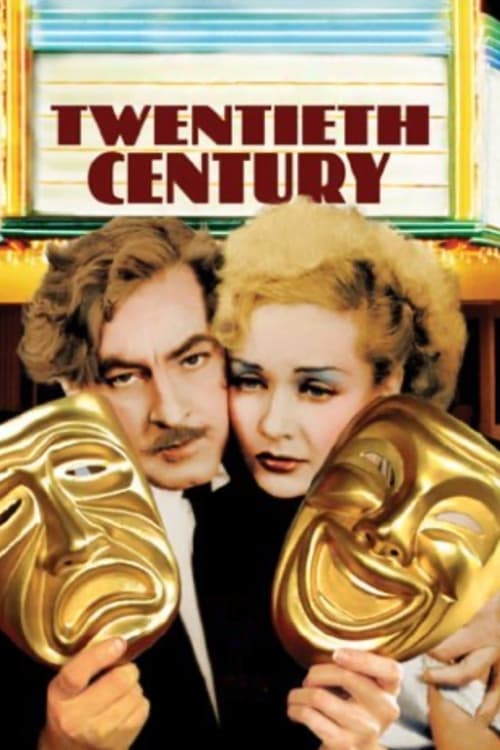
1934
1934
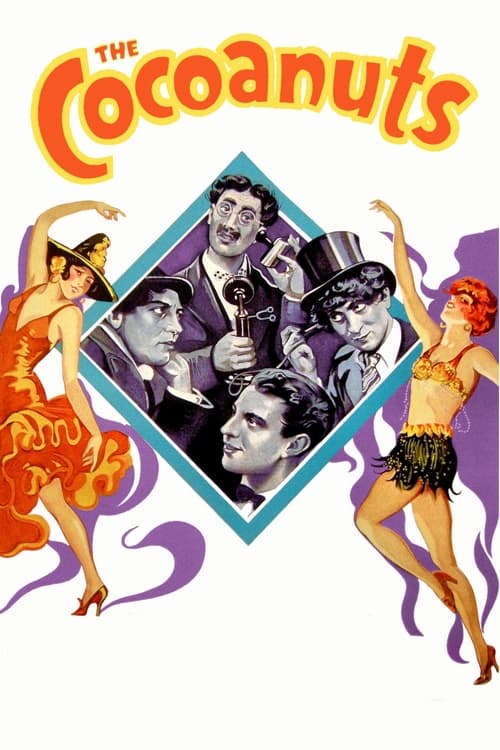
1929
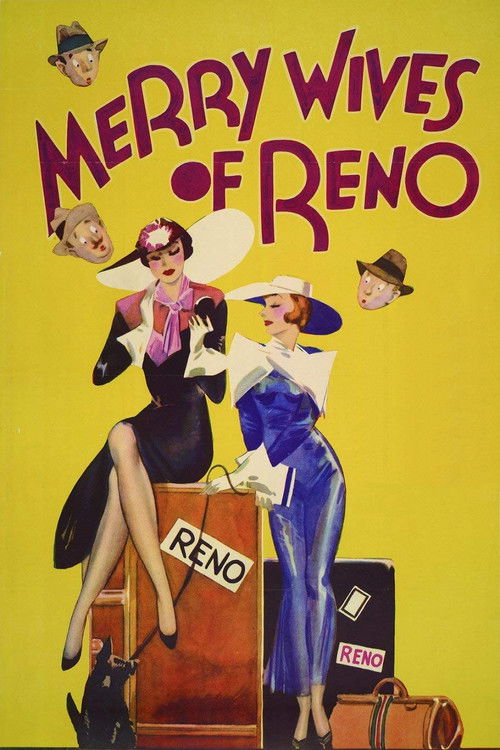
1934
1928
No reviews yet. Be the first to share your thoughts on this movie!
Use the rating form above to leave a star rating and optional review.