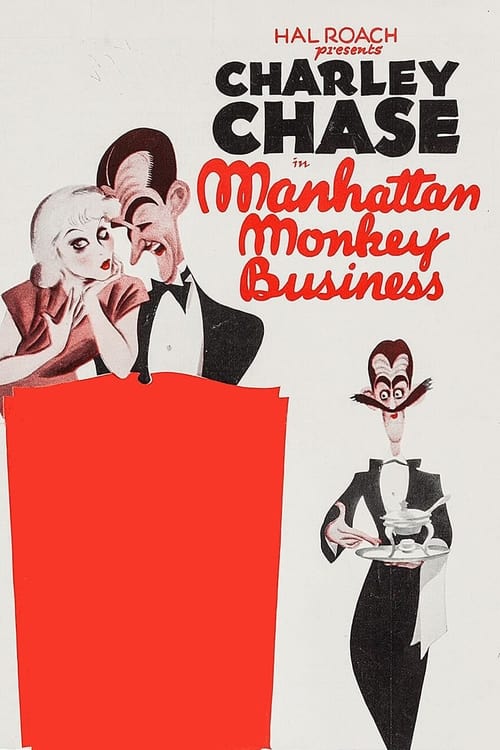
Manhattan Monkey Business
1935
No user ratings available yet
Representation score: 0.8 out of 10
Representation Score
Minimal
1928
Director
Edgar Kennedy
Runtime
18 minutes
Average Rating
No ratings yetNew Showbiz Analysis
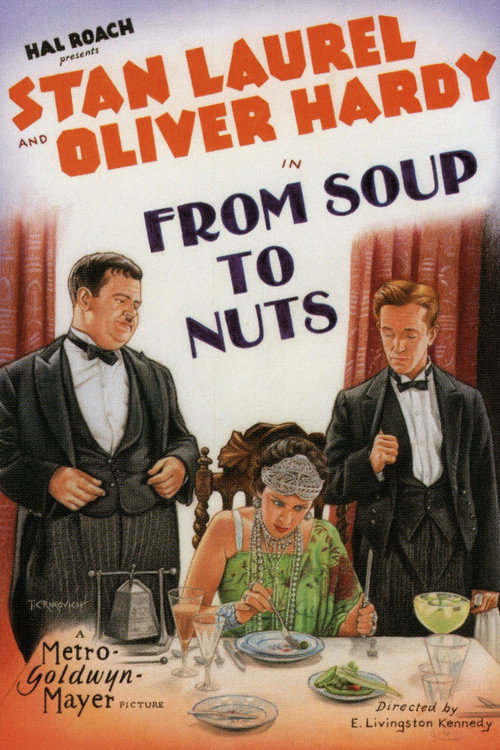
This 1928 short is a product of its time, emphasizing physical comedy over character development or social commentary. The narrative relies on the tension between working-class waiters and an upper-class setting to drive its slapstick humor. Since the film serves as a brief comedic piece, it lacks the complexity needed to engage with diverse identities. It adheres strictly to the social and cinematic constraints of the silent era, reinforcing traditional hierarchies.
Category Breakdown
The film does not include any representation of LGBTQ+ identities. The story focuses solely on physical comedy and mishaps within a silent-era slapstick framework.
Women are shown as secondary or static figures within a high-society setting. While the protagonists' incompetence challenges traditional masculine competence, the film does not address gender hierarchies.
The cast reflects the homogeneous society standards of the 1920s. The setting of a fancy dinner party suggests a traditional, exclusive social environment without diverse representation.
The story centers on the etiquette and class distinctions of a formal dinner party. It uses class friction for humor without deconstructing social institutions.
There are no characters with visible or invisible disabilities. The comedy relies on clumsiness as a slapstick cliché rather than a nuanced representation of disability.
Present on Screen
Limited or Absent
Official Synopsis
Inexperienced waiters (Laurel & Hardy) are hired for a swank dinner party.
1935
1926
1930

1928
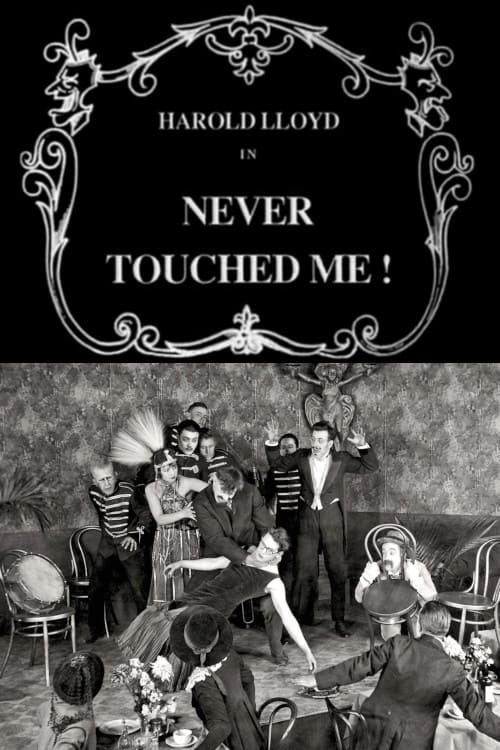
1919

1923
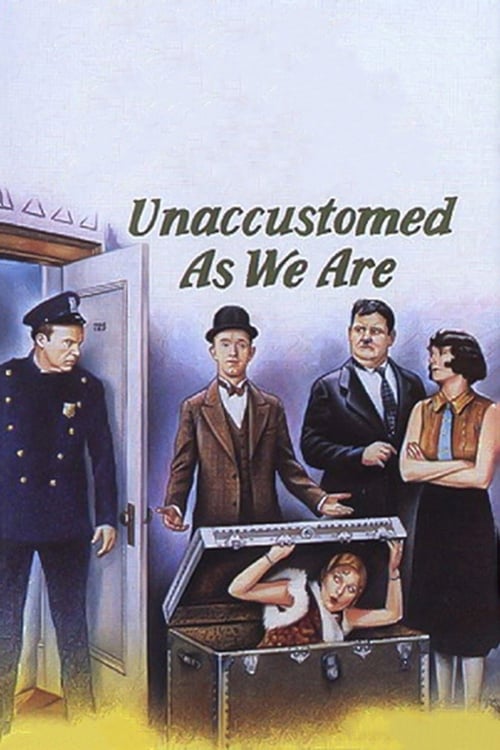
1929
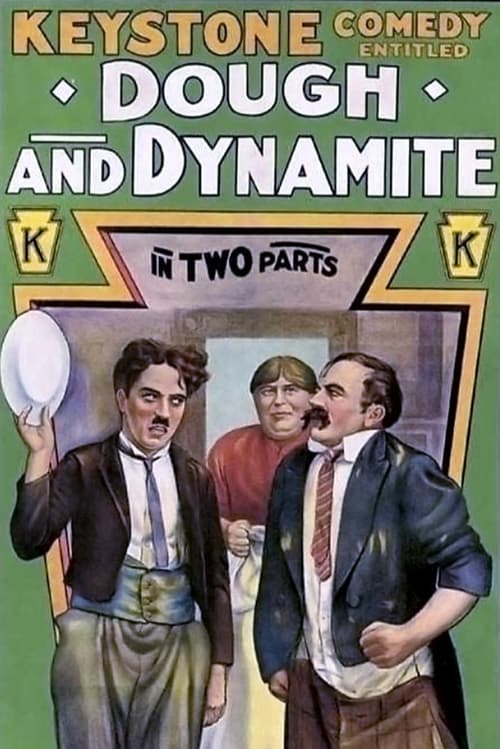
1914
No reviews yet. Be the first to share your thoughts on this movie!
Use the rating form above to leave a star rating and optional review.