Six of a Kind
1934
No user ratings available yet
Diversity score: 1.3 out of 10
1929
NRDirector
Leo McCarey
Runtime
20 minutes
Average Rating
No ratings yetSynopsis
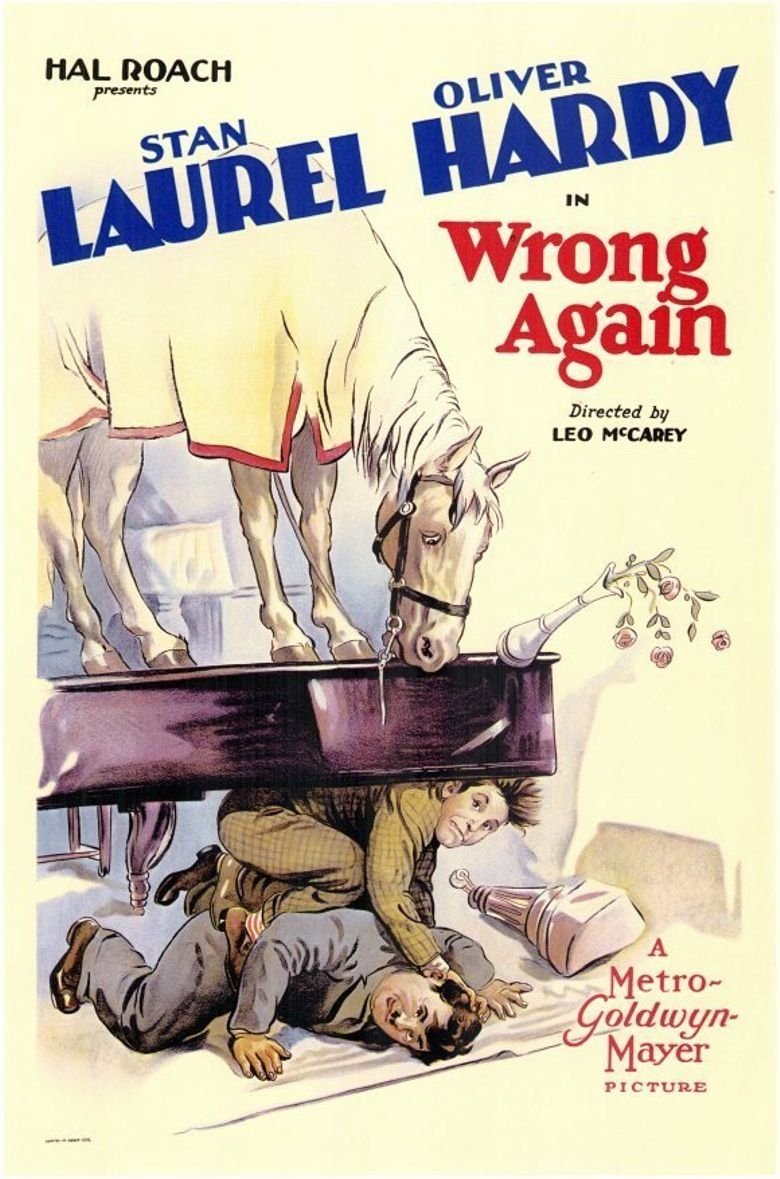
Stable hands Stan and Ollie are tending a thoroughbred named "Blue Boy." But when they overhear two men talking about a $5000 reward for the return of the stolen "Blue Boy," they miss the part about it being the painting, not the horse. They take the horse to the owner's house to claim the reward. The owner instructs them to put "Blue Boy" on the piano and Ollie explains, "these millionaires are peculiar."
Overall Score
Minimal
Category Breakdown
LGBTQ+ Representation
The film lacks any evidence of LGBTQ+ characters or non-cisnormative identities. It adheres to the standard comedic tropes of the early sound era.
Gender Representation
The narrative centers almost exclusively on the male comedic duo of Stan and Ollie. Women do not appear to demonstrate agency or intellectual presence in the story.
Racial & Ethnic Diversity
The setting and characters reflect the homogeneous demographic norms of 1929 American cinema. There is no indication of racial blending or diverse casting.
Religious & Cultural Diversity
Humor is derived from class friction between stable hands and millionaires. The film reinforces traditional social hierarchies through situational misunderstandings rather than critiquing them.
Disability Representation
There is no evidence of characters with visible or invisible disabilities. The film does not feature neurodivergent representation.
Strengths
Areas for Improvement
AI Analysis
Wrong Again is a period-specific comedy of errors that prioritizes slapstick and class-based misunderstandings over social representation. The plot focuses on the confusion between a horse and a painting, centering the experience on a male duo. Because the film was produced in 1929, it reflects the era's narrow demographic focus. The narrative lacks diversity in gender, race, and identity, functioning within a very traditional social framework. Ultimately, the film serves as a snapshot of early cinematic comedy, where the humor relies on social cues and class distinctions rather than inclusive storytelling.
1934
1929
1949
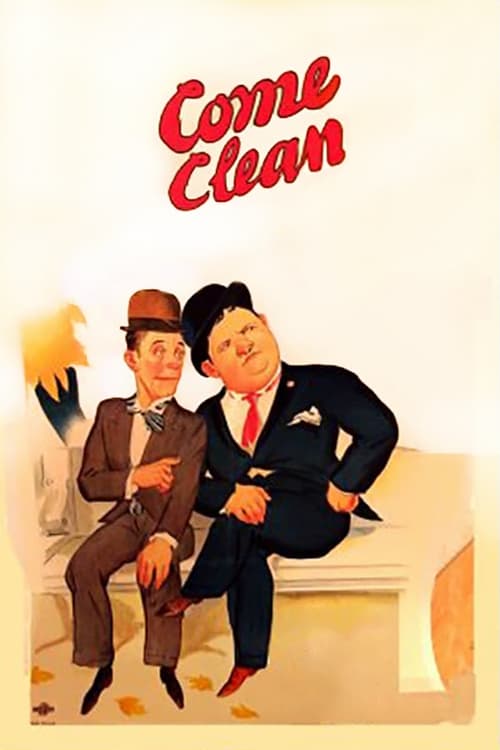
1931
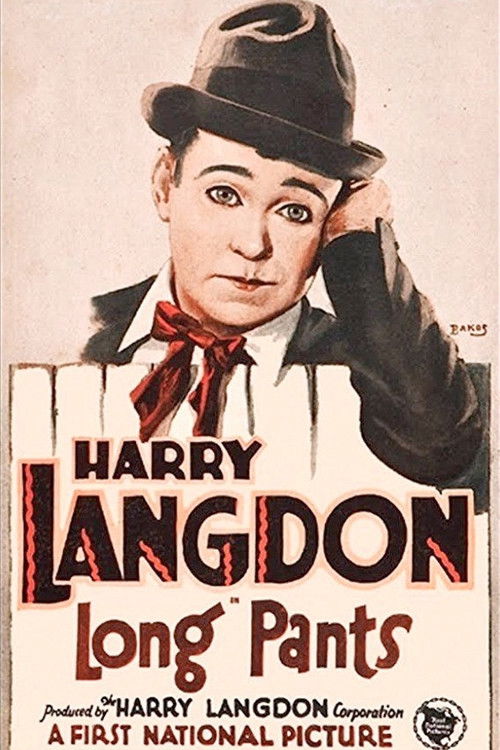
1927
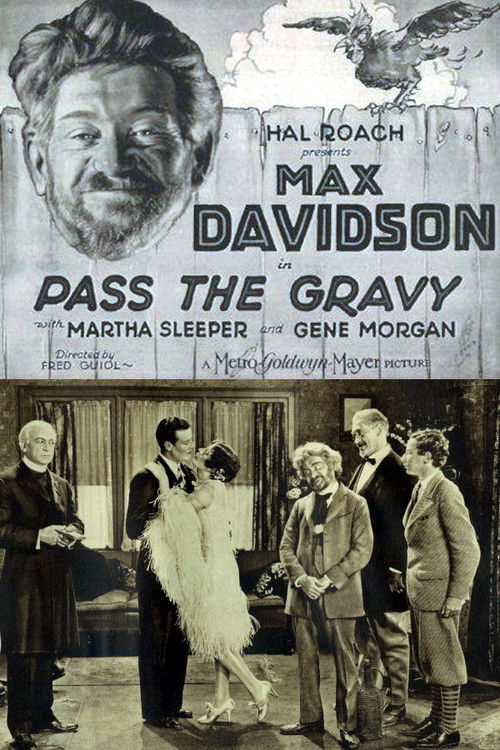
1928
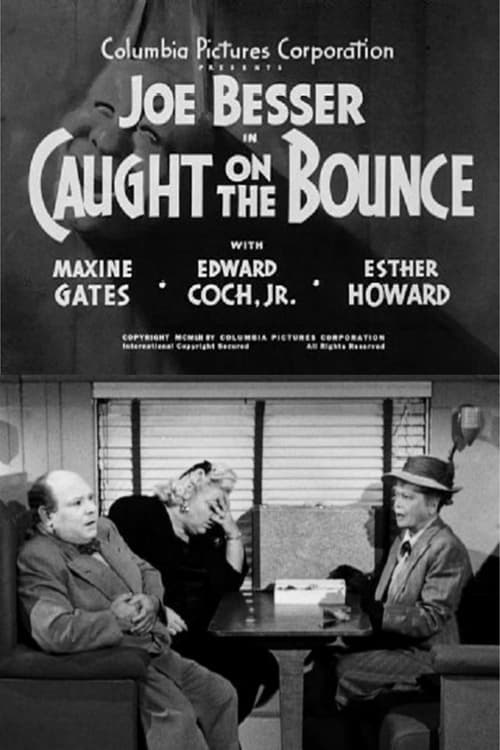
1952
1922
1945
1936
1928
1934
No reviews yet. Be the first to share your thoughts on this movie!
Use the rating form above to leave a star rating and optional review.