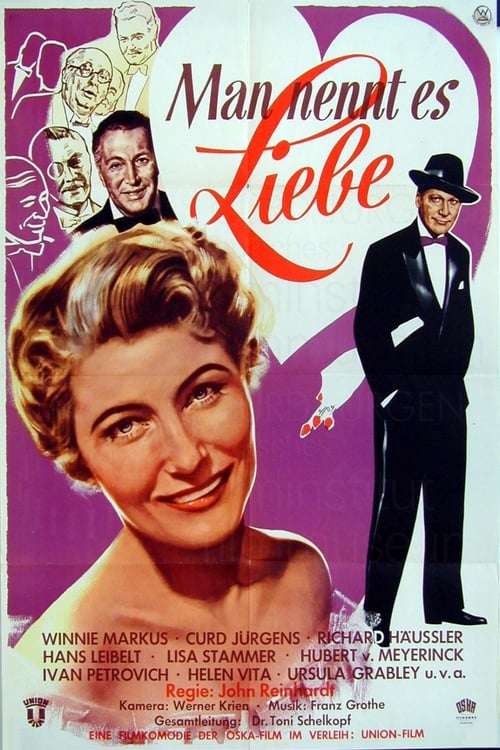
Ehestreik
1953
No user ratings available yet
Representation score: 1.2 out of 10
Representation Score
Minimal
1953
16Director
John Reinhardt
Runtime
90 minutes
Average Rating
No ratings yetNew Showbiz Analysis
Produced in 1953, *They Call It Love* operates within the strict social norms of the mid-century studio system. The film lacks any evidence of challenging cultural norms or promoting diverse identities. Given the adherence to the moral and social constraints of the era, the film offers limited opportunities for diverse identity-driven power dynamics. It reflects the traditional storytelling methods typical of 1950s genre filmmaking. Ultimately, the film seems to be a product of its time, emphasizing conventional narratives over the representation of underrepresented groups or the disruption of social expectations.
Category Breakdown
The film does not include any characters with LGBTQ+ identities. Given the production context of 1953, such representations were uncommon due to industry standards.
Comedies from this era tend to follow traditional gender roles. The film likely adheres to conventional gender stereotypes without giving women significant roles.
The story focuses on a predominantly white cast. There is no evidence of casting actors from diverse backgrounds or giving non-white characters significant roles.
The film likely upholds traditional Western values, such as the nuclear family structure. It does not explore themes that deviate from the cultural norms of the 1950s.
There is no information about characters with visible or invisible disabilities. The film does not provide any representation in this area.
Present on Screen
Limited or Absent
1953
1956
1953
1947
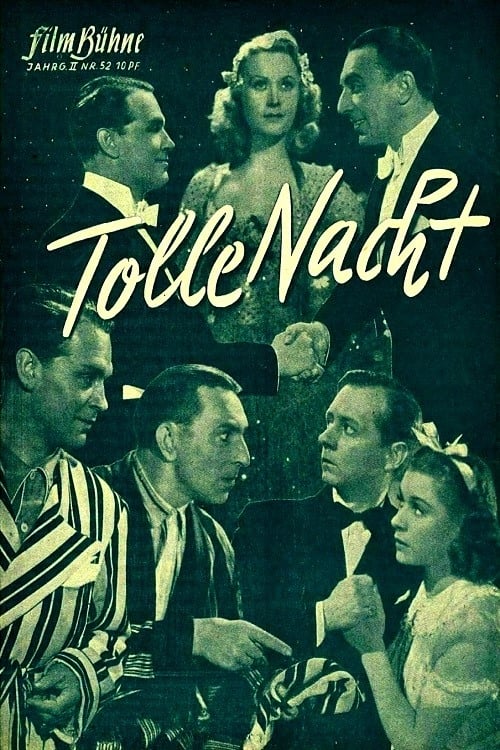
1943
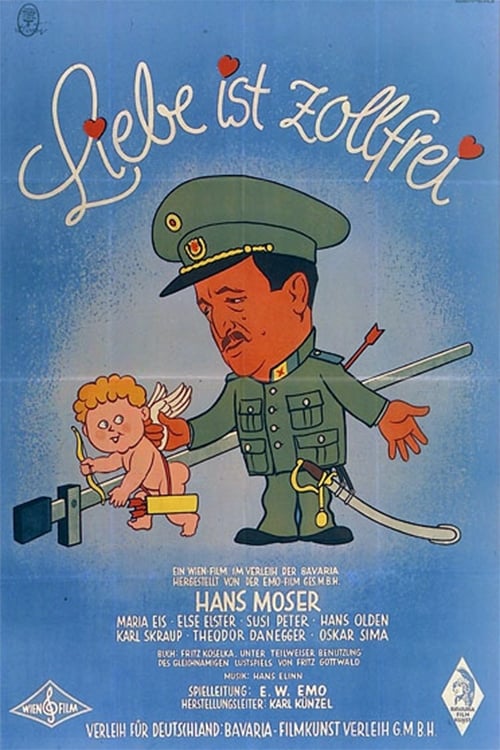
1941
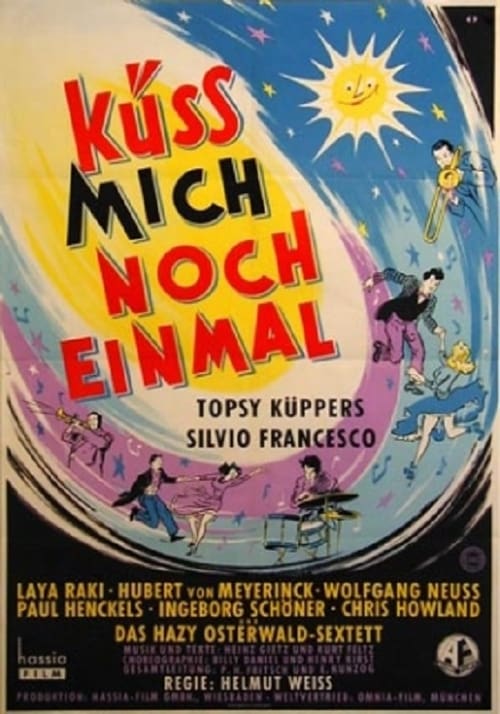
1956
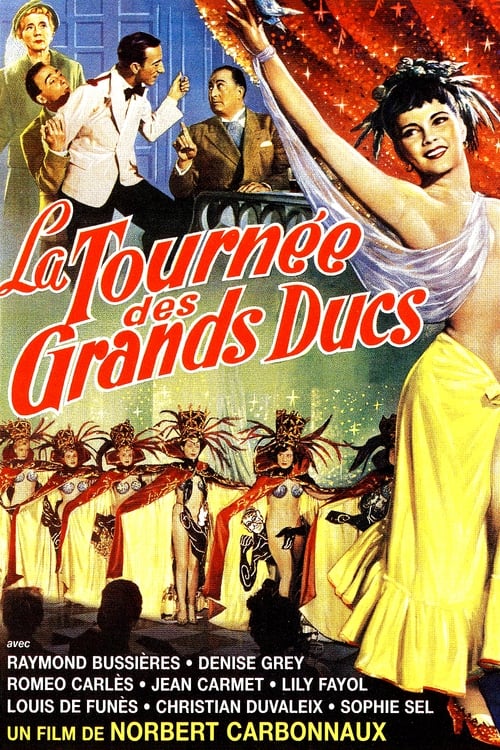
1953
No reviews yet. Be the first to share your thoughts on this movie!
Use the rating form above to leave a star rating and optional review.