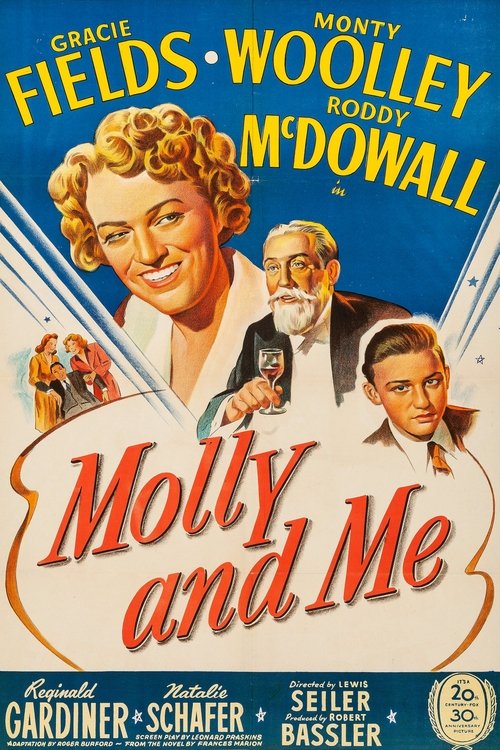
Molly and Me
1945
No user ratings available yet
Representation score: 0.4 out of 10
No Poster Available
Representation Score
Minimal
1934
ApprovedDirector
Frank Craven
Runtime
70 minutes
Average Rating
No ratings yetNew Showbiz Analysis
That's Gratitude is a period comedy that operates within the conventional studio system of the 1930s. It relies on established social hierarchies and situational comedy to drive its plot. The film reinforces traditional gender roles through the 'makeover' cliché, where a woman's professional ascent is tied to male intervention. This limits the female lead's autonomy. Overall, the narrative lacks complexity in reflecting multiple aspects of identity. It functions as a standard social comedy that upholds the status quo rather than challenging it.
Category Breakdown
The film follows a traditional trajectory that assumes everyone is straight or cisgender. There is no evidence of non-binary gender identities or same-sex relationships.
Dora's success is mediated through a male figure via a makeover cliché. Her transformation into a star is driven by Bob Grant's mentorship rather than her own initiative.
The setting suggests a homogeneous white cast typical of 1934 cinema. There is no indication of racial diversity or varied ethnic perspectives.
The plot adheres to conventional Western social structures and moral frameworks. It focuses on themes of hospitality and social debt without critiquing existing institutions.
The provided documentation contains no mention of characters possessing visible or invisible disabilities.
Present on Screen
Limited or Absent
Official Synopsis
Fly-by-night stage producer Bob Grant inadvertently saves the life of small-towner Thomas Maxwell. The grateful Maxwell invites Grant to move in with his family, which he does, rapidly wearing out his welcome. Finally booted out of the Maxwell household, Grant takes Tom's homely but sweet-voiced daughter Dora with him, giving her a cosmetic makeover and turning her into a big star -- and thereby repaying his host's kindness in a most roundabout fashion.
1945

1934
1933

1934

1934
1926
1931
1940
No reviews yet. Be the first to share your thoughts on this movie!
Use the rating form above to leave a star rating and optional review.