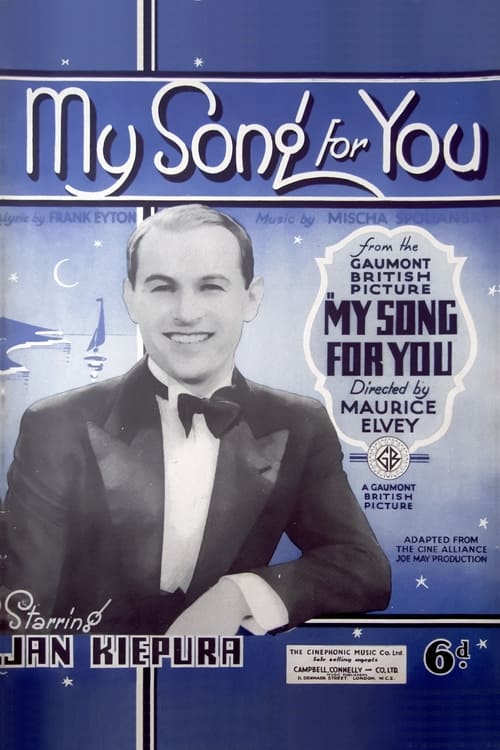
My Song for You
1934
No user ratings available yet
Representation score: 2.3 out of 10
Representation Score
Minimal
1934
ApprovedDirector
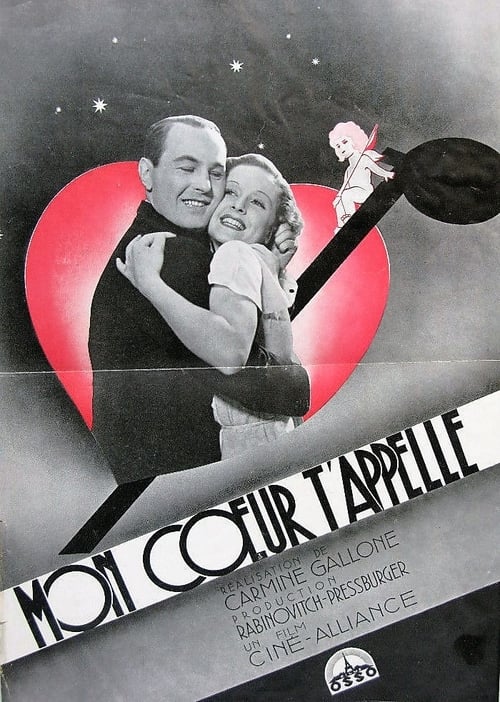
Serge Veber, Carmine Gallone
Average Rating
No ratings yetNew Showbiz Analysis
This 1934 comedy reflects the social norms and traditions of its time. The narrative centers around a heterosexual romance and a high-society setting in Monte Carlo. While the film includes a central female character, her influence is tied to her physical appearance rather than professional accomplishments. The lack of diversity and critical examination of social structures reinforces the cultural homogeneity of the era.
Category Breakdown
The plot focuses on a heterosexual relationship between Mario and Nicole. There are no hints of non-binary or LGBTQ+ themes.
Nicole exerts significant influence, but her role is tied to her physical attractiveness. This emphasizes a hierarchy where female power is linked to appearance rather than professional achievements.
The film is set in Monte Carlo and features an opera troupe, suggesting a predominantly white cast. There is no indication of racial diversity or inclusive casting practices.
The movie highlights Western institutions such as opera and high society. It serves as an escapist comedy without questioning these societal norms.
There are no characters with visible or invisible disabilities mentioned in the narrative.
Present on Screen
Limited or Absent
Official Synopsis
Director Rosé and his opera company travel to Monte Carlo where they expect an engagément to perform at the opera house. During the boat trip Mario, the cheerful tenor, meets a girl hidden in his cabin. He helps her singing for her passage and soon Nicole is adopted by the whole troupe. Then at Monte Carlo the opera director has no intention to sign them. But he has an eye for beautiful women, so Nicole will try to persuade him to reconsider the offer.
1934

1950
1934

1938
1933

1950

1941

1939
No reviews yet. Be the first to share your thoughts on this movie!
Use the rating form above to leave a star rating and optional review.