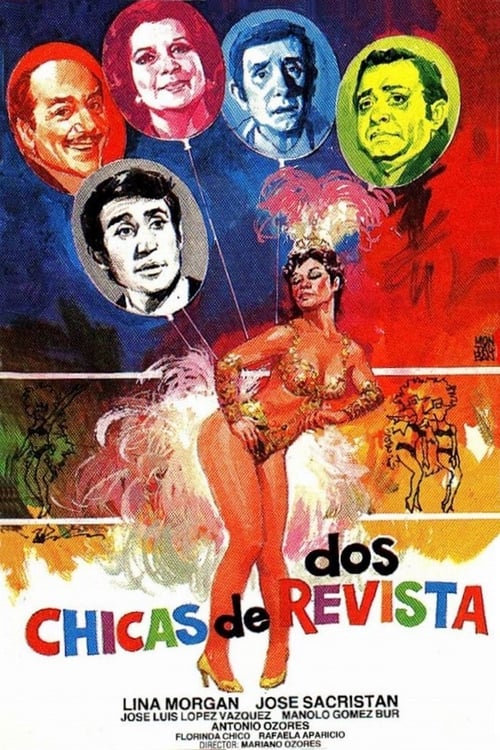
Two Magazine Girls
1972
No user ratings available yet
Diversity score: 3.8 out of 10
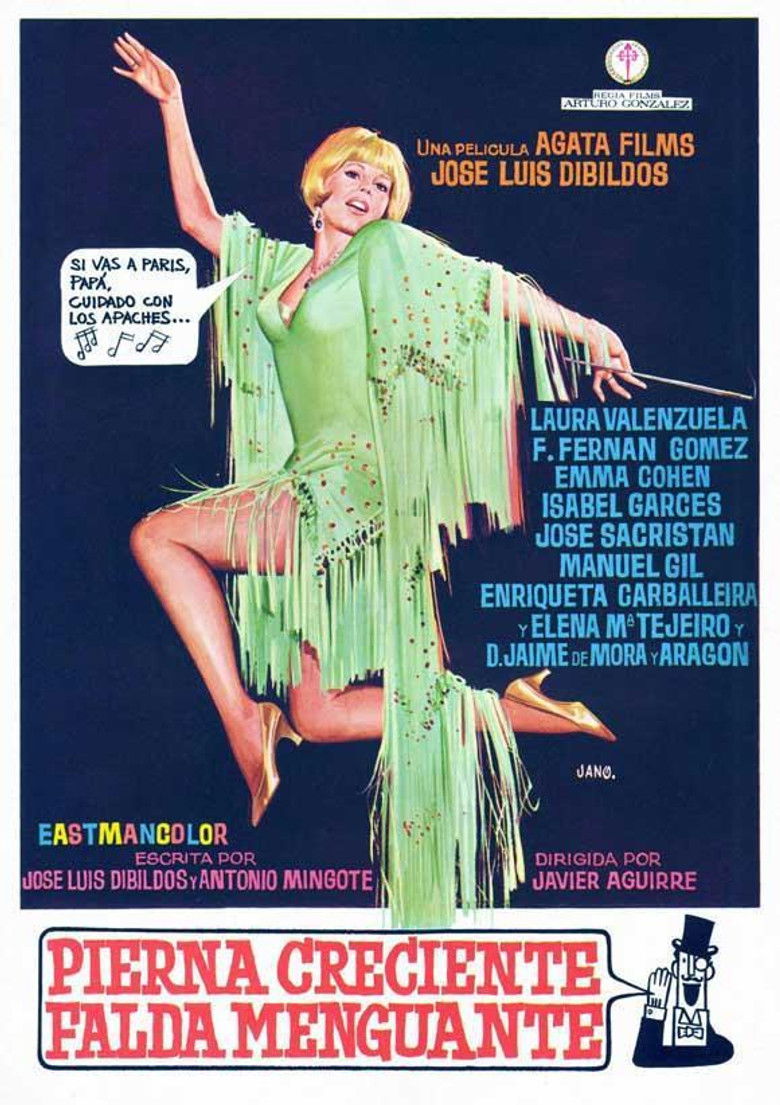
1970
Director
Javier Aguirre
Runtime
90 minutes
Average Rating
No ratings yetSynopsis
In 1916, while Europe was in the middle of First World War and Spain was enjoying the advantages of being a neutral country, eroticism was called voluptuousness and Senator Duke of Daroca, despite his ancient lineage, fell completely in love with a famous cabaret singer, Rosario "La Criollita", which was a scandal. At that time, it was doubted that decent women had legs - But this mystery was resolved a decade later, when the roaring twenties arrived and, with them, the sensual Lupe Cardoso
Overall Score
Fair
Category Breakdown
LGBTQ+ Representation
The film lacks evidence of non-heteronormative identities. The plot centers on a traditional romantic scandal between a high-ranking official and a cabaret singer, following standard heteronormative structures.
Gender Representation
Female characters exhibit a degree of social and sexual agency that challenges the era's constraints. The narrative tracks a shift from enforced modesty to the sensual presence of women in the public sphere.
Racial & Ethnic Diversity
The character 'La Criollita' suggests potential cultural blending or intersectional casting within the cabaret setting. However, specific details regarding racial diversity remain limited.
Religious & Cultural Diversity
The story explores friction between aristocratic institutions and the secular world of music. It depicts the social scandal caused by breaking established class and moral norms.
Disability Representation
There is no information regarding the portrayal of physical or neurodivergent disabilities in this work.
Strengths
Areas for Improvement
AI Analysis
The film serves as a period comedy exploring the transition from WWI-era Spanish neutrality to the social shifts of the 1920s. It focuses on the tension between aristocratic lineage and the rising influence of cabaret culture. While the film does not actively dismantle systemic hierarchies, it provides a look at changing social landscapes. The narrative uses the evolution of female modesty and sensuality to highlight shifting boundaries of decorum. Representation is moderate, primarily centered on class friction and the agency of women in public spaces. It lacks explicit queer narratives or disability representation.
1972
1964

1979
1963
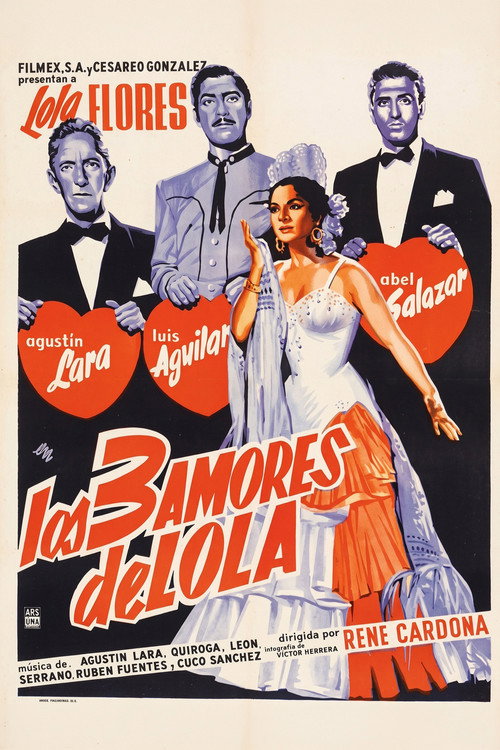
1956
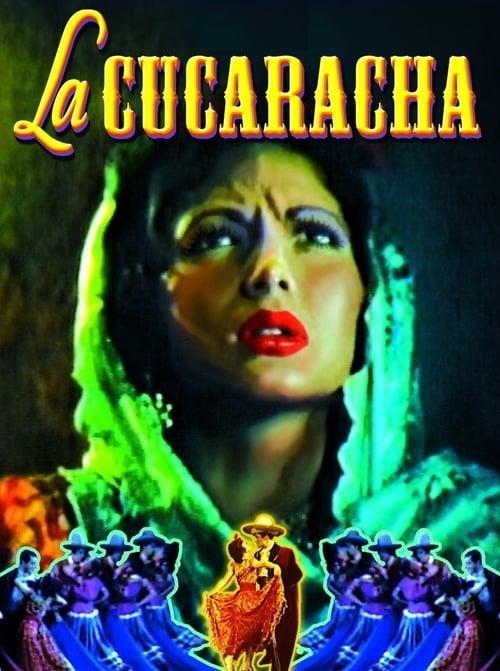
1934
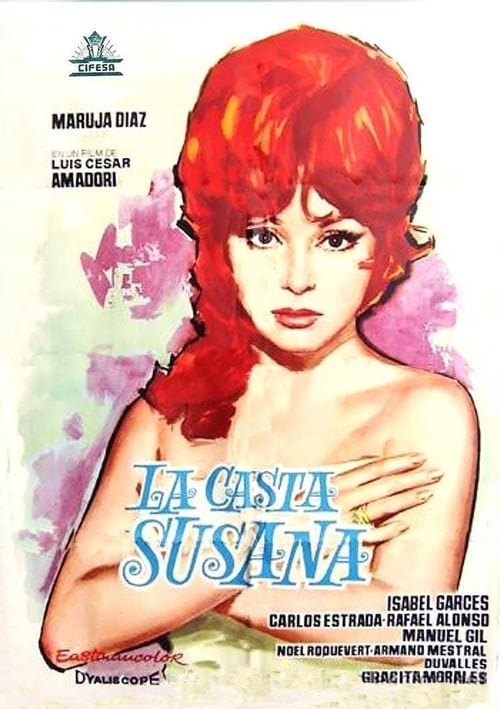
1963
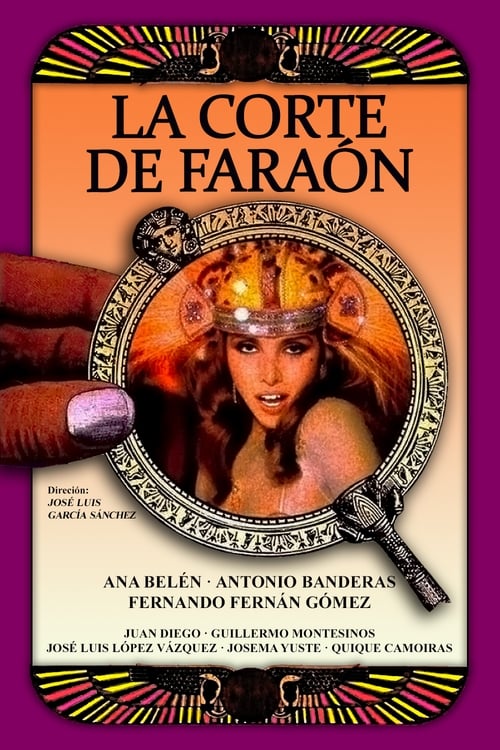
1985
1973
1955
1938
1967
No reviews yet. Be the first to share your thoughts on this movie!
Use the rating form above to leave a star rating and optional review.