
Relaciones casi públicas
1968
No user ratings available yet
Diversity score: 2.3 out of 10
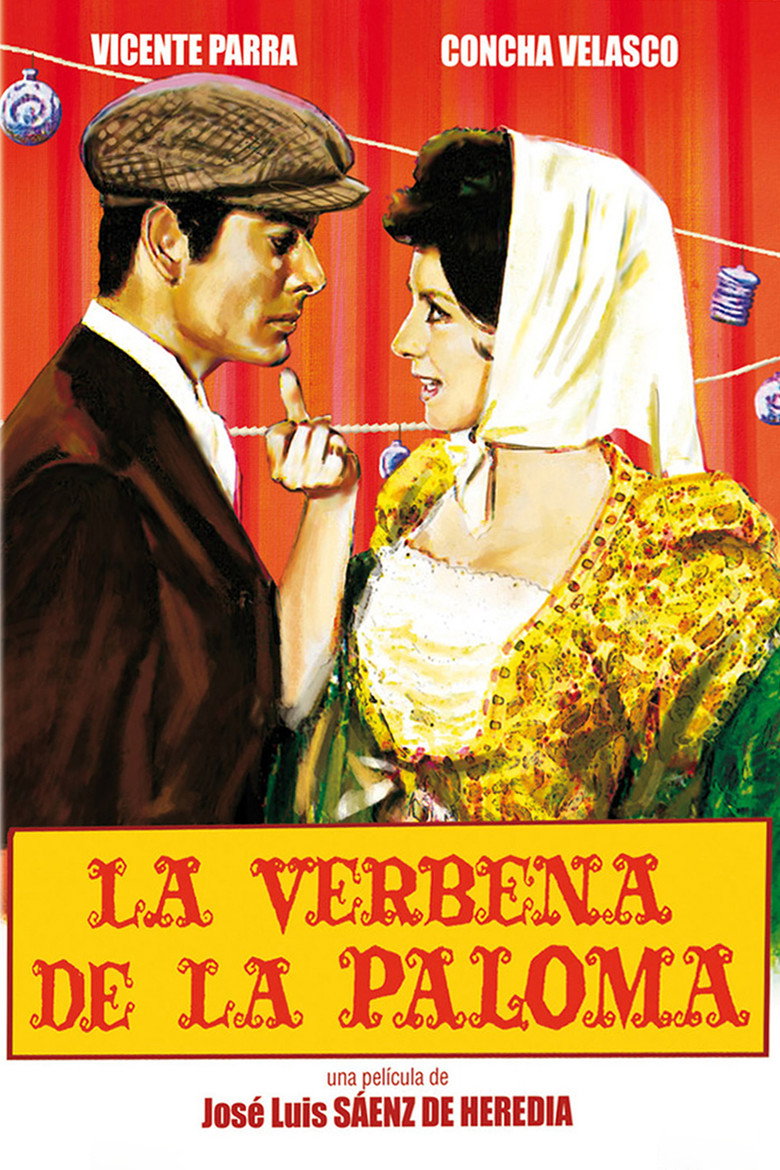
1963
Director
José Luis Sáenz de Heredia
Runtime
94 minutes
Average Rating
No ratings yetSynopsis
Life goes quietly in a traditional neighborhood of Madrid. Two beautiful girls, Susana and Casta, trade workers in the area, accepting mature attentions of a pharmacist, Don Hilarion. This affection dislike the young Julian, who is in love with Susan. Third movie version of the famous zarzuela by Tomas Breton. With musical arrangements by Gregorio Garcia Segura, the film tries to update the original story to fit the Madrid of the 60's.
Overall Score
Limited
Category Breakdown
LGBTQ+ Representation
The film follows a traditional romantic triangle centered on heteronormative courtship. There is no evidence of same-sex intimacy or non-cisnormative gender identities within the narrative.
Gender Representation
Female protagonists drive the plot through flirtation and beauty. However, their agency is largely tied to being objects of desire and catalysts for male jealousy.
Racial & Ethnic Diversity
The story is localized to Madrid and reflects the demographic homogeneity of 1963 Spain. No non-European ethnic identities are indicated in the cast.
Religious & Cultural Diversity
The comedy is rooted in local Madrid festivities and traditional social mores. It reinforces the existing social fabric rather than challenging institutional norms.
Disability Representation
The narrative contains no characters identified as having visible or invisible disabilities. No assessment of neurodivergence or physical impairments is possible.
Strengths
Areas for Improvement
AI Analysis
The film functions as a period-specific comedy that adheres strictly to the social and cultural frameworks of 1960s Spain. It relies on classical narrative structures and conventional romantic tropes rather than attempting to disrupt established social hierarchies. While the female characters are central to the plot, they operate within a traditional gender hierarchy. Their influence is derived from charm and their roles in a male-driven jealousy dynamic, offering little systemic subversion of authority. Ultimately, the work is a localized reflection of its era. It prioritizes demographic homogeneity and traditional community celebrations, providing minimal engagement with intersectional identities or diverse social perspectives.
1968
1967
1978
1966
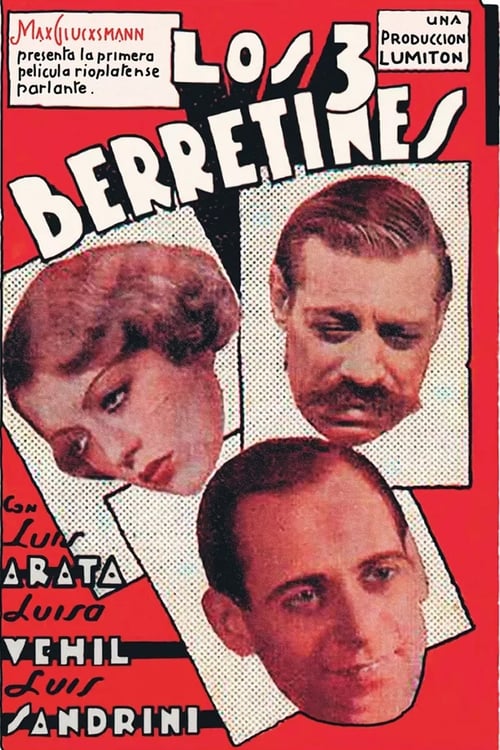
1933
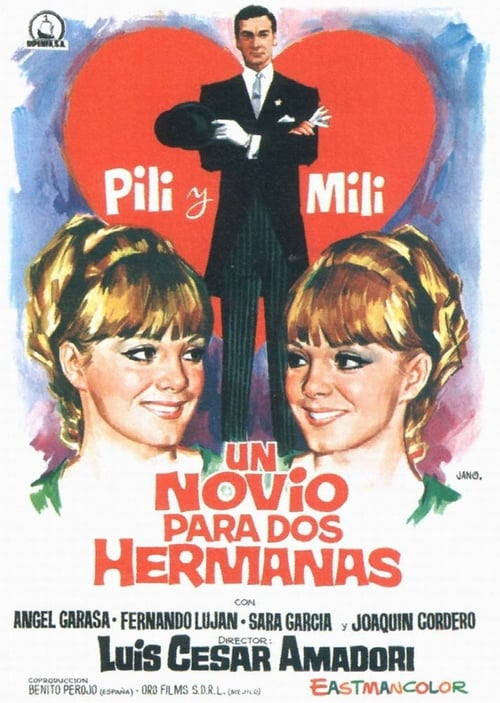
1967
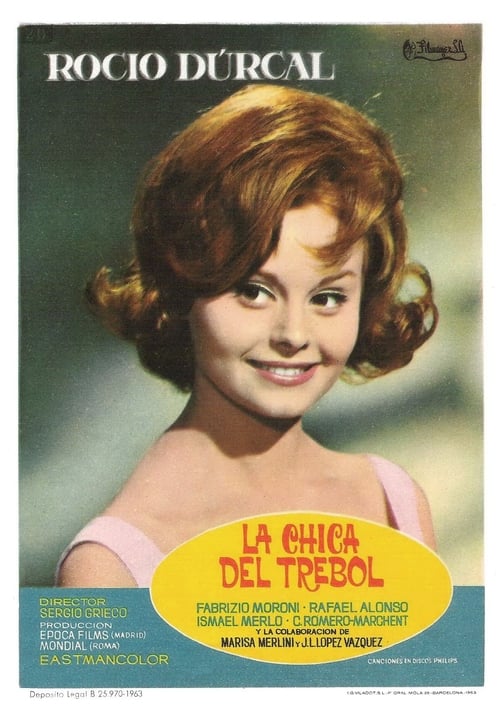
1963
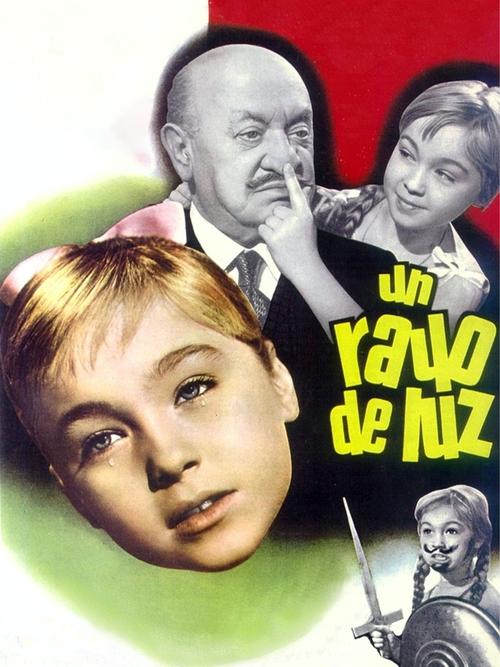
1960
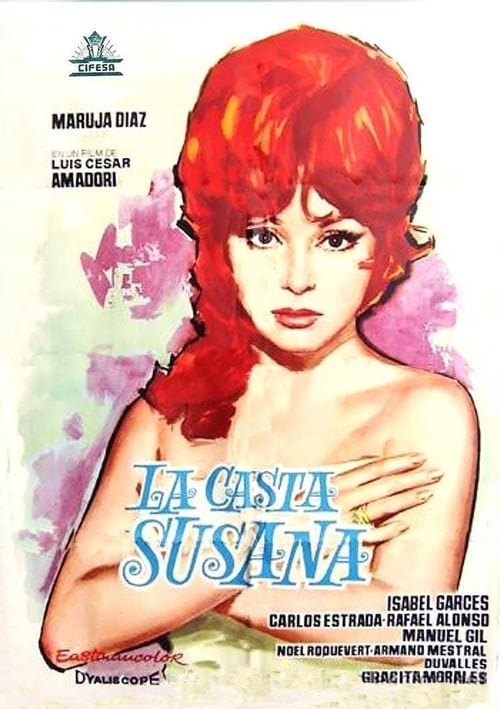
1963

1966
1967
1982
No reviews yet. Be the first to share your thoughts on this movie!
Use the rating form above to leave a star rating and optional review.