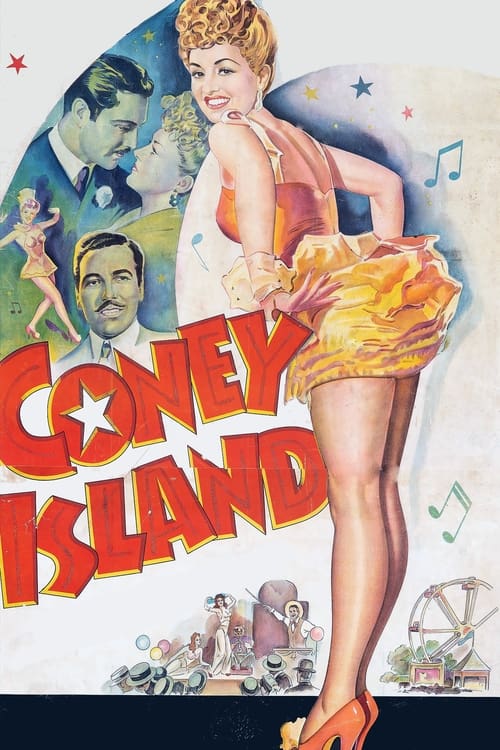
Coney Island
1943
No user ratings available yet
Diversity score: 1.4 out of 10
1938
NRDirector
Edward Ludwig
Runtime
95 minutes
Average Rating
No ratings yetSynopsis
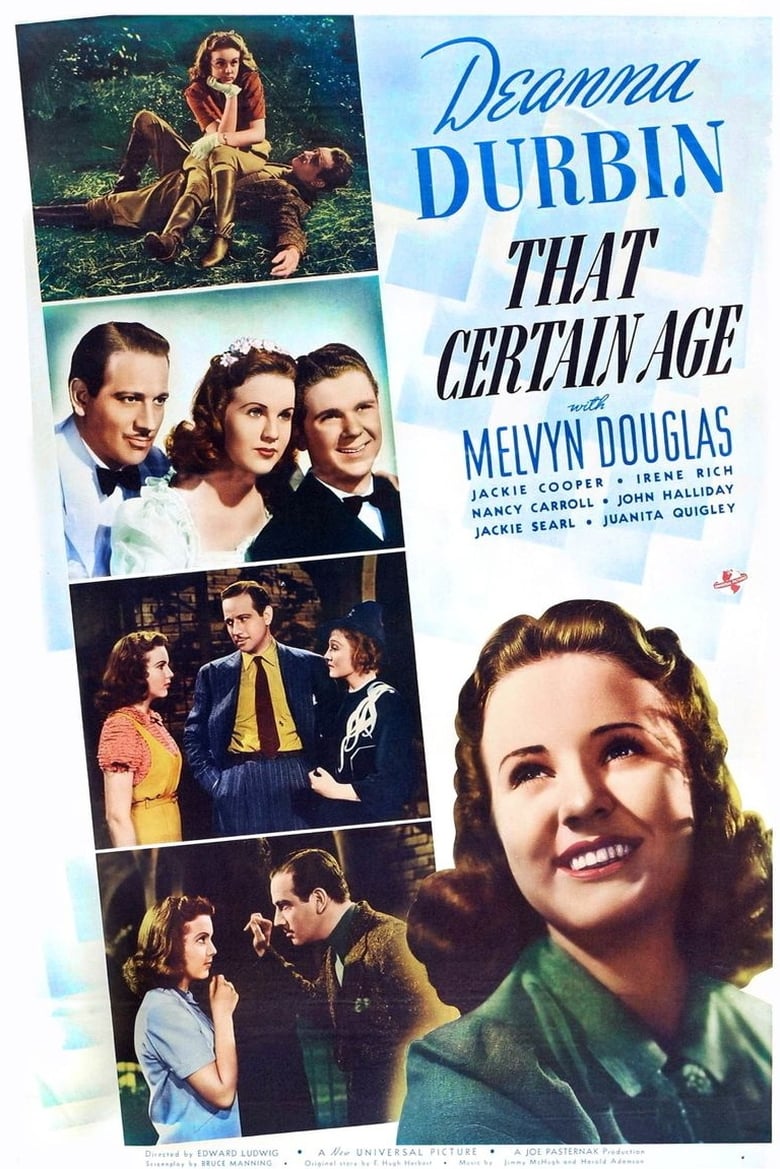
Dashing reporter Vincent Bullit has just returned from covering the Spanish Civil War. His boss, newspaper magnate Fullerton, has more plans to send him off to China. However, first Fullerton invites Bullit to the peace and quiet of his own home to write a series of European affair articles. When Fullerton's adolescent daughter Alice develops a crush on Bullit, her suitor, boyscout Ken Warren, doesn't seem to stand a chance. Mr. and Mrs. Fullerton, Ken Warren, and even Vincent Bullit himself do their best to sway young Alice's feelings away from the older man. It's a difficult task though, as she is at 'that certain age.'
Overall Score
Minimal
Category Breakdown
LGBTQ+ Representation
The film adheres strictly to heteronormative social structures. There are no depictions of non-cisnormative identities or same-sex intimacy, focusing entirely on traditional courtship.
Gender Representation
The narrative reinforces conventional gender hierarchies. While Alice drives the emotional conflict, power dynamics are dictated by patriarchal figures like Fullerton, managing female desire rather than subverting authority.
Racial & Ethnic Diversity
The film presents a homogeneous social environment. Set within high-society English manor life, the cast lacks racial diversity, reflecting the era's standard of depicting the upper class as ethnically uniform.
Religious & Cultural Diversity
The story celebrates the existing socioeconomic order without critiquing Western institutions or capitalism. It portrays the lifestyle of the capitalist elite as a stable, aspirational setting.
Disability Representation
There are no visible or invisible disabilities portrayed. Characters are presented within a standard framework of physical and neurotypical ability.
Strengths
Areas for Improvement
AI Analysis
That Certain Age is a quintessential high-society comedy of manners that prioritizes the preservation of established social hierarchies. The film functions as escapist entertainment, focusing on the romantic entanglements of the affluent rather than exploring intersectional identities. The narrative reinforces the status quo of the 1930s. It centers on traditional courtship rituals and patriarchal authority, offering little room for the subversion of gendered or class-based power structures. Ultimately, the film lacks representation of marginalized groups, opting instead to depict a homogeneous, upper-class world that upholds the era's conventional social and cultural expectations.
1943
1939

1933

1943
1934
1930
1933
1939

1939
1933

1933

1930
No reviews yet. Be the first to share your thoughts on this movie!
Use the rating form above to leave a star rating and optional review.