Donde hay patrón...
1978
No user ratings available yet
Diversity score: 2.6 out of 10
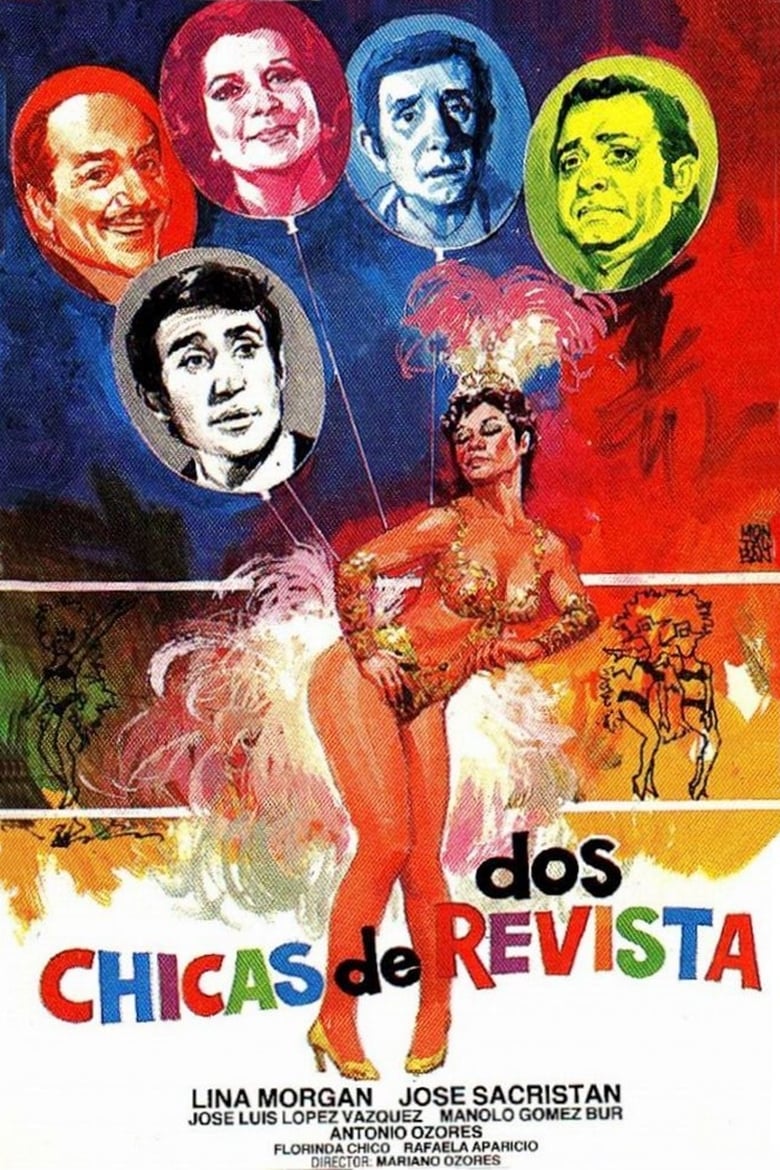
1972
Director
Mariano Ozores Puchol
Runtime
89 minutes
Average Rating
No ratings yetSynopsis
A Madrid theater is looking for girls for a new company of magazines.One of the girls presented is Catalina, very sawy and restless, daughter of a seamstress of the theater. Another candidate is an innocent girl who studies ballet abroad and is the daughter of a famous star, Cecilia Alcaraz. Soon the two girls become good friends and Catalina intends to succeed Alice. Alicia's success also benefits her friend making them the most famous theatrical couple times. But with success comes love, which is also a major impediment to their careers.
Overall Score
Limited
Category Breakdown
LGBTQ+ Representation
The film focuses on the friendship and professional rivalry between two women. There is no evidence of non-cisnormative identities, as the central romantic conflicts suggest a traditional framework.
Gender Representation
Female agency is a central theme, particularly through Catalina, who is portrayed as a savvy and proactive character. The story highlights female ambition within the professional theater industry.
Racial & Ethnic Diversity
The setting is localized to a Madrid theater, reflecting the demographic homogeneity of 1972 Spanish commercial cinema. No multi-ethnic or diverse cast elements are present.
Religious & Cultural Diversity
The narrative celebrates the glamour and structure of the theatrical world. It operates within traditional Western entertainment frameworks and conventional social aspirations.
Disability Representation
There are no characters identified with visible or invisible disabilities in the narrative.
Strengths
Areas for Improvement
AI Analysis
Two Revue Girls is a period-specific musical comedy that centers on female ambition and the pursuit of stardom. While it provides a platform for women to demonstrate professional drive, it remains rooted in the social hierarchies of early 1970s Spain. The film lacks diversity in terms of race and LGBTQ+ representation, adhering to the mainstream commercial standards of its era. The narrative focuses on individual success and romantic entanglements rather than systemic critiques. Ultimately, the film is a traditional character study of theatrical rivalry that offers some agency to its female leads but fails to challenge broader cultural or identity-based norms.
1978
1968
1966

1966

1963
1954

1972
1967

1963

1945

1979

2020
No reviews yet. Be the first to share your thoughts on this movie!
Use the rating form above to leave a star rating and optional review.