Scandalous
2006
No user ratings available yet
Representation score: 3.6 out of 10
Representation Score
Fair
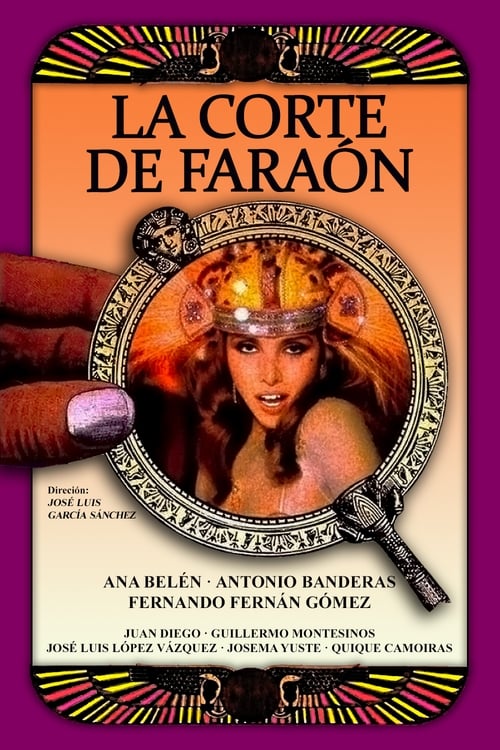
1985
Director
José Luis García Sánchez
Runtime
98 minutes
Average Rating
No ratings yetNew Showbiz Analysis
La corte del Faraón is a socio-political critique that prioritizes the deconstruction of authoritarianism over demographic diversity. Its strength lies in its cultural subversion, using musical comedy to challenge the rigid structures of the Franco dictatorship. The film succeeds in critiquing institutional integrity, portraying justice as a tool of political alignment rather than a moral absolute. This provides a profound look at the corruption of traditional Spanish institutions. However, the film lacks explicit markers of modern identity-based representation. It remains deeply rooted in a localized, homogeneous setting, offering little in the way of racial or disability-based diversity.
Category Breakdown
The film explores themes of non-conformity within a changing social landscape. While specific LGBTQ+ identities are not explicitly named, the use of subversive art suggests a disruption of traditional expectations.
The story challenges traditional hierarchies by focusing on individuals on the fringes of society. It examines how class and power structures intersect to influence social standing.
Set in post-war Madrid, the narrative focuses on internal class struggles within a homogeneous Spanish society. There is no evidence of significant racial or ethnic diversity in the plot.
The film offers a sharp critique of institutional authority, particularly the State and the Church. It uses the 'zarzuela' to challenge censorship and expose systemic corruption.
There is no evidence regarding the portrayal of physical or neurodivergent disabilities in this work.
Present on Screen
Limited or Absent
Official Synopsis
In the early Spanish Civil Post-war, in Madrid, during the most hard times of the Franco dictatorship, a group of second-rate players try to get out of their wretched lives taking advantage of the artistic caprices of the son of a rich man who supports the regime. They try to stage a Pre-war 'zarzuela' (a sort of Spanish operetta), 'La Corte Del Faraón', which ironically, thirty years later, is too obscene for the regime censorship. They finally manage to perform the 'zarzuela' but end up in the police station where they confirm that justice depends on which side are you on
2006
1998
1969
1965

1973
1964

1968
1958
No reviews yet. Be the first to share your thoughts on this movie!
Use the rating form above to leave a star rating and optional review.