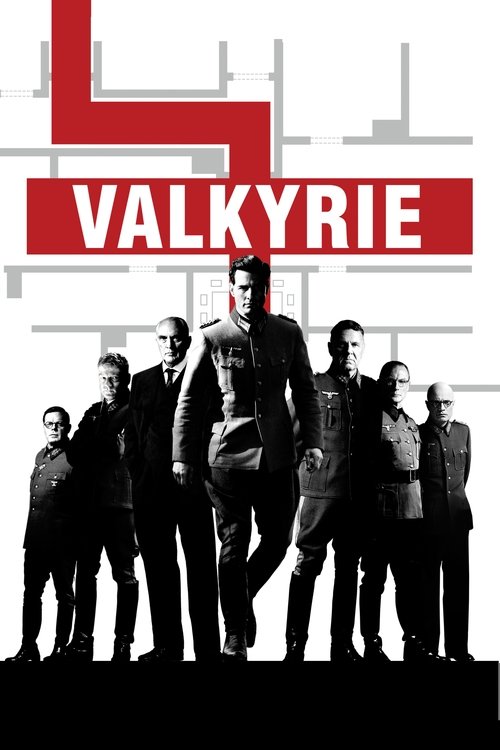
Valkyrie
2008
No user ratings available yet
Representation score: 2.3 out of 10
Representation Score
Limited
2016
RDirector
Vincent Perez
Runtime
103 minutes
Average Rating
No ratings yetNew Showbiz Analysis
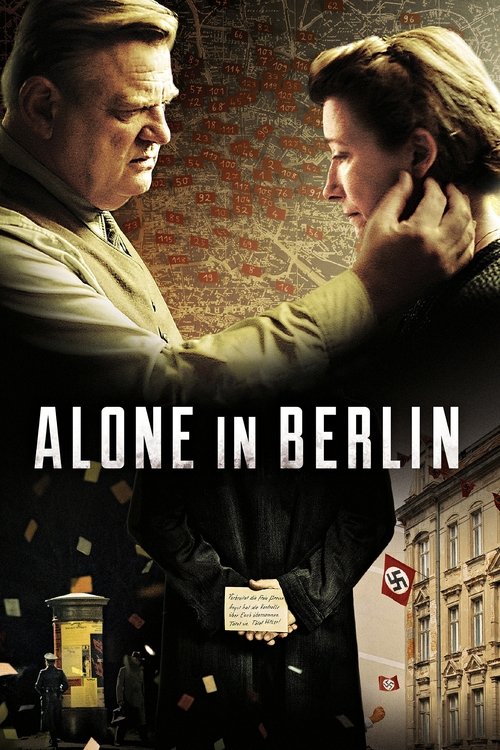
Alone in Berlin is a period drama that prioritizes historical authenticity over demographic breadth. Set in 1940s Nazi Germany, the cast remains largely homogeneous, which naturally limits LGBTQ+ and racial representation. However, the film finds progressive depth through its cultural critique. By centering the resistance within a working-class domestic setting, it questions the morality of absolute state power and grants a significant role in driving the story to female characters. Ultimately, the film's value lies in its deconstruction of institutional authority rather than its diversity of identity.
Category Breakdown
The film focuses solely on the domestic and political survival of a German family during the 1940s. There is no discernible presence of LGBTQ+ themes or non-cisgender identities.
The narrative challenges traditional hierarchies by centering moral weight within the domestic sphere. Female perspectives and the psychological navigation of the child drive the film's primary moral inquiry.
The cast is predominantly homogeneous, reflecting the specific historical and geographical constraints of 1940s Berlin. It focuses on the German working class without utilizing diverse ethnic ensembles.
The film excels in critiquing oppressive state institutions. It portrays the Nazi regime as a predatory system, framing defiance of nationalistic fervor as a necessary act of liberation.
There are no prominent depictions of physical or neurodivergent disabilities used as central plot devices or character traits within the narrative.
Present on Screen
Limited or Absent
Official Synopsis
Berlin in June of 1940. While Nazi propaganda celebrates the regime’s victory over France, a kitchen-cum-living room in Prenzlauer Berg is filled with grief. Anna and Otto Quangel’s son has been killed at the front. This working class couple had long believed in the ‘Führer’ and followed him willingly, but now they realise that his promises are nothing but lies and deceit. They begin writing postcards as a form of resistance and in a bid to raise awareness: Stop the war machine! Kill Hitler! Putting their lives at risk, they distribute these cards in the entrances of tenement buildings and in stairwells. But the SS and the Gestapo are soon onto them, and even their neighbours pose a threat.
2008

1943

2009

1969

2019

1959

1976

2009
No reviews yet. Be the first to share your thoughts on this movie!
Use the rating form above to leave a star rating and optional review.