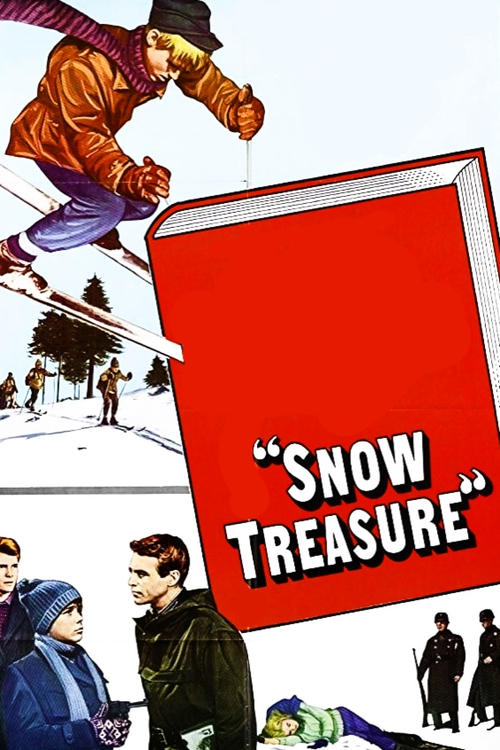
Snow Treasure
1968
No user ratings available yet
Representation score: 1.1 out of 10
Representation Score
Limited
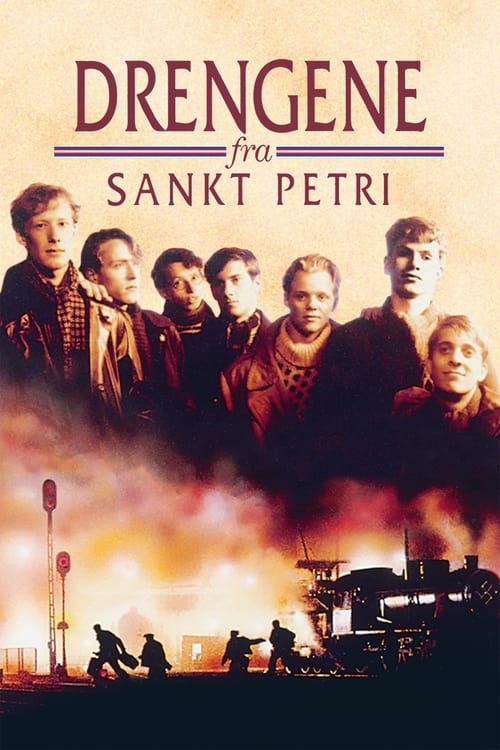
1991
Director
Søren Kragh-Jacobsen
Runtime
111 minutes
Average Rating
No ratings yetNew Showbiz Analysis
The Boys from St. Petri functions as a period-specific character study that prioritizes historical accuracy over contemporary diversity. By focusing on a homogeneous group of boys in Nazi-occupied Denmark, the film captures a specific historical moment. While the film successfully explores adolescent development and male friendships, it lacks demographic complexity. The narrative structure adheres to the social constraints and demographic realities of the mid-20th century.
Category Breakdown
The film focuses on adolescent male friendships within a mid-century Danish setting. There are no same-sex romantic relationships or characters with non-traditional gender identities in the main storyline.
The story centers almost entirely on male social hierarchies and the transition to adulthood. Female characters are mostly in supporting roles, reinforcing traditional gender roles through the boys' experiences.
Set in a small Danish town, the cast is predominantly of the same ethnicity. The film reflects the demographic reality of the time without delving into diverse backgrounds or ethnicities.
This coming-of-age drama respects the social structure of its era. It portrays a conventional view of mid-century society without challenging traditional institutions like family or community.
The story emphasizes the psychological and social milestones of adolescence. No major characters have visible or invisible disabilities, and disability is not used as a plot device.
Present on Screen
Limited or Absent
Official Synopsis
A group of school-mates form a resistance group in nazi-occupied Denmark.
1968
1965
1950

1977

2011

2020

1960

2016
No reviews yet. Be the first to share your thoughts on this movie!
Use the rating form above to leave a star rating and optional review.