Malaya
1949
No user ratings available yet
Diversity score: 1.8 out of 10
1942
NRDirector
Richard Thorpe
Runtime
88 minutes
Average Rating
No ratings yetSynopsis
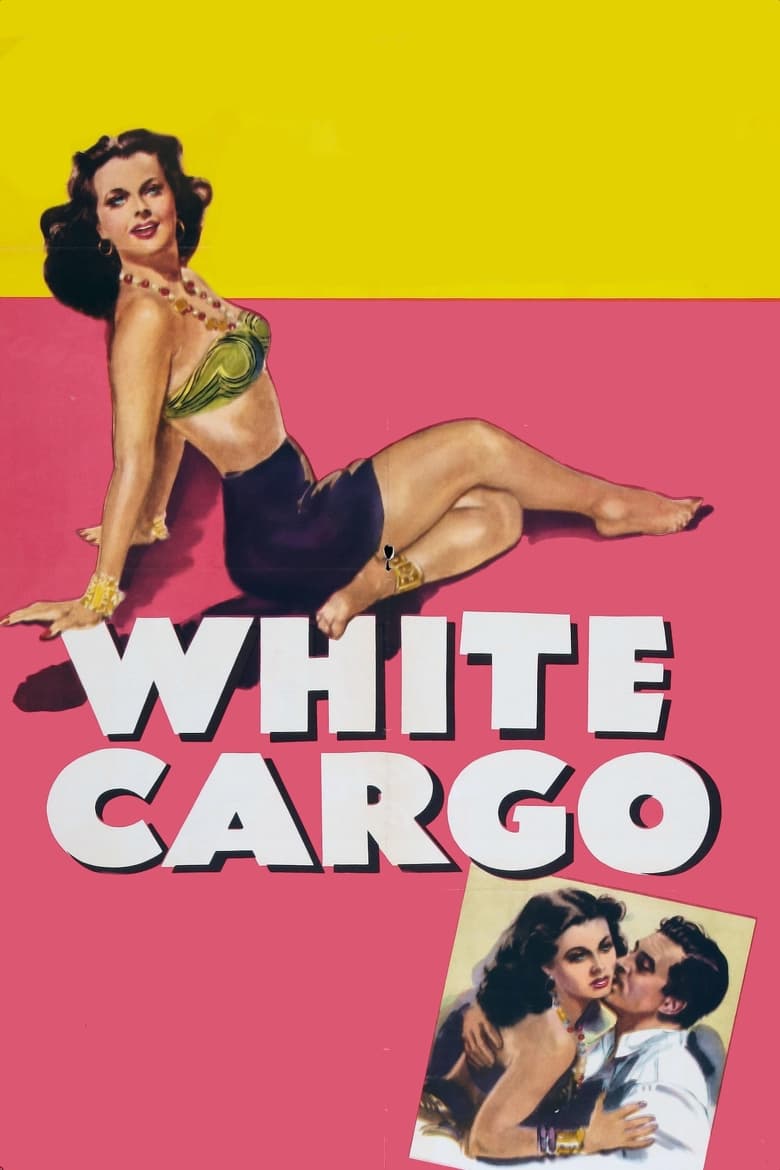
In Africa early in World War II, a British rubber plantation executive reminisces about his arrival in the Congo in 1910. He tells the story of a love-hate triangle involving Harry Witzel, an in-country station superintendent who'd seen it all, Langford, a new manager sent from England for a four-year stint, and Tondelayo, a siren of great beauty who desires silk and baubles. Witzel is gruff and seasoned, certain that Langford won't be able to cut it. Langford responds with determination and anger, attracted to Tondelayo because of her beauty, her wiles, and to get at Witzel. Manipulation, jealousy, revenge, and responsibility play out as alliances within the triangle shift.
Overall Score
Minimal
Category Breakdown
LGBTQ+ Representation
The film lacks any depiction of queer identities or subtext. Romantic tension is strictly confined to a traditional heteronormative triangle involving the male leads and Tondelayo.
Gender Representation
Tondelayo displays agency through her manipulation of men for material desires. However, the narrative relies on mid-century tropes where men drive the conflict and women are framed through sexualized allure.
Racial & Ethnic Diversity
The story operates within a colonialist framework that reinforces 1940s racial hierarchies. Indigenous characters serve as a backdrop for Western interpersonal conflicts rather than possessing high-agency roles.
Religious & Cultural Diversity
This is a conventional Western colonial narrative. It reinforces the stability of Western institutions in Africa without engaging in critiques of imperialism or systemic structures.
Disability Representation
There is no discernible representation of physical, sensory, or neurodivergent identities within the primary cast or character arcs.
Strengths
Areas for Improvement
AI Analysis
White Cargo is a product of its era, functioning as a quintessential colonialist drama. The narrative centers entirely on the professional and romantic rivalries of British administrators, using the Congo as a setting for Western interpersonal conflict rather than exploring indigenous perspectives. The film reinforces established social hierarchies of the 1940s. It lacks intersectional depth, prioritizing a traditional triangle of jealousy and competition that maintains a strictly asymmetrical power dynamic between the colonialists and the local population. Ultimately, the work offers little in the way of social subversion. It presents a world where Western institutional presence and social structures are the undisputed drivers of the plot.
1949
1937

1935
1949
1976
1970
1937
1955
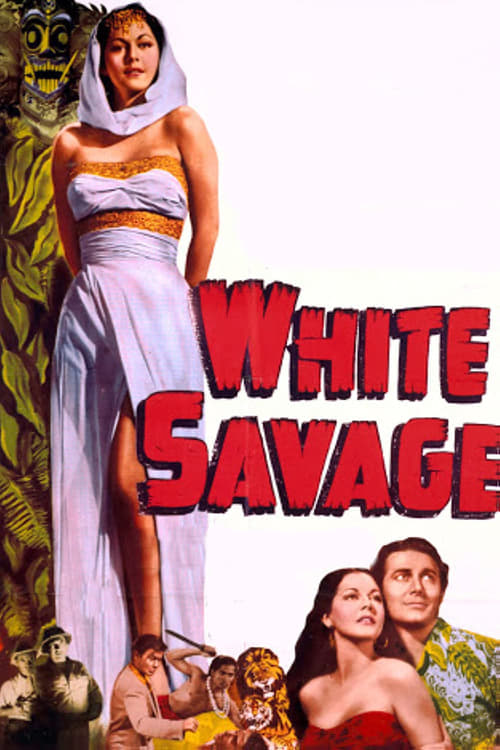
1943
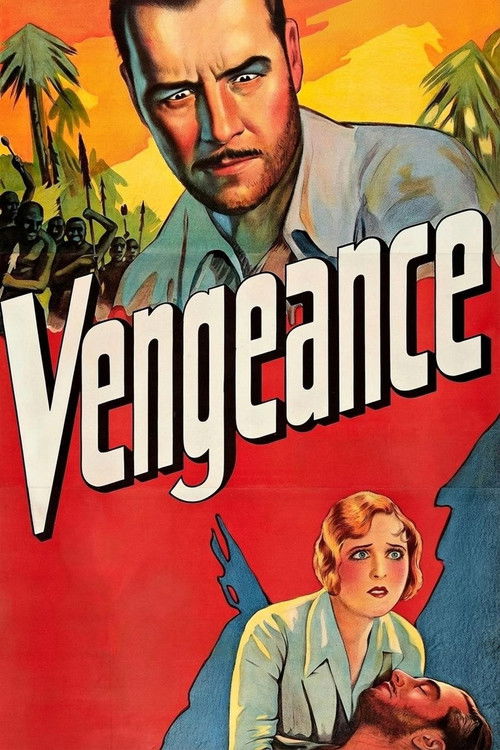
1930
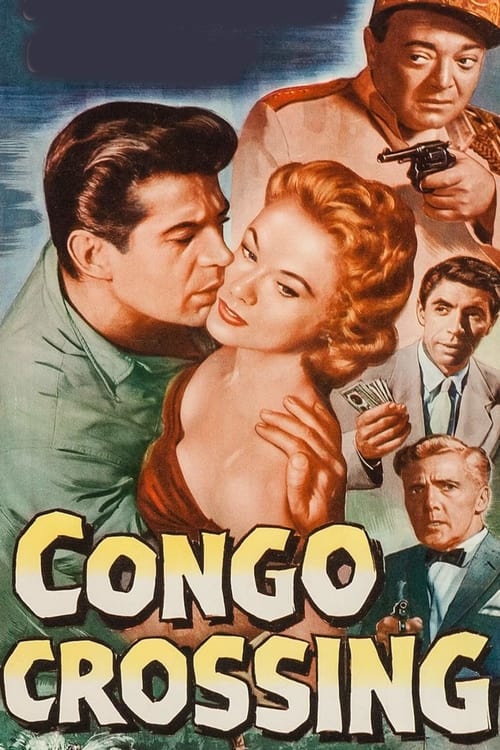
1956
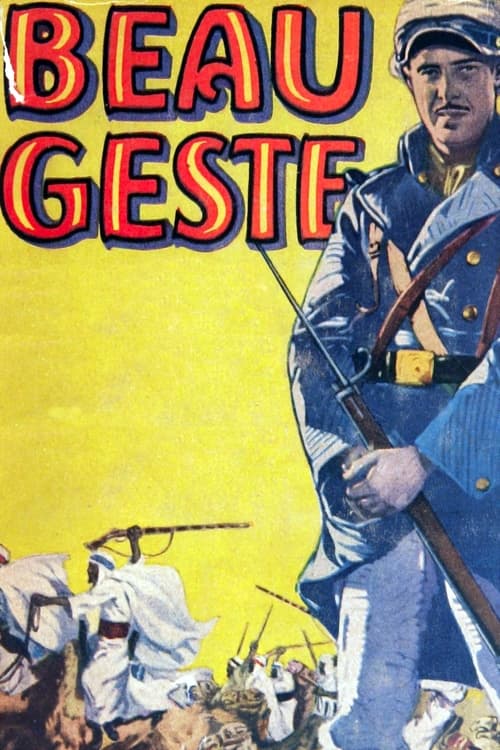
1926
No reviews yet. Be the first to share your thoughts on this movie!
Use the rating form above to leave a star rating and optional review.