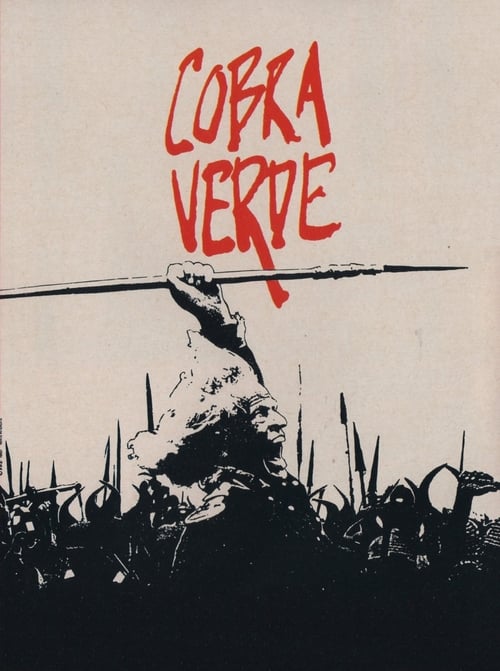
Cobra Verde
1987
No user ratings available yet
Representation score: 4.8 out of 10
Representation Score
Limited
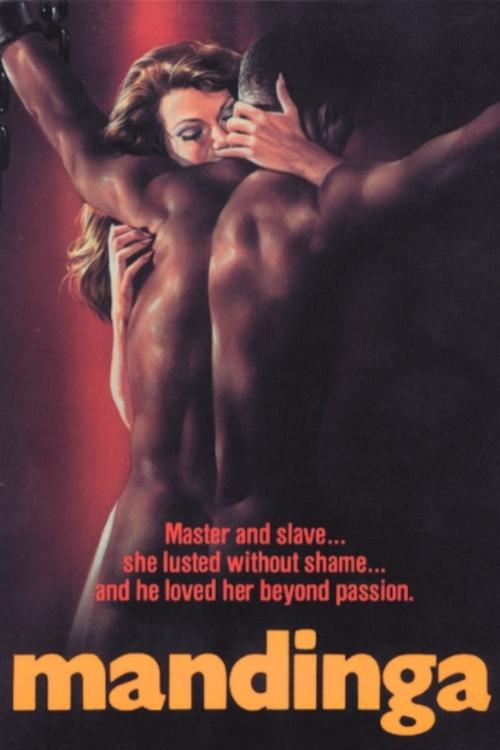
1976
RDirector
Mario Pinzauti
Runtime
88 minutes
Average Rating
No ratings yetNew Showbiz Analysis
Mandinga functions primarily as a period melodrama centered on interpersonal conflict and death. By shifting the setting from the American South to the Italian countryside, the film moves away from the explicit racial hierarchies of its inspiration. The narrative prioritizes transgressive social norms, such as taboo familial relationships, over systemic social critique. This focus on localized melodrama suggests a preference for emotional intensity over diverse representation. Ultimately, the film operates within the standard boundaries of 1970s European genre cinema, utilizing provocative themes without providing documented systemic ability to act or diverse representation.
Category Breakdown
The film examines unconventional romantic relationships, including incestuous love affairs. However, it does not provide clear evidence of queer identities or a direct critique of the assumption that everyone is straight.
The narrative focuses on emotional turmoil and interpersonal relationships. While women likely play central roles in this melodrama, there is no clear evidence of women taking a leading, active role in driving the story.
The title draws from themes of racial oppression, but the setting shifts to the Lazio countryside. This change suggests a potential dilution of the racial tensions found in the original source.
The story deconstructs traditional family structures through its focus on taboo social dynamics. It remains rooted in European dramatic clichés rather than an explicitly anti-Western framework.
There is no information available regarding the portrayal of physical or neurodivergent characters in this production.
Present on Screen
Limited or Absent
Official Synopsis
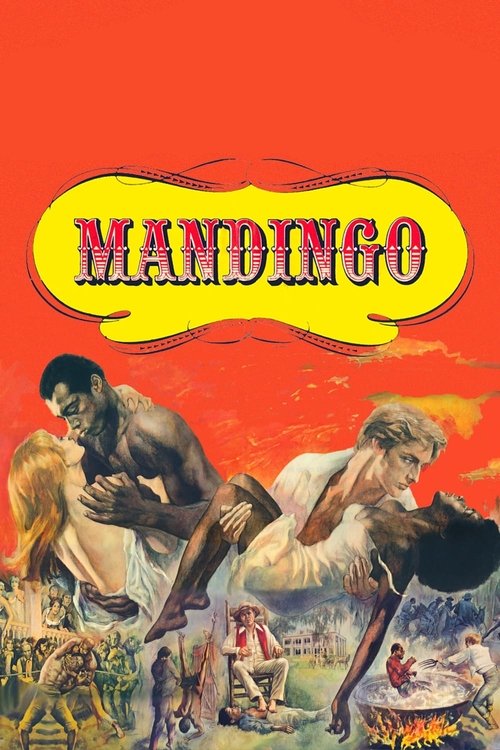
Not America, nor Africa, but the Lazio countryside provides the backdrop for this intricate story of death and more or less incestuous love affairs, inspired by the successful American film Mandingo.
1987
1975
1984

1964
1970

1987
1937

1979
No reviews yet. Be the first to share your thoughts on this movie!
Use the rating form above to leave a star rating and optional review.