
The Four Feathers
1939
No user ratings available yet
Diversity score: 2.2 out of 10

1935
Director
Zoltan Korda
Runtime
88 minutes
Average Rating
No ratings yetSynopsis
A British District Officer in Nigeria in the 1930s rules his area strictly but justly. He struggles with gun-runners and slavers with the aid of a loyal native chief.
Overall Score
Limited
Category Breakdown
LGBTQ+ Representation
The film operates within a strictly heteronormative framework. There is no presence of non-cisnormative gender identities or same-sex intimacy.
Gender Representation
Female characters are relegated to domestic or supportive roles. The narrative prioritizes masculine leadership, focusing on the British District Officer and local male chiefs.
Racial & Ethnic Diversity
The film utilizes an all-Black cast for African characters, avoiding whitewashing. However, representation is tethered to the 'noble savage' trope and the colonial gaze.
Religious & Cultural Diversity
The story reinforces the legitimacy of the British Empire and colonial governance. It frames Western intervention as a moral necessity for stabilizing local disputes.
Disability Representation
There is no discernible focus on visible or invisible disabilities within the narrative.
Strengths
Areas for Improvement
AI Analysis
Sanders of the River serves as a period-specific artifact that validates 1930s imperial hierarchies. While the casting of Black actors in central roles provides more ethnic visibility than many contemporary films, the subtext remains rooted in the romanticization of colonial rule. The narrative architecture is designed to portray Western administration as a stabilizing force. This framing positions African social structures as needing British oversight, reinforcing a traditionalist and imperialist worldview. Ultimately, the film prioritizes the maintenance of colonial order over any meaningful disruption of social or power dynamics.
1939
1937
1950
1953
1962
1936
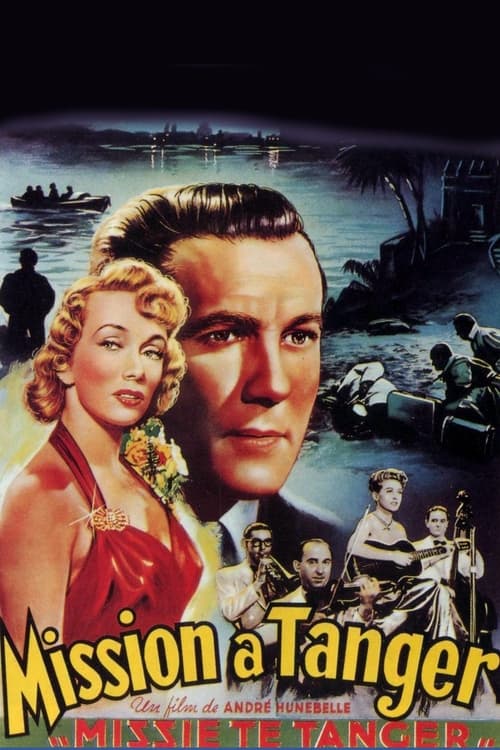
1949

1942
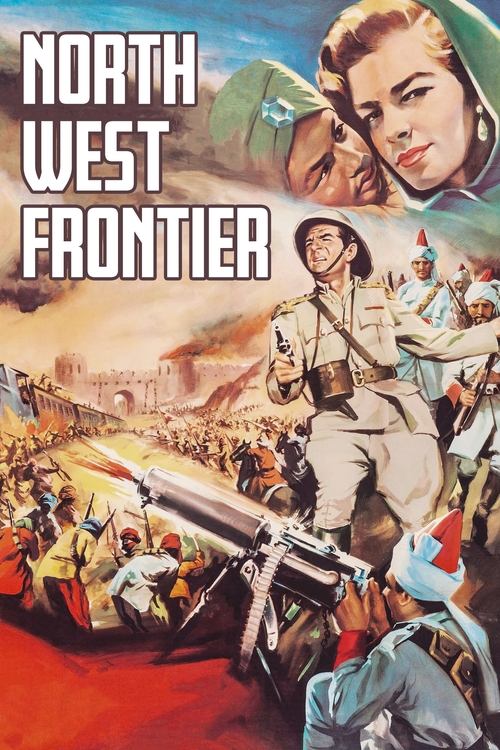
1959

1951

1979
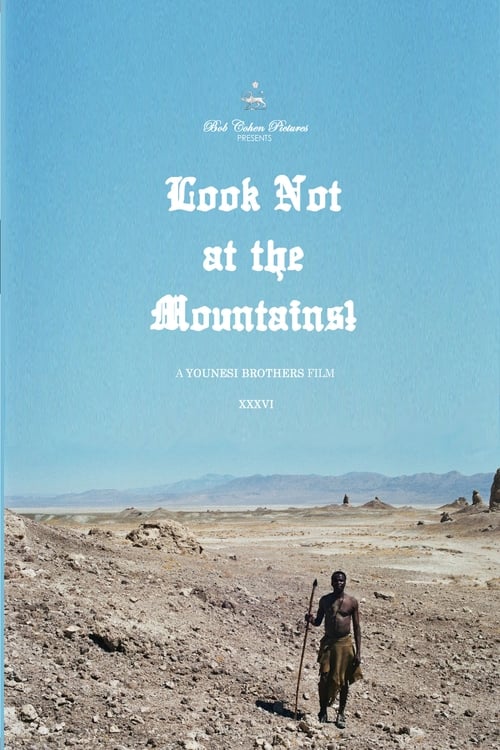
2011
No reviews yet. Be the first to share your thoughts on this movie!
Use the rating form above to leave a star rating and optional review.