The Corsican Brothers
1920
No user ratings available yet
Representation score: 0.4 out of 10
Representation Score
Minimal
1930
PassedDirector
Archie Mayo
Runtime
66 minutes
Average Rating
No ratings yetNew Showbiz Analysis
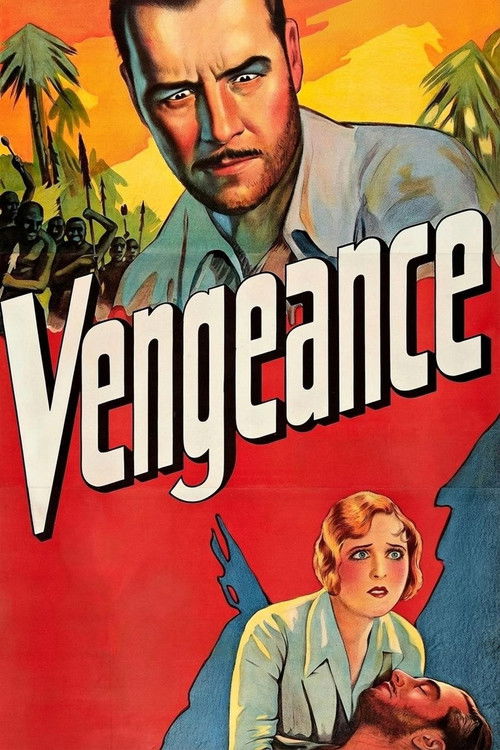
Vengeance (1930) is a period drama that reflects the traditional dynamics of its era. The narrative structure prioritizes Western colonial dynamics and male-driven conflict, offering little disruption to established social hierarchies. The film reinforces the stability of Western institutional presence in overseas territories. By centering the friction between British administrators, the story aligns with the colonialist clichés of the early sound period. Ultimately, the work lacks the intentionality needed to challenge the social constraints of its time, focusing instead on the interpersonal tensions of its white, male protagonists.
Category Breakdown
The film adheres to the conventions of early 1930s cinema, which assume everyone is straight and cisgender. There are no representations of LGBTQ+ individuals or non-cisgender identities.
The story is driven by male antagonists, Meadham and Summers. Margaret Summers appears to have a supportive role rather than being an independent agent.
The narrative centers on British colonial administrators in a West African setting. Indigenous populations are sidelined in favor of Western protagonists.
The story upholds the continuity of British administrative order and colonial commerce. It emphasizes maintaining Western institutional stability in overseas territories.
There are no identifiable depictions of physical or neurodivergent disabilities in the narrative.
Present on Screen
Limited or Absent
Official Synopsis
John Meadham, in charge of a West African trading post, wires the home office in London that he is tired and worn out and that they need to send a replacement to take over. The company sends a stiff upper-lipper, Charles Summers, accompanied by his wife, Margaret. An antagonism develops between the two men from the moment Summers arrives.
1920

1930
1926
1953
1936

1932

1927

1930
No reviews yet. Be the first to share your thoughts on this movie!
Use the rating form above to leave a star rating and optional review.