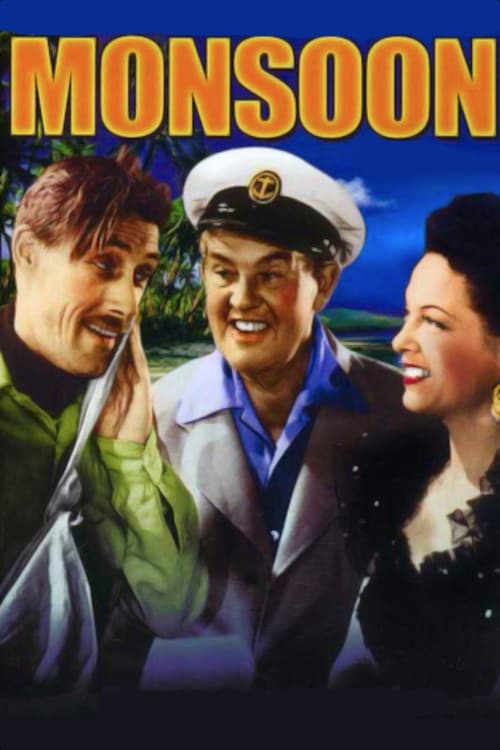
Isle of Forgotten Sins
1943
No user ratings available yet
Representation score: 2.1 out of 10
Representation Score
Minimal
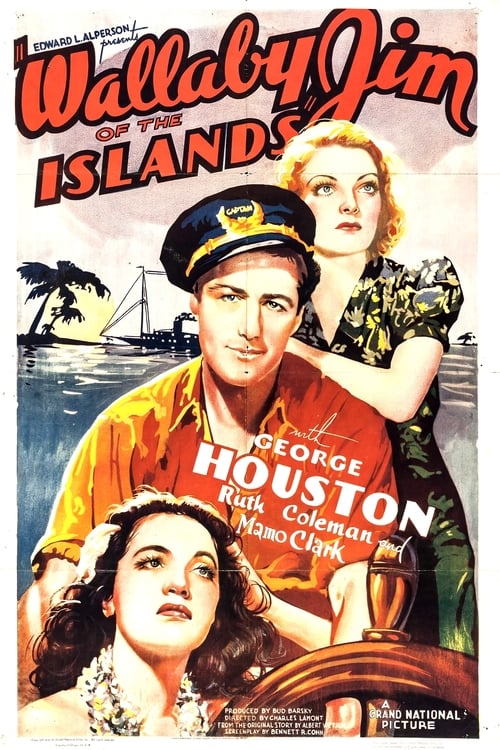
1937
ApprovedDirector
Charles Lamont
Runtime
61 minutes
Average Rating
No ratings yetNew Showbiz Analysis
Wallaby Jim of the Islands is a conventional 1930s adventure film that reflects the era's standard industry practices. The narrative is centered on a male-centric struggle for wealth and dominance, leaving little room for diverse perspectives. The film operates through a colonial lens, where the South Pacific setting serves as a backdrop for Western characters to compete over pearl claims. This structure prioritizes Western ability to act while marginalizing indigenous populations as secondary to the main plot. Ultimately, the film upholds established social hierarchies and lacks multi-layered depth. It functions as a straightforward genre piece that avoids challenging the status quo of its time.
Category Breakdown
The film does not include any LGBTQ+ characters or representations of non-straight relationships. It follows the traditional heterosexual norms of 1930s adventure cinema.
The story centers on a male-dominated adventure involving pearl diving and competition. Women are portrayed in secondary or passive roles within this traditional masculine framework.
Set in the South Pacific, the indigenous characters appear primarily as atmospheric elements rather than active participants in the plot. The central conflict is driven by Western characters within a colonial framework.
The plot emphasizes Western values of individual competition and resource acquisition. It lacks any critique of institutional power or perspectives outside of a standard capitalist struggle.
There are no characters with physical or neurodivergent disabilities in the film. The movie does not feature any notable disability representation.
Present on Screen
Limited or Absent
Official Synopsis
Wallaby Jim and his men have just found a valuable source of pearls in the South Pacific. But Jim's associate Norman has put the whole operation in jeopardy because of his gambling problem. Jim's unscrupulous rival Richter decides to exploit the situation by jumping Jim's claim and trying to take over for himself.
1943
1967
1929
1953
1929
1953
1950
1952
No reviews yet. Be the first to share your thoughts on this movie!
Use the rating form above to leave a star rating and optional review.