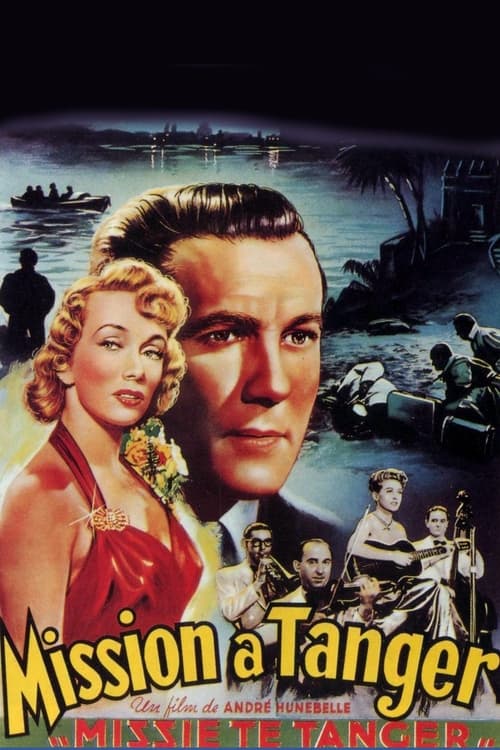
Mission in Tangier
1949
No user ratings available yet
Diversity score: 2.9 out of 10
1949
NRDirector
Richard Thorpe
Runtime
98 minutes
Average Rating
No ratings yetSynopsis
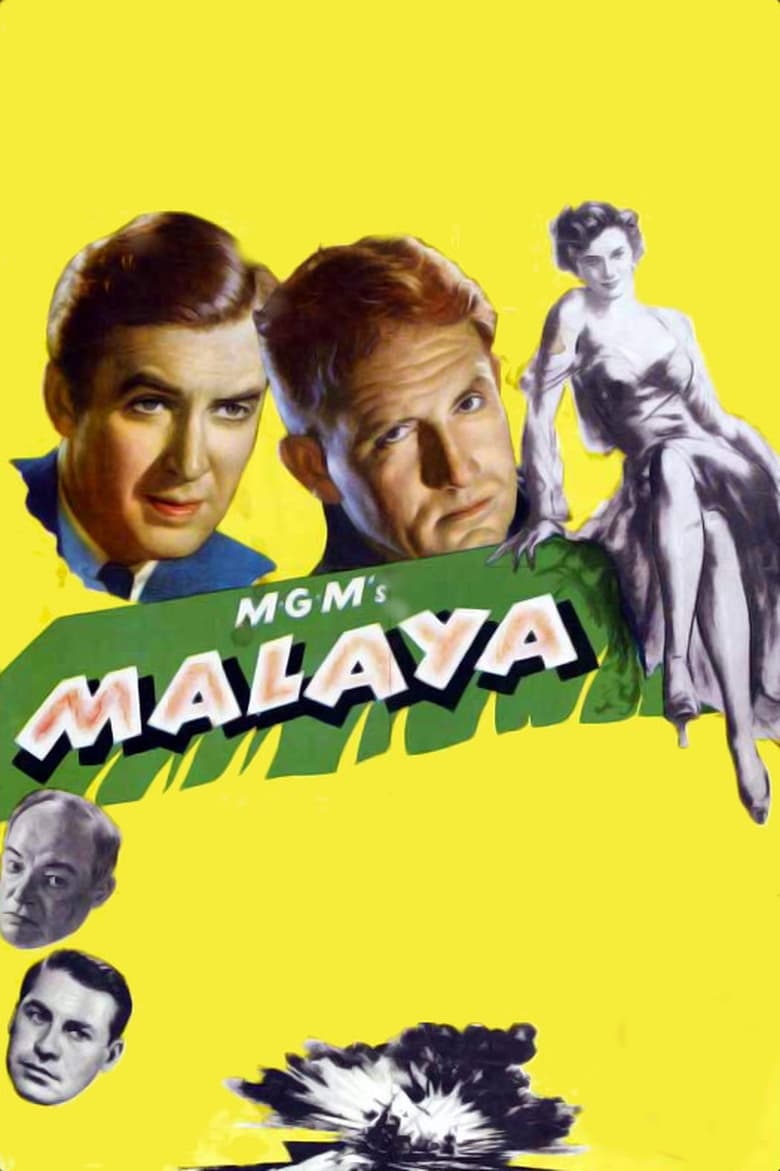
After living abroad for several years, journalist John Royer returns to the United States just after the U.S. enters World War II. His boast that he could easily smuggle rubber, a key wartime natural resource, out of Malaya has him tasked with doing just that. He manages to get someone from his past, Carnaghan, sprung from Alactraz and together they head off to South East Asia posing as Irishmen. Once there, Carnaghan lines up some of his old cronies and with Royer and a few plantation owners plans to smuggle the rubber out from under the Japanese army's watchful eye.
Overall Score
Minimal
Category Breakdown
LGBTQ+ Representation
The film focuses entirely on wartime espionage and resource smuggling. It contains no depictions of non-cisnormative identities or same-sex intimacy.
Gender Representation
Agency is concentrated almost exclusively in male characters like John Royer and Carnaghan. The narrative relies on traditional masculine leadership and physical prowess.
Racial & Ethnic Diversity
While set in Southeast Asia, the story remains centered on white Western protagonists. Local populations serve primarily as environmental elements within a colonial framework.
Religious & Cultural Diversity
The plot reinforces Western economic interests and institutional authority. It frames the conflict through the lens of maintaining order against insurgent forces.
Disability Representation
There is no discernible representation of physical, sensory, or neurodivergent disabilities within the character arcs.
Strengths
Areas for Improvement
AI Analysis
Malaya is a quintessential mid-century adventure drama that prioritizes narrative momentum and conventional heroism. The film functions as a product of the studio system, reinforcing established social and racial hierarchies rather than subverting them. The story centers on Western wartime objectives, specifically the smuggling of rubber to support the U.S. effort. This focus positions Western colonial interests as the moral center of the film, with local populations relegated to the background. Ultimately, the film offers a traditional perspective on masculinity and authority. It lacks any significant exploration of intersectional identities or diverse social perspectives.
1949
1952
1944
1939
1943
1937
1945
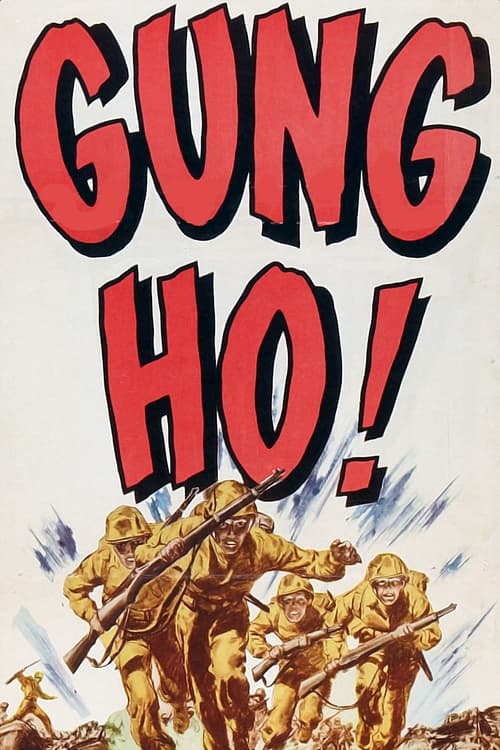
1943
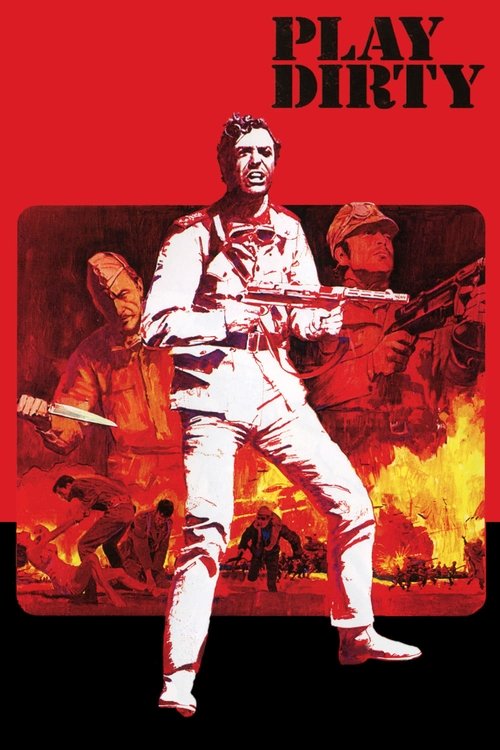
1969
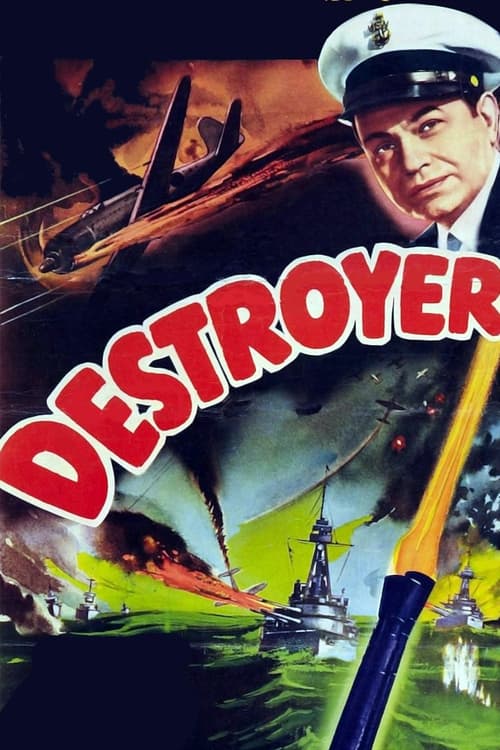
1943

1959
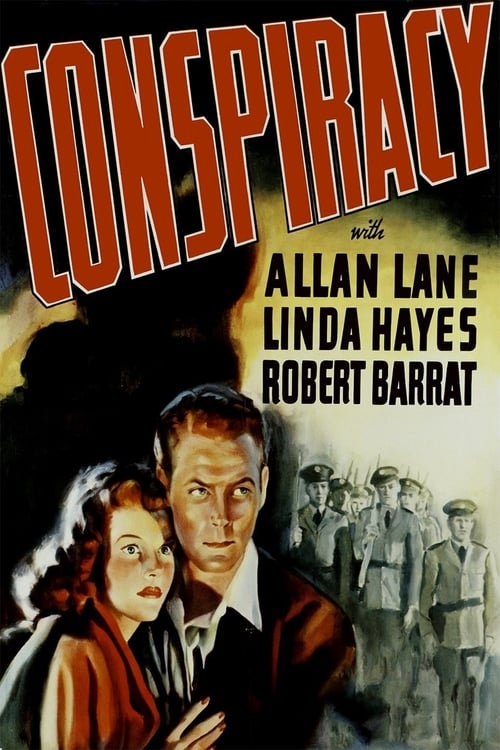
1939
No reviews yet. Be the first to share your thoughts on this movie!
Use the rating form above to leave a star rating and optional review.