
The Lives of a Bengal Lancer
1935
No user ratings available yet
Representation score: 0.6 out of 10
Representation Score
Limited
1955
NRDirector
Terence Young, Zoltan Korda
Runtime
107 minutes
Average Rating
No ratings yetNew Showbiz Analysis
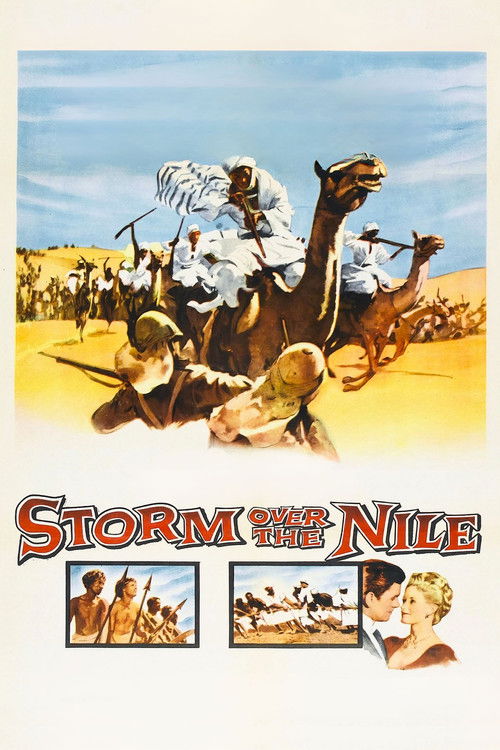
Storm Over the Nile is a sophisticated historical drama that deviates from the typical mid-century adventure genre. It shifts focus away from a purely Western perspective by examining the deconstruction of colonial dominance. The film effectively highlights the tension between the British Empire and the native population to critique imperial power. This provides a nuanced exploration of the systemic conflicts of the time. However, the film adheres to traditional gender roles and lacks representation for LGBTQ+ individuals or those with disabilities.
Category Breakdown
The film centers on traditional heterosexual relationships and social contracts. There are no characters with LGBTQ+ identities or queer narratives in the story.
Men play key roles in driving the main conflicts related to honor and military service. Mary Burroughs influences the protagonist's journey by ending her engagement, but her role is limited to being a catalyst for his development.
The film challenges typical colonial narratives by highlighting the tension between British rule and Egyptian nationalism. It features an Egyptian cast that offers perspectives outside the Anglo-Saxon norm.
The movie addresses post-colonial themes by showing the British administration as an oppressive force. It portrays Islamic culture and frames the nationalist uprising as a justified fight for independence.
There are no visible representations of physical or neurodivergent disabilities in the story.
Present on Screen
Limited or Absent
Official Synopsis
In 1885, while his regiment is sent to the Sudan to battle the rebellious Dervish tribes, British Lieutenant Harry Faversham resigns his officer's commission in order to remain with his fiancée Mary Burroughs in England. His friends and fellow officers John Durrance, Peter Burroughs and Tom Willoughby brand him a coward and present him with the white feathers of cowardice. His fiancée, Mary, adds a fourth feather and breaks off their engagement. However, former Lieutenant Faversham decides to regain his honor by fighting in the Sudan incognito.
1935
1939
1978
1939
1964
1943
1929
1966
No reviews yet. Be the first to share your thoughts on this movie!
Use the rating form above to leave a star rating and optional review.