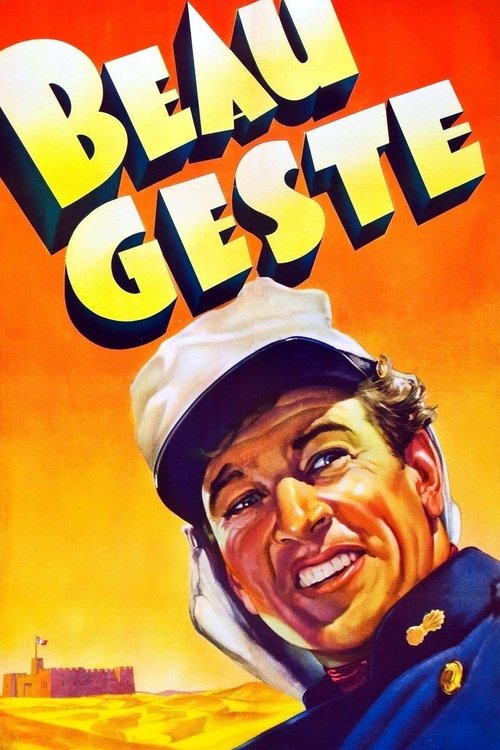
Beau Geste
1939
No user ratings available yet
Representation score: 0.3 out of 10
Representation Score
Minimal
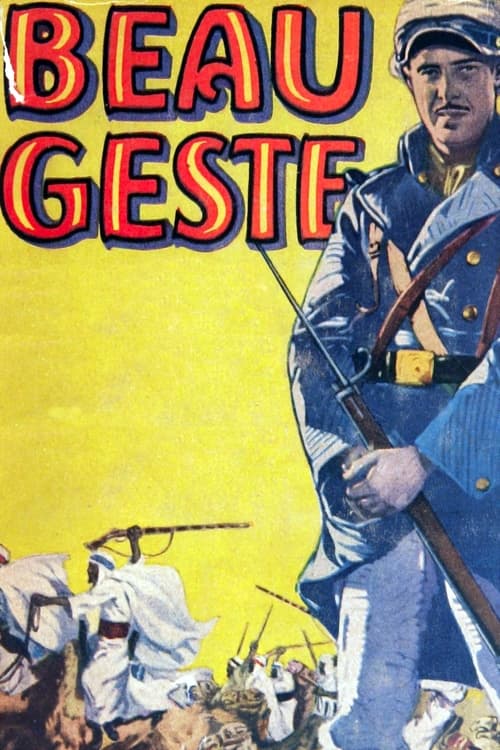
1926
NRDirector
Herbert Brenon
Runtime
101 minutes
Average Rating
No ratings yetNew Showbiz Analysis
Beau Geste is a classic example of the 1920s silent era, emphasizing traditional adventure and reinforcing established social and colonial hierarchies. The narrative structure centers on Western concepts of honor and masculinity. The film lacks diversity in its portrayal of race and gender, focusing primarily on the experiences of European soldiers. Indigenous groups are presented mainly as atmospheric elements or sources of conflict. Overall, the film maintains a singular moral framework centered on Western chivalry without challenging the conventional social orders of its time.
Category Breakdown
The film adheres to traditional heterosexual relationships and does not include any LGBTQ+ themes or non-binary gender identities.
The story emphasizes masculine ideals such as chivalry and military duty. Lady Désirée's role is mostly reactive, focusing on being protected rather than taking an active part in the plot.
The film reflects a colonial perspective with a predominantly white European cast. Indigenous populations are used as background elements or sources of conflict rather than developed characters.
The narrative highlights Western values like honor and military discipline. It portrays these values positively without questioning the underlying institutions.
There are no significant representations of visible or invisible disabilities. Characters are portrayed as physically fit for military service.
Present on Screen
Limited or Absent
Official Synopsis
Brothers Beau, John and Digby Geste join the Foreign Legion, where they fall under the rule of tyrannical Sergeant Markoff. Beau and John are assigned to Fort Zinderneuf, where Markoff tries to break their spirit, aware of a dark family secret concerning a fabulous jewel one of them carries. As tensions rise, Arabs attack the fort and rivalries must be thrown aside in a desperate battle for life.
1939

1939

1966

1939

1953
1943
1920
1998
No reviews yet. Be the first to share your thoughts on this movie!
Use the rating form above to leave a star rating and optional review.