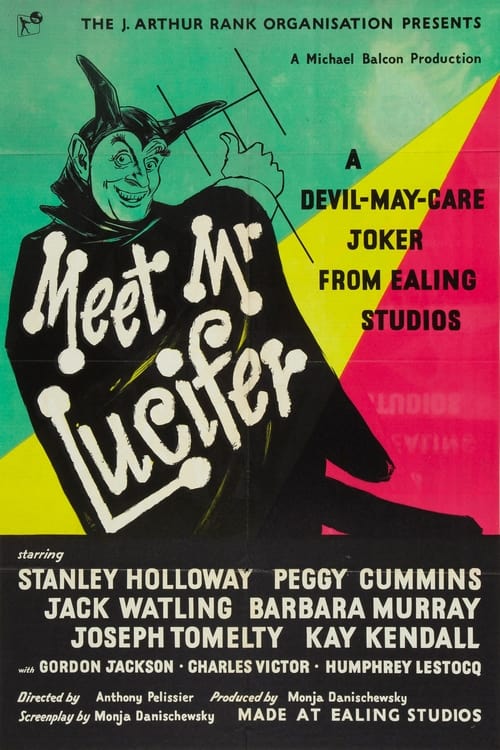
Meet Mr. Lucifer
1953
No user ratings available yet
Diversity score: 3.0 out of 10
1936
Director
Henryk Szaro
Runtime
85 minutes
Average Rating
No ratings yetSynopsis
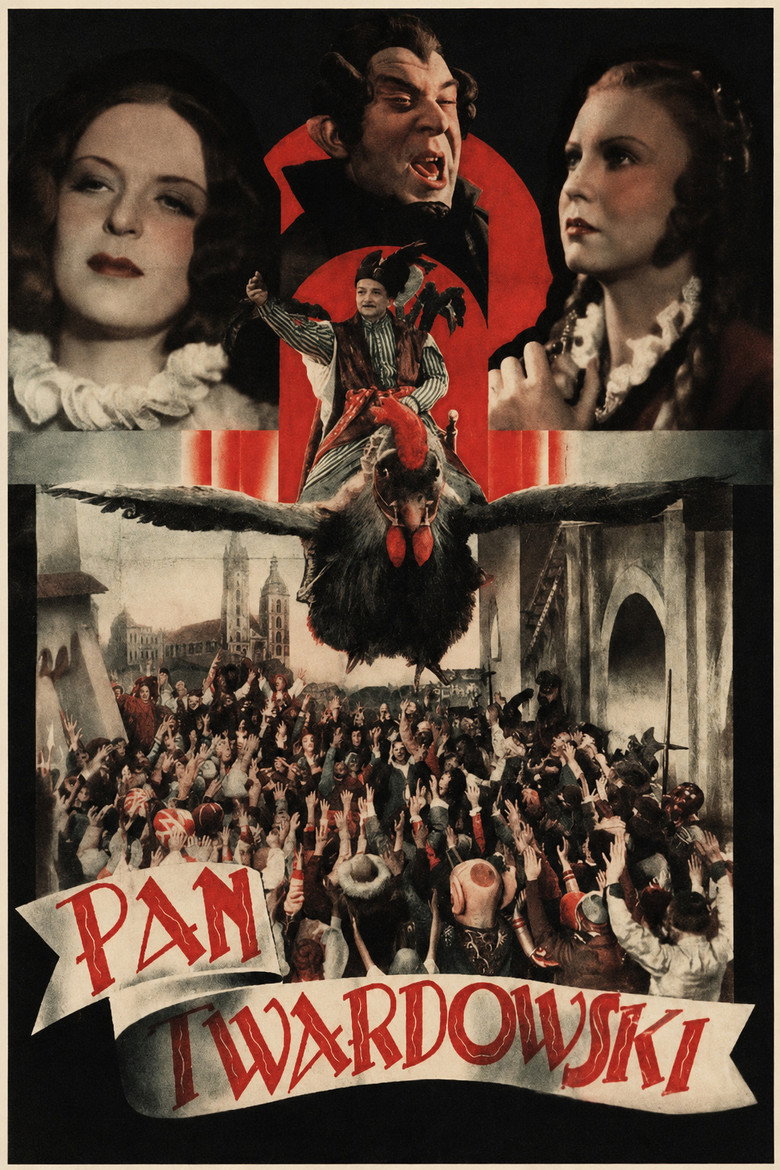
A young nobleman, pursued by Satan since childhood, yields and signs a pact for his soul in exchange for marriage to a woman he loves who is in love with another.
Overall Score
Limited
Category Breakdown
LGBTQ+ Representation
The film lacks any evidence of non-heteronormative identities. The narrative focuses on a traditional romantic pursuit within the strict social structures of 1930s Polish cinema.
Gender Representation
The female protagonist serves primarily as a catalyst for the male lead's actions. She functions within conventional romantic tropes rather than demonstrating agency outside of her role as a love interest.
Racial & Ethnic Diversity
The cast is ethnically homogeneous, reflecting the film's focus on 16th-century Polish nobility. It functions as a celebration of specific national folklore without broader racial diversity.
Religious & Cultural Diversity
The story reinforces traditional morality through a classic struggle between the soul and the supernatural. It utilizes established religious hierarchies to drive its fantasy elements rather than critiquing them.
Disability Representation
There are no documented visible or invisible disabilities central to the character arcs or plot progression.
Strengths
Areas for Improvement
AI Analysis
Mr. Twardowski is a traditionalist period fantasy that prioritizes national myth over the subversion of identity-based hierarchies. The film adheres strictly to the cultural and social norms of its era, focusing on 16th-century Polish folklore. The narrative architecture is built around established social structures and religious morality. While it provides historical immersion, it offers minimal intersectional representation, as the characters and conflicts remain within very narrow, traditional bounds. Ultimately, the film serves as a celebration of specific national legends rather than a platform for diverse social perspectives.
1953

1949
1905
1987

1953
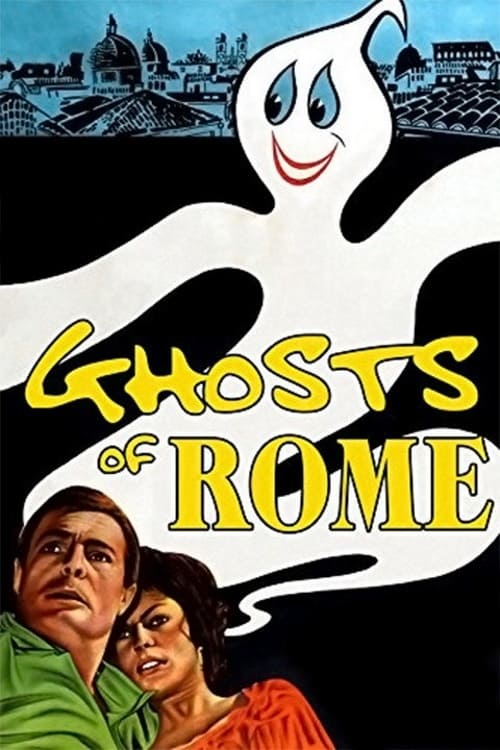
1961
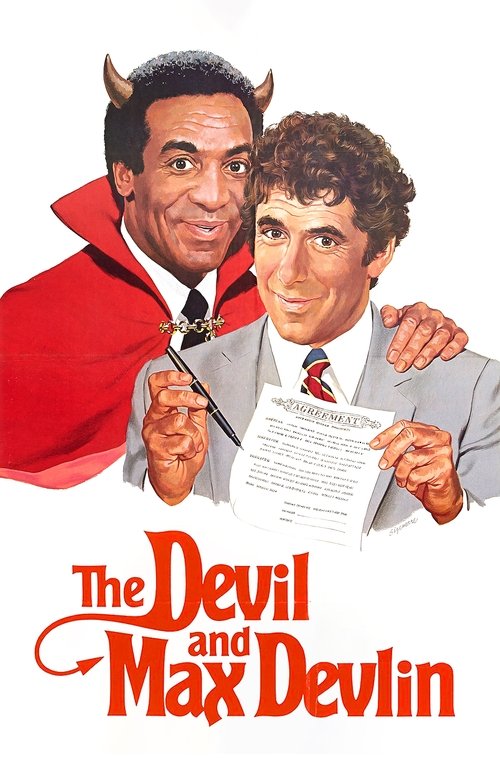
1981
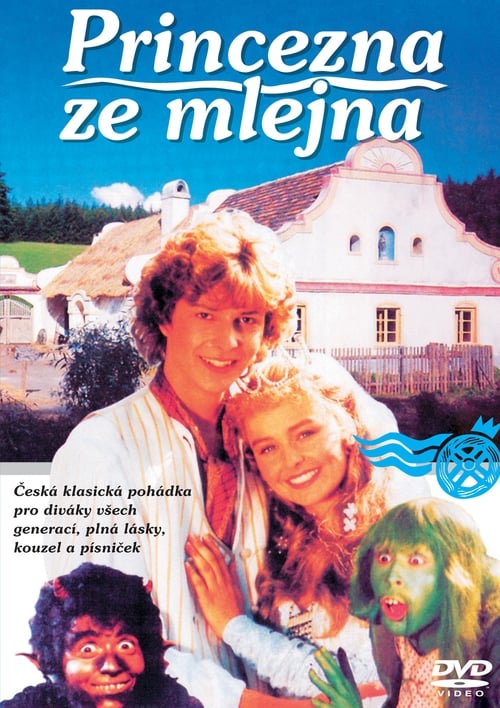
1994
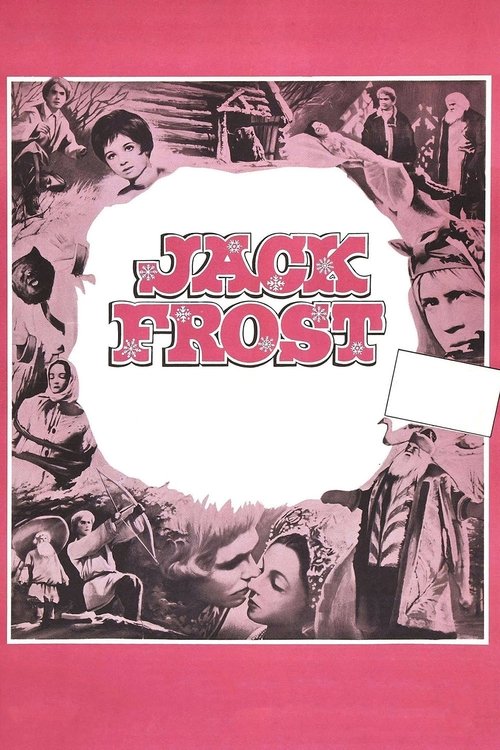
1965

1987
1978

1957
No reviews yet. Be the first to share your thoughts on this movie!
Use the rating form above to leave a star rating and optional review.