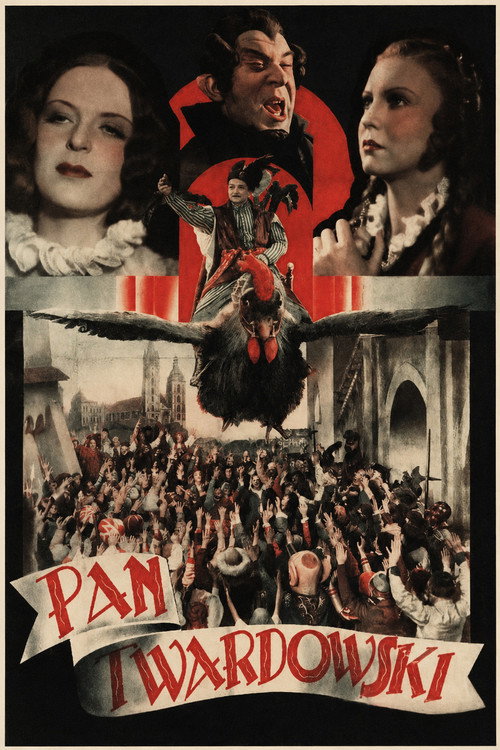
Mr. Twardowski
1936
No user ratings available yet
Representation score: 0.8 out of 10

Representation Score
Minimal
1949
ApprovedDirector
Steno, Mario Monicelli
Runtime
97 minutes
Average Rating
No ratings yetNew Showbiz Analysis
Fame and the Devil is a mid-century comedy that adheres closely to the social and demographic norms of its time. The plot is driven by a male-centric pursuit of status and romance, which limits the ability to act of female characters and keeps the focus on traditional gender roles. While the film offers some intellectual depth through its exploration of morality and the Faustian bargain, it does not extend this complexity to diverse identities. The narrative structure relies on established European clichés rather than challenging the status quo. Ultimately, the film functions as a genre piece that reflects the era's homogeneity. It lacks the systemic critique or diverse representation necessary to move beyond conventional mid-century storytelling.
Category Breakdown
The film does not include any LGBTQ+ identities or same-sex relationships. It focuses solely on heterosexual relationships and the pursuit of a romantic interest.
The story centers around a male-driven quest, positioning women as objects of desire rather than active participants. This reinforces traditional gender roles where women serve as catalysts for male action.
Reflecting the demographic homogeneity of 1949 Italy, the film lacks diverse casting. It presents a traditional, homogeneous portrayal of the era.
The film uses Western Faustian clichés to explore moral relativism and human desire. While it critiques moral absolutes, it remains rooted in European storytelling structures.
There is no indication of characters with visible or invisible disabilities. The narrative does not address disability representation.
Present on Screen
Limited or Absent
Official Synopsis
Three men consider selling their souls to Satan in order to possess a beautiful woman.
1936
1960
1981
1988
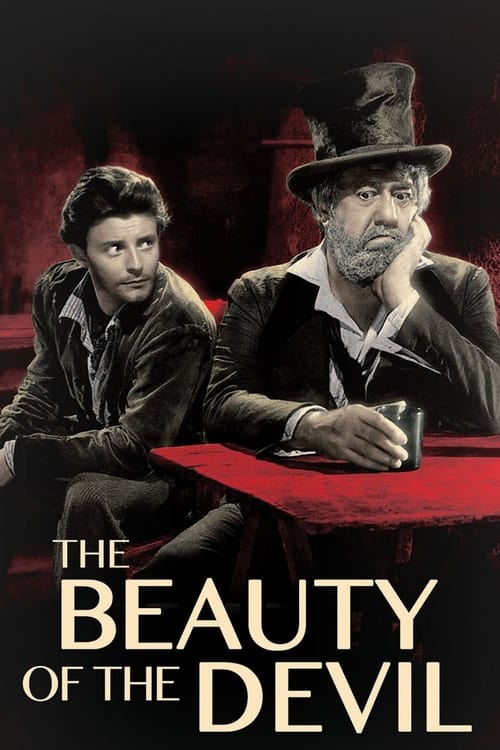
1950

1967
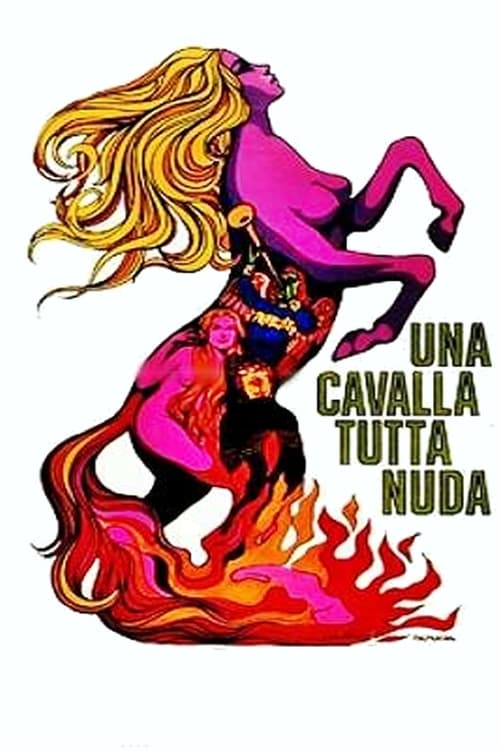
1972
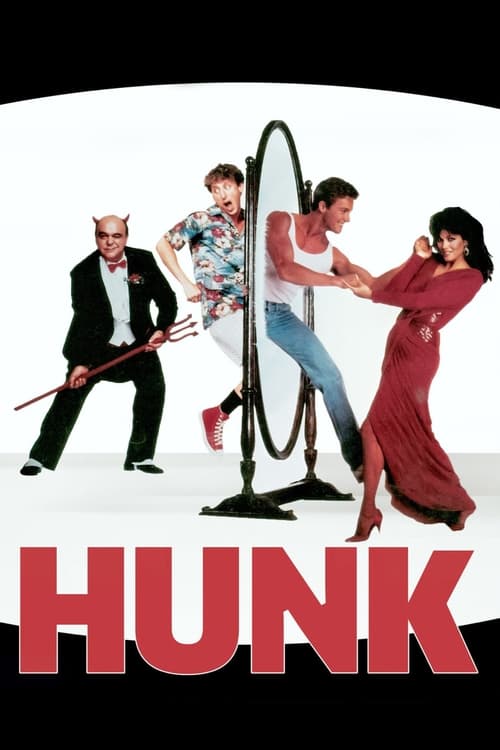
1987
No reviews yet. Be the first to share your thoughts on this movie!
Use the rating form above to leave a star rating and optional review.