
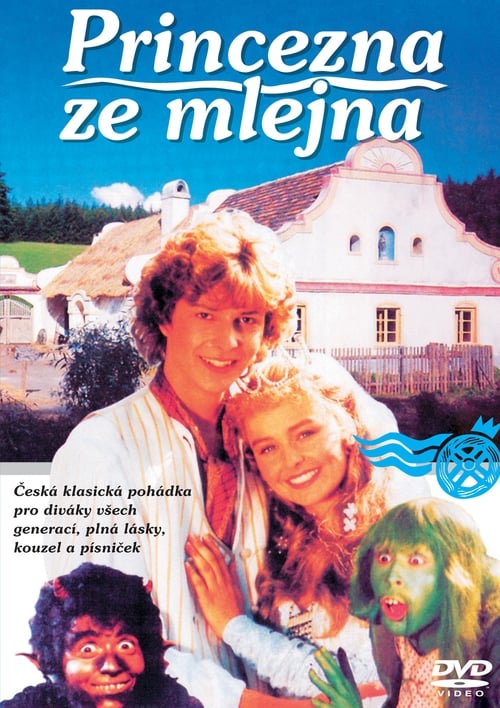
The Watermill Princess 2
2000
No user ratings available yet
Representation score: 2.5 out of 10
Representation Score
Minimal
1994
Director
Zdeněk Troška
Runtime
99 minutes
Average Rating
No ratings yetNew Showbiz Analysis
The Watermill Princess operates as a traditional folk fantasy that prioritizes classic storytelling over social deconstruction. It relies heavily on established fairy-tale clichés, particularly those involving courtship and gendered power dynamics. The film maintains a very traditional approach, focusing on a localized South Bohemian setting. This results in a lack of diverse representation, keeping the narrative within a homogeneous folkloric framework. Ultimately, the film provides a cohesive genre piece but fails to challenge social hierarchies or offer diverse perspectives.
Category Breakdown
The film follows a strictly heterosexual romantic storyline. There are no characters representing LGBTQ+ identities or non-cisgender identities.
Eliška asserts herself by rejecting suitors, but the plot revolves around male competition. She often serves as a romantic prize within traditional courtship structures.
The cast and characters appear ethnically uniform. The narrative focuses on European folklore without showcasing a multicultural environment.
The story is deeply rooted in traditional Western folklore and village life. It emphasizes traditional romantic resolutions without critiquing social or magical hierarchies.
There are no visible or invisible disabilities central to the characters' stories. The narrative does not address any issues related to disability or marginalization.
Present on Screen
Limited or Absent
Official Synopsis
In a South Bohemian village in the middle of silver ponds and dark forests lives Jindřich (Radek Valenta), who one day goes out into the world with a firm decision to free the cursed princess. On the way, he reaches a haunted mill, where the beautiful Eliška (Andrea Černá) lives with her father. Eliška likes the young man, so she tells him that the cursed princess is in the pond and Jindřich remains in the mill as a helper. However, the devil and the waterman, who like Eliška, don't like that. With the help of various intrigues and incantations, they try to expel Jindřich from the mill, but soon a third groom appears there - an old rich man. However, since Eliška rejects all the suitors, the miller's father gets angry and gives her an ultimatum: either she chooses a suitor herself by the full moon, or the one who asks for her hand first gets her. So a fight ensues between the grooms...
2000
1965
1999
1973
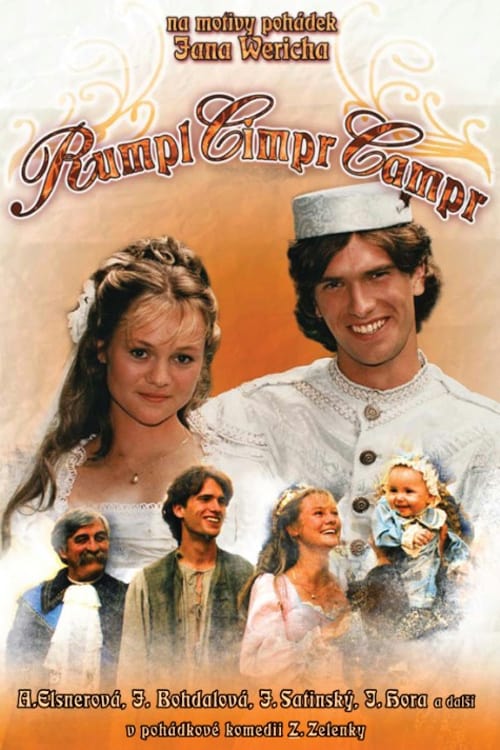
1997
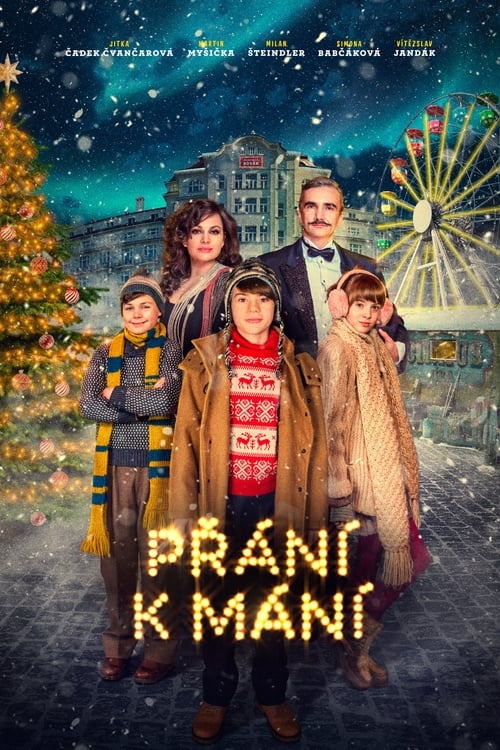
2017
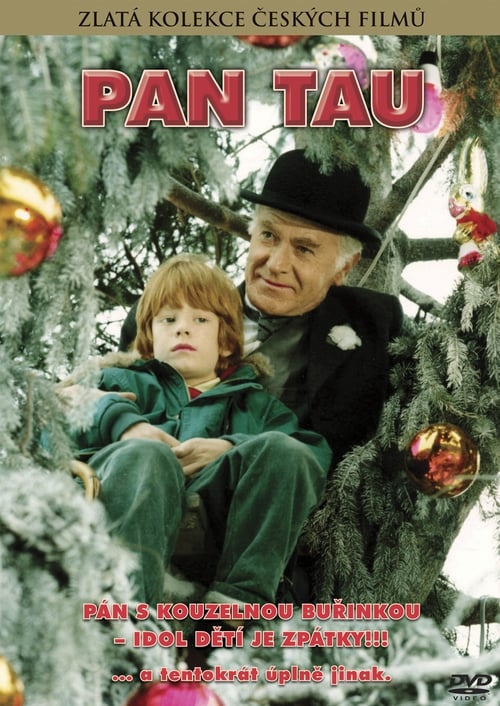
1988
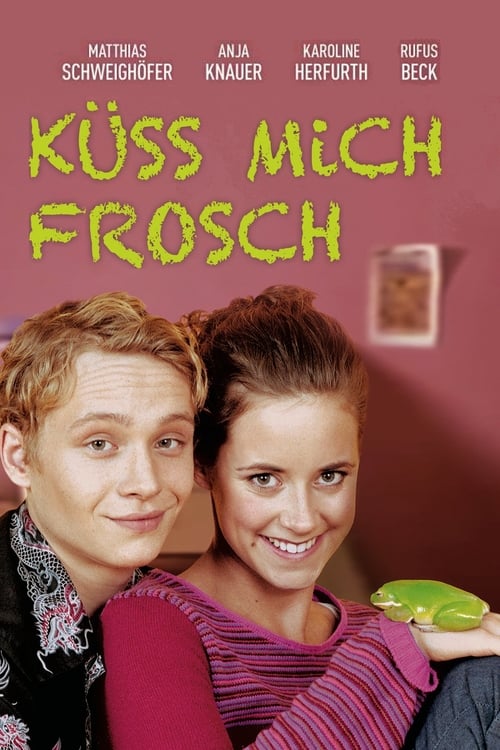
2000
No reviews yet. Be the first to share your thoughts on this movie!
Use the rating form above to leave a star rating and optional review.