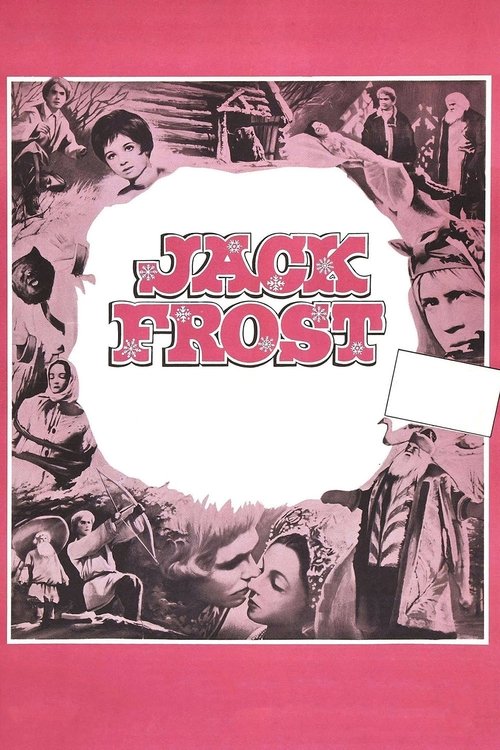
Father Frost
1965
No user ratings available yet
Diversity score: 3.4 out of 10
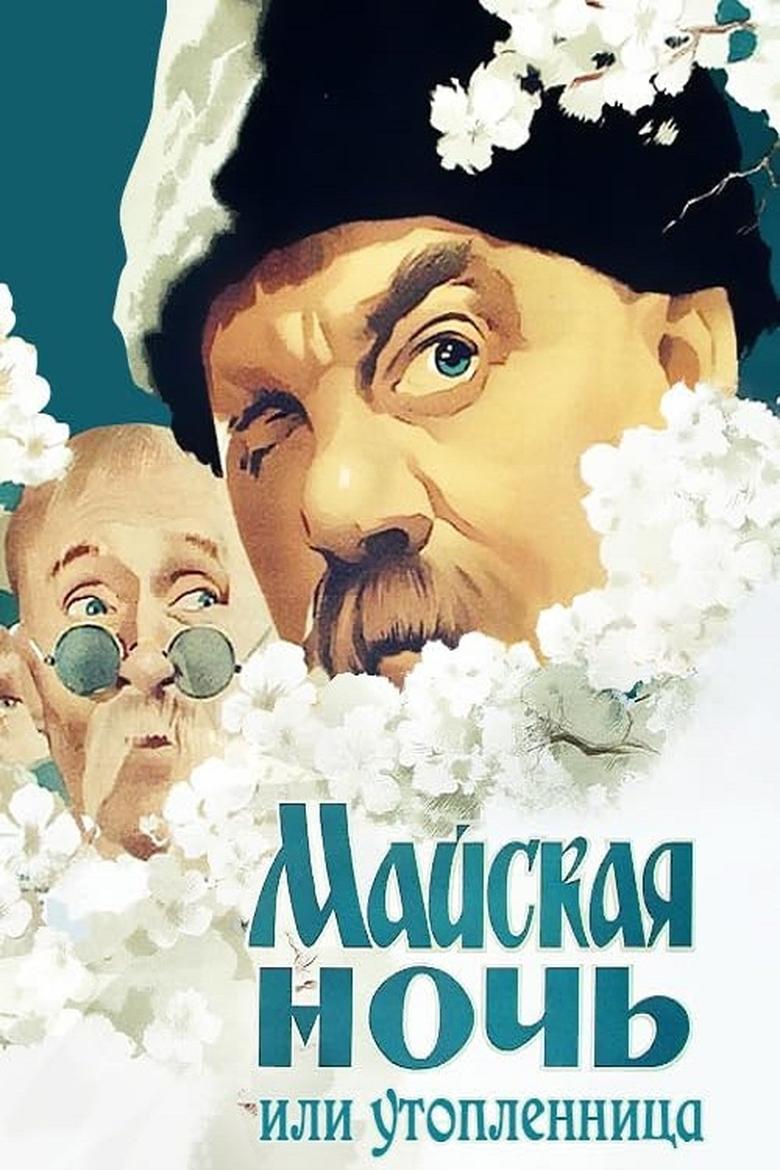
1953
Director
Aleksandr Rou
Runtime
61 minutes
Average Rating
No ratings yetSynopsis
The son of an obstinate mayor cannot get his father's consent to wed the beautiful Hanna. He receives unexpected assistance from evil, mysterious forces – Satan, witches, and rusalki – who work together to bring the couple happiness, bringing mayhem and celebration.
Overall Score
Fair
Category Breakdown
LGBTQ+ Representation
The story focuses on a traditional romantic pairing between the protagonist and Hanna. There is no evidence of non-heteronormative identities or queer subtext within the narrative.
Gender Representation
The film disrupts patriarchal authority by using supernatural forces to undermine the obstinate mayor. This allows the protagonists' romantic agency to supersede rigid, male-dominated social hierarchies.
Racial & Ethnic Diversity
The cast and setting are culturally homogeneous, reflecting the Soviet cinematic focus on Slavic folklore. It celebrates regional ethnic identity rather than pursuing multi-ethnic or globalized diversity.
Religious & Cultural Diversity
The narrative challenges moral binaries by framing supernatural forces as catalysts for happiness. It prioritizes individual fulfillment over the preservation of traditional social or familial institutions.
Disability Representation
There is no discernible evidence regarding the portrayal of physical or neurodivergent disabilities in the film.
Strengths
Areas for Improvement
AI Analysis
Aleksandr Rou’s fantasy comedy uses Slavic mythos to explore the tension between individual agency and institutional authority. The film succeeds in subverting traditional hierarchies by employing supernatural chaos to dismantle the rigid social order of the village establishment. However, the work remains limited by the era's conventions. It lacks modern intersectional markers, specifically regarding LGBTQ+ representation and racial diversity, focusing instead on a culturally homogeneous Slavic setting. Ultimately, the film is a study of moral relativism. By using witches and rusalki to bypass the mayor's dictates, it elevates personal desire over the strictures of traditional patriarchal leadership.
1965
1973
1958
1949
1981
1936
1905

1959
1981
2000

1987
1957
No reviews yet. Be the first to share your thoughts on this movie!
Use the rating form above to leave a star rating and optional review.