El retrato
1947
No user ratings available yet
Representation score: 4.7 out of 10
Representation Score
Limited
1957
Director
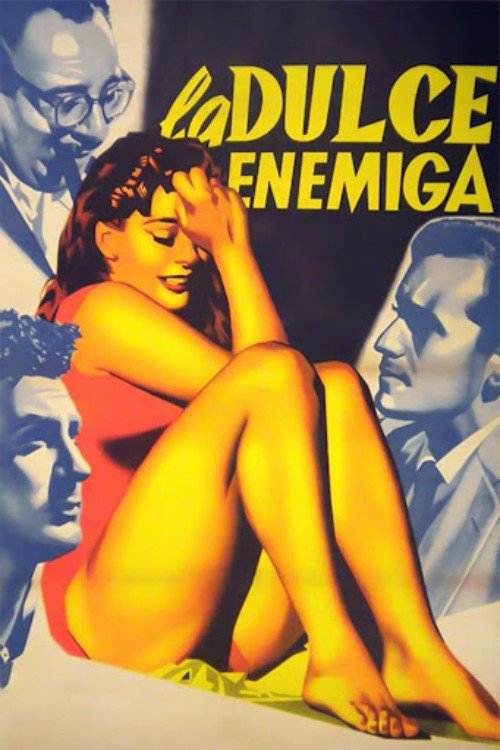
Tito Davison
Runtime
95 minutes
Average Rating
No ratings yetNew Showbiz Analysis
La dulce enemiga explores mid-century gender roles through its strong female lead. By portraying the femme fatale, the film empowers the woman and challenges the passive feminine stereotypes of the era. However, the film stays within the traditional social norms of 1957. It centers on heterosexual romance and lacks visible diversity in race, ethnicity, or LGBTQ+ identities. The use of ghosts as narrators adds a unique storytelling element, but the film doesn't offer the layered complexity needed for a higher diversity rating.
Category Breakdown
The film doesn't show any non-traditional gender identities or same-sex relationships. It focuses on a femme fatale and her lovers, which follows a traditional heterosexual framework.
The main character acts as a femme fatale, giving her significant control over the story. This role challenges the passive feminine stereotypes of the time.
There is no information about the ethnic makeup of the cast or setting. The score reflects typical demographics for films made in 1957.
The film uses ghosts to introduce a subjective sense of morality. However, it doesn't show any clear secular or anti-Western views.
The film doesn't include any characters with physical or mental disabilities.
Present on Screen
Limited or Absent
Official Synopsis
The story of a femme fatale whose adventures are narrated in flashbacks by the ghosts of her former lovers.
1947
1976
1969
1993
1937
1951
1955
1965
No reviews yet. Be the first to share your thoughts on this movie!
Use the rating form above to leave a star rating and optional review.