
Hunk
1987
No user ratings available yet
Representation score: 2.8 out of 10
Representation Score
Limited
1981
PGDirector
Steven Hilliard Stern
Runtime
96 minutes
Average Rating
No ratings yetNew Showbiz Analysis
The film stands out for its progressive casting in the early 1980s, featuring a Black actor in a high-status role. This subverts the era's typical racial hierarchies by giving Max Devlin significant influence and power. However, the film remains rooted in traditional social structures. Gender and romantic dynamics follow conventional patterns, and the narrative lacks representation for LGBTQ+ identities or disability-related themes. Ultimately, while the film challenges racial stereotypes, its reliance on traditional moralizing and conventions that assume everyone is straight limits its broader impact.
Category Breakdown
The film does not include any LGBTQ+ characters or explore non-straight relationships. The romantic plot focuses on the protagonist's relationship with a female love interest.
Gender roles in the film remain traditional. Female characters mainly serve as emotional support or romantic partners rather than playing key roles in the supernatural conflict.
The film breaks 1981 casting conventions by featuring a Black actor in a leading role. Max Devlin is a wealthy real estate developer with significant influence and control over events.
The story criticizes excessive materialism by portraying the pursuit of wealth as spiritually bankrupt. It uses religious symbols to encourage moral growth and human connection over material success.
There are no prominent portrayals of physical or neurodivergent disabilities. Characters with disabilities are not central to the narrative.
Present on Screen
Limited or Absent
Official Synopsis
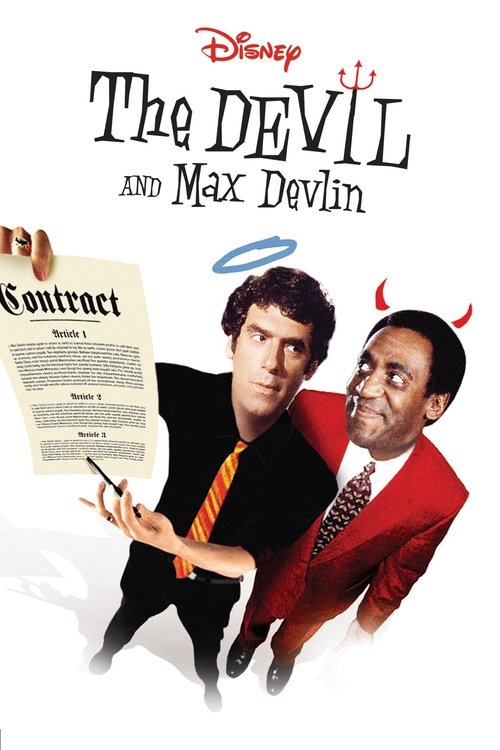
When Max dies in an accident, he goes straight to Hell. But the Devil Barney makes him an offer: if he manages to get three innocent youths to sell him their souls in the next two months, he may stay on Earth. Max accepts, and returns to Earth, equipped with special powers. However, his task is harder than expected, especially when seven year old Tobi demands that he marry his mother.
1987

1985

1949

1967
1946
1992
1936

2000
No reviews yet. Be the first to share your thoughts on this movie!
Use the rating form above to leave a star rating and optional review.