Hunk
1987
No user ratings available yet
Diversity score: 3.2 out of 10
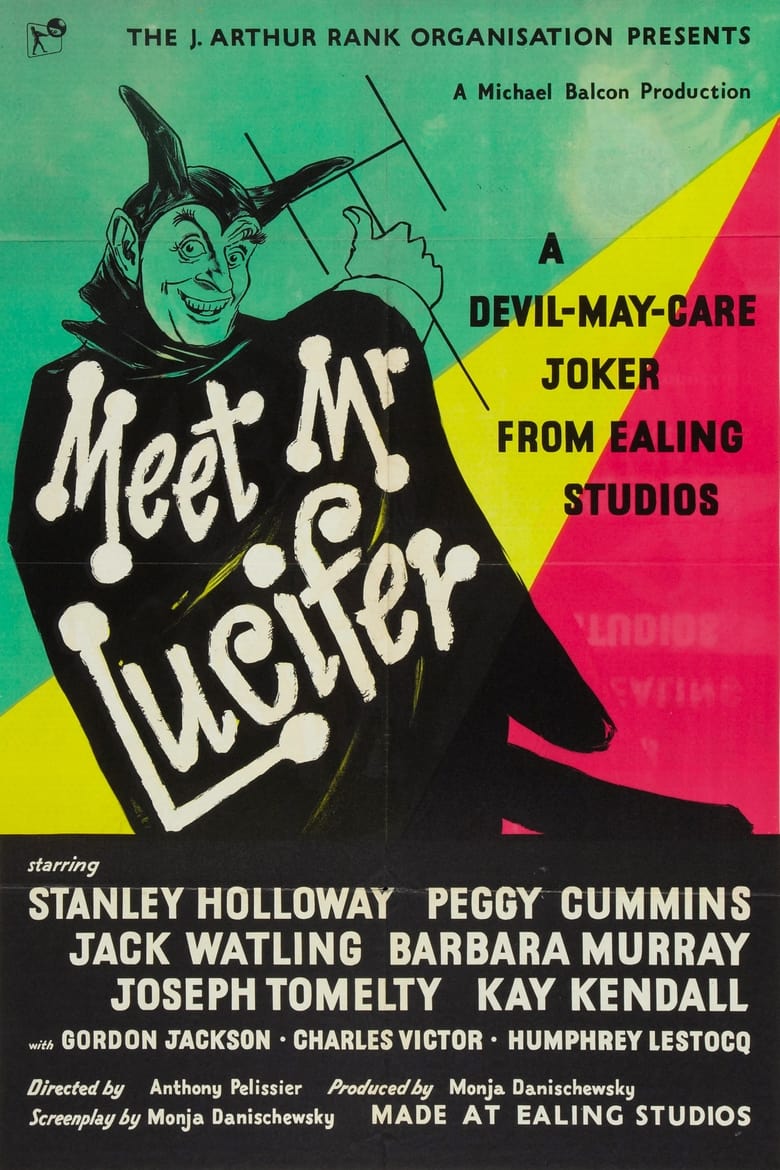
1953
Director
Anthony Pelissier
Runtime
83 minutes
Average Rating
No ratings yetSynopsis
A TV set given as a retirement present is sold on to different households causing misery each time.
Overall Score
Limited
Category Breakdown
LGBTQ+ Representation
The film adheres to the heteronormative standards of 1953. There is no evidence of same-sex intimacy or non-cisnormative gender identities within the narrative.
Gender Representation
Character roles likely rely on traditional domesticity and mid-century social structures. The film lacks evidence of women exercising agency that disrupts established masculine hierarchies.
Racial & Ethnic Diversity
The production reflects the homogeneous social compositions of the early 1950s. There is no indication of a diverse cast that challenges Anglo-centric norms.
Religious & Cultural Diversity
The story uses a cursed object to reinforce traditional morality and singular religious frameworks. It functions as a cautionary tale consistent with mid-century social values.
Disability Representation
The narrative provides no information regarding the inclusion or portrayal of characters with physical or neurodivergent disabilities.
Strengths
Areas for Improvement
AI Analysis
Meet Mr. Lucifer is a product of its era, functioning strictly within the conventional social and narrative frameworks of the early 1950s. The film reinforces established hierarchies rather than attempting to subvert them. The story focuses on moral causality through a cursed object, a trope that typically upholds traditional Western values. This approach lacks the intersectional depth required to challenge the period's social norms. Ultimately, the film serves as a snapshot of mid-century British television, characterized by a lack of diverse representation and a reliance on homogeneous social compositions.
1987
1906
1900

1969
1936
1980

1958

1949
1961
1909
1905

1961
No reviews yet. Be the first to share your thoughts on this movie!
Use the rating form above to leave a star rating and optional review.