
The Only Way
1970
No user ratings available yet
Diversity score: 5.6 out of 10
1996
Director
Márta Mészáros
Runtime
110 minutes
Average Rating
No ratings yetSynopsis
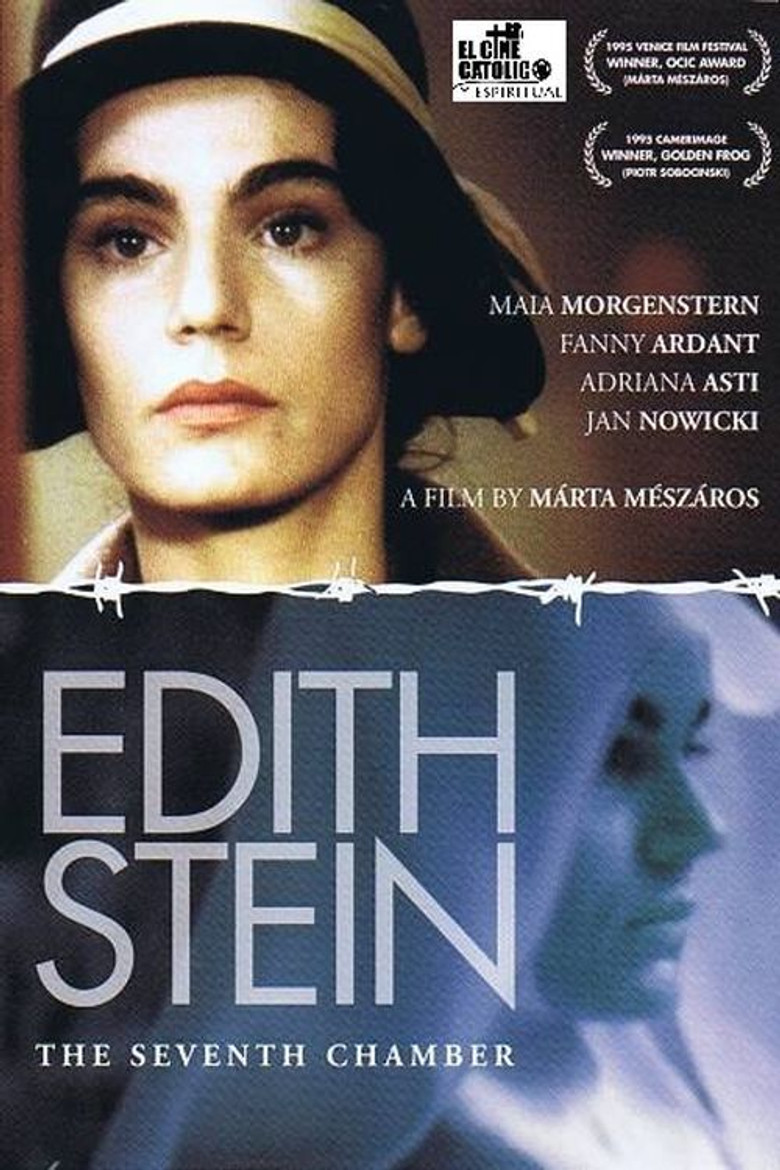
An expressionist biography of Edith Stein, who converted from the Jewish faith to the Catholic one and became a Carmelite sister. She would die in a German concentration camp.
Overall Score
Good
Category Breakdown
LGBTQ+ Representation
The film focuses on the spiritual and philosophical evolution of Edith Stein. There is no explicit evidence of LGBTQ+ themes or non-cisnormative identities within the narrative.
Gender Representation
The film disrupts traditional hierarchies by centering a female protagonist's intellectual and spiritual agency. It elevates female autonomy by portraying a woman navigating complex theological and political landscapes.
Racial & Ethnic Diversity
The narrative explores the Jewish experience and the profound impact of the Holocaust. It examines ethnic vulnerability and the agency of characters within a framework of systemic persecution.
Religious & Cultural Diversity
The story engages with the tensions of religious conversion between Judaism and Catholicism. It critiques how institutions can become tools of oppression through state-sponsored intolerance.
Disability Representation
There is no specific evidence regarding the portrayal of physical or mental disabilities in this biographical drama.
Strengths
Areas for Improvement
AI Analysis
The Seventh Room is a sophisticated biographical study that centers the intellectual agency of a woman caught in the machinery of systemic persecution. It successfully deconstructs how institutional power impacts individual identity through the lens of historical trauma. The film excels at portraying the intersection of religious and ethnic affiliations. By focusing on Edith Stein's conversion and subsequent persecution, it provides a nuanced look at the consequences of state-sponsored intolerance. However, the narrative's focus remains strictly on spiritual and ethnic identity. It does not explore queer narratives or provide representation for individuals with disabilities.
1970

2010
1987
2001

1983

1960

2003

1973

1992

1960
2012

2011
No reviews yet. Be the first to share your thoughts on this movie!
Use the rating form above to leave a star rating and optional review.