Infiltrators
2012
No user ratings available yet
Representation score: 8.8 out of 10
Representation Score
Excellent
2004
Director
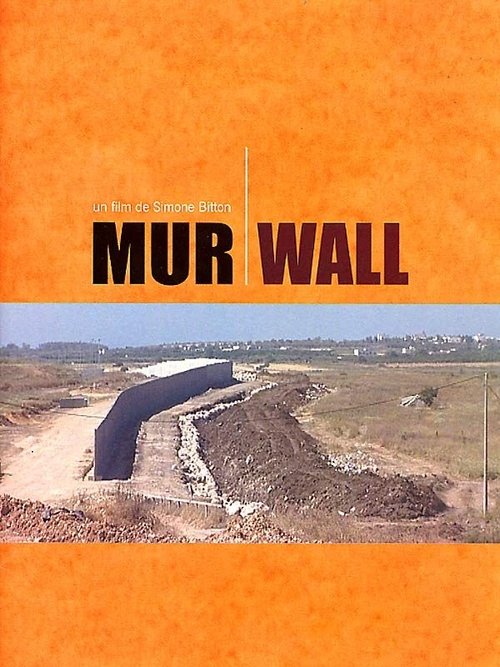
Simone Bitton
Runtime
96 minutes
Average Rating
No ratings yetNew Showbiz Analysis
Simone Bitton’s *Mur* succeeds as a contemplative documentary that shifts the focus from geopolitical abstraction to the granular reality of human confinement. It excels by prioritizing the ability to act of underrepresented voices, particularly within the Palestinian experience, to illustrate the human cost of partition. The film effectively challenges traditional conflict clichés by focusing on how systemic structures disrupt social and domestic life. This approach provides a sophisticated look at how ethnicity and identity dictate one's relationship with space and sovereignty. While the film offers deep insights into ethnic and cultural exclusion, it remains more secondary in its treatment of specific LGBTQ+ and physical disability themes. The focus remains firmly on the broader political and psychological impacts of the separation barrier.
Category Breakdown
The film avoids clichés by exploring how personal identities intersect with state-imposed restrictions. While nuanced, specific LGBTQ+ identities are not the central theme of the narrative.
The documentary challenges traditional masculine-centric warfare narratives by focusing on domestic and social consequences. It highlights how the barrier impacts daily mobility and social structures for various individuals.
The film provides a significant role in driving the story to Palestinian voices, refusing to treat subjects as monolithic. It uses the barrier as a metaphor for systemic ethnic and racial stratification.
Adopting a post-colonial perspective, the film critiques borders as tools of systemic oppression. It examines how institutionalized control disrupts traditional community structures and social cohesion.
The narrative explores the psychological trauma and mental health implications of living under constant surveillance. However, specific physical disabilities are not a primary focus.
Present on Screen
Limited or Absent
Official Synopsis
A meditation on the separation fence in Israel-Palestine that imprisons one people while enclosing the other.
2012
2011
2016

2016

2004

2024
2005
1978
No reviews yet. Be the first to share your thoughts on this movie!
Use the rating form above to leave a star rating and optional review.