Wetback: The Undocumented Documentary
2005
No user ratings available yet
Representation score: 8.7 out of 10
Representation Score
Excellent
2009
Not RatedDirector
Rebecca Cammisa
Runtime
90 minutes
Average Rating
No ratings yetNew Showbiz Analysis
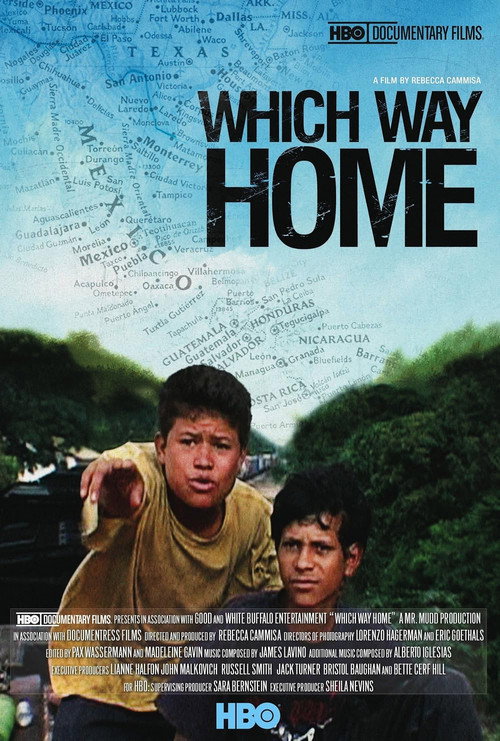
Which Way Home is a powerful documentary that challenges standard Western narratives of security. By focusing on the ability to act of unaccompanied child migrants, the film shifts the emphasis from institutional problem-solving to a critique of systemic failure. The documentary excels at examining the intersection of ethnicity and migration, providing a deep look at how state-mandated legality often conflicts with human survival. It also offers a nuanced portrayal of the gendered dimensions of displacement and systemic risk. While the film provides a critical view of systemic oppression, it lacks specific focus on LGBTQ+ identities or explicit representations of physical and neurodivergent disabilities.
Category Breakdown
The film does not prominently feature LGBTQ+ characters or explore non-cisgender identities. Queer identities are not a central theme, even though the youth depicted face high-risk situations.
The documentary highlights the gendered risks faced by young women during their migration journeys. It emphasizes how patriarchal power dynamics and systemic vulnerabilities impact their experiences.
The film focuses on the perspectives of underrepresented non-Anglo-Saxon migrants. It uses their lived experiences to explore identity within an exclusionary geopolitical context.
The narrative criticizes Western institutions and capitalist structures. It portrays survival-based actions as necessary responses to dehumanizing legal frameworks and systemic oppression.
The film captures the psychological toll of displacement, including trauma and chronic stress. However, it does not specifically represent neurodivergence or physical disabilities as central traits.
Present on Screen
Limited or Absent
Official Synopsis
Follows unaccompanied child migrants, on their journey through Mexico, as they try to reach the United States.
2005

2016

2021

2010
2019

2004

2016

2017
No reviews yet. Be the first to share your thoughts on this movie!
Use the rating form above to leave a star rating and optional review.