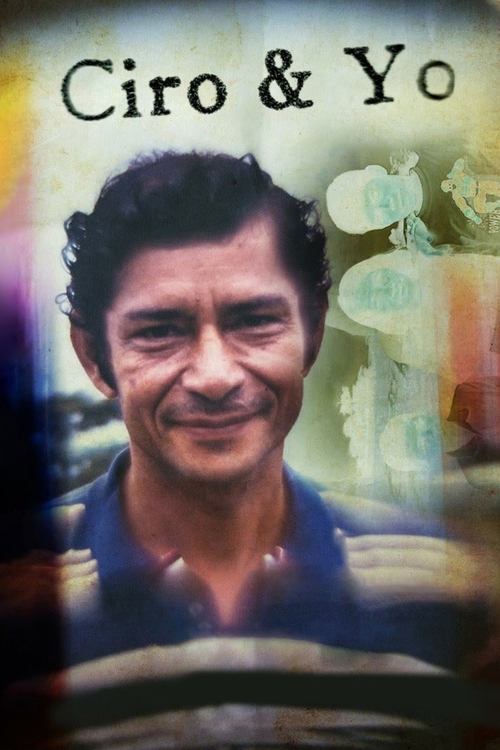
Ciro and Me
2018
No user ratings available yet
Representation score: 8.6 out of 10
Representation Score
Excellent
2018
Director
Kate Horne
Runtime
76 minutes
Average Rating
No ratings yetNew Showbiz Analysis
The film excels by centering the voices of underrepresented ethnic and cultural groups in Colombia. By returning photographs to their subjects, it empowers Afro-Colombian and Indigenous communities often ignored by mainstream history. While the documentary is a powerful tool for historical reclamation, it lacks specific focus on LGBTQ+ narratives or non-cisgender identities. There is also limited evidence regarding the specific ability to act of female subjects within the narrative. Ultimately, the work succeeds as a piece of documentary realism. It prioritizes the lived experiences of those affected by systemic violence over traditional scripted clichés.
Category Breakdown
The documentary focuses on the macro-scale horrors of the Colombian armed conflict. There is no explicit mention of LGBTQ+ narratives or non-cisgender identities.
The narrative centers on the human cost of war and diverse gendered experiences. However, it lacks specific data on women's ability to drive the story versus male combatants, remaining largely observational.
The film provides exceptional representation of underrepresented ethnic groups. By focusing on regions like Bojayá, it centers Afro-Colombian and Indigenous populations, allowing them to reclaim their stories.
The film disrupts Western-centric narratives by focusing on localized conflict and systemic failures. It explores situational morality and the devastating impact of displacement on local communities.
The subject matter inevitably involves physical trauma and the psychological effects of war. The film treats survivors with dignity, though specific neurodivergent representation is unconfirmed.
Present on Screen
Limited or Absent
Official Synopsis
The Colombian photographer Jesús Abad Colorado looks back into his photographic work portraying the Colombian armed conflict and visits territories affected by it, including San José de Apartadó, Ganada and Bojayá to show the photographs he took to those who appeared in them. He reflects on the horrors of war and the future of peace in Colombia.
2018
2018
2015
2011
2013
2019
2017
2012
No reviews yet. Be the first to share your thoughts on this movie!
Use the rating form above to leave a star rating and optional review.