
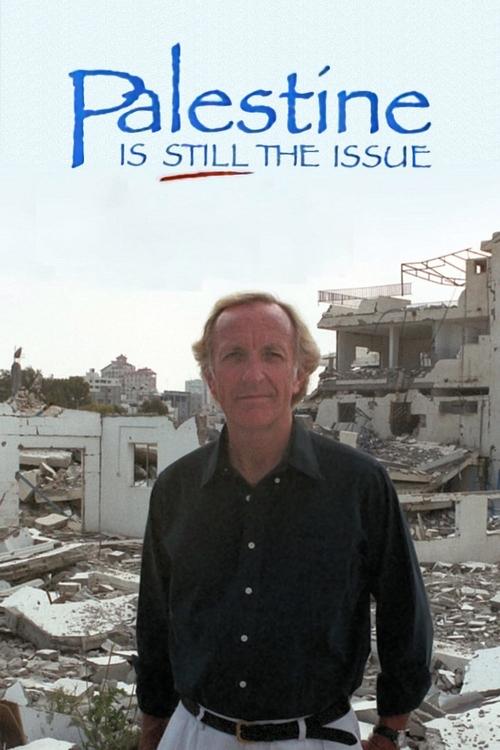
Born in Gaza
2014
No user ratings available yet
Representation score: 8.6 out of 10
Representation Score
Excellent
2003
Director
Tony Stark
Runtime
53 minutes
Average Rating
No ratings yetNew Showbiz Analysis
Tony Stark’s documentary disrupts conventional narratives by focusing on the lived experiences of Palestinians. It challenges the dominance of Western-centric news and political discourse. By prioritizing the Palestinian perspective, the film effectively questions Western interventionism and global hierarchies. It provides a platform for underrepresented voices while remaining neutral on LGBTQ+ and disability representation. The film uses a post-colonial framework to examine geopolitical struggles and systemic power imbalances, emphasizing the importance of diverse viewpoints.
Category Breakdown
The film does not explicitly depict LGBTQ+ identities. It avoids homophobic stereotypes but does not center queer experiences as a main theme.
The documentary includes perspectives of women and children, shifting the focus away from a strict military lens.
The film centers the Palestinian perspective, providing ability to act to ethnic subjects and challenging the Western viewpoint.
The narrative highlights the subjective experiences of occupied populations, critiquing Western institutional influences.
The film does not specifically highlight disabilities but addresses the humanitarian impact, touching on physical and psychological vulnerabilities.
Present on Screen
Limited or Absent
Official Synopsis
A documentary about the Israeli-Palestinian conflict that has lasted for more than 50 years. Contains some interviews with the children in this conflict.
2014

2011

2004

2024

2016

2012

2005
2025
No reviews yet. Be the first to share your thoughts on this movie!
Use the rating form above to leave a star rating and optional review.