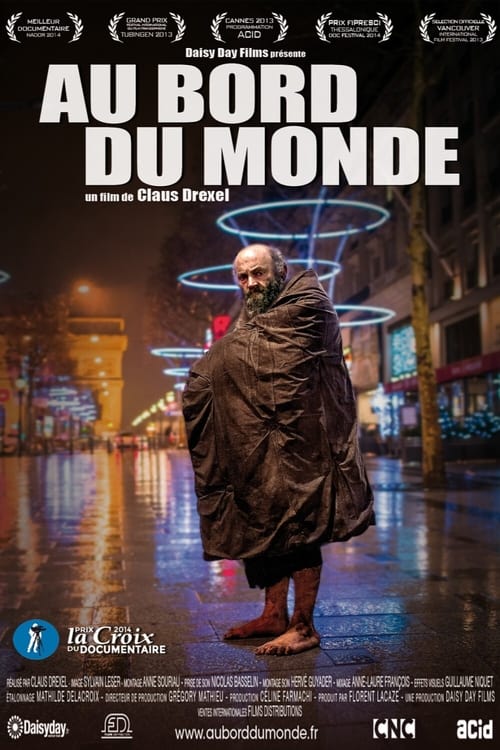
The Edge of the World
2014
No user ratings available yet
Diversity score: 6.3 out of 10

2000
Director
Javier Corcuera
Runtime
89 minutes
Average Rating
No ratings yetSynopsis
This documentary looks at "the back of the world": small children working as quarrymen in Peru, Kurdish political refugees from Turkey, and families and inmates awaiting the end on Mississippi's Death Row.
Overall Score
Good
Category Breakdown
LGBTQ+ Representation
The film does not provide explicit evidence of queer identities or arcs. The score reflects a neutral stance where no heteronormative dominance is promoted, though no specific LGBTQ+ narratives are identified.
Gender Representation
The narrative focuses on systemic roles like quarrymen and refugees. While gendered power dynamics are not detailed, the inclusion of families suggests a shift toward survival-based social structures.
Racial & Ethnic Diversity
The film excels by centering non-Western perspectives, such as Peruvian child laborers and Kurdish refugees. This approach actively shifts the gaze away from Anglo-centric viewpoints to highlight marginalized ethnic identities.
Religious & Cultural Diversity
The work critiques Western-aligned institutional frameworks by examining the Mississippi Death Row system and Kurdish refugee struggles. It highlights the human cost of global economic structures and geopolitical instability.
Disability Representation
No specific physical or neurodivergent disabilities are cited. However, the film engages with the invisible disabilities of trauma and physical exhaustion caused by quarry work and life on Death Row.
Strengths
Areas for Improvement
AI Analysis
Javier Corcuera’s documentary serves as a tripartite study of systemic displacement, focusing on those existing on the periphery of global power. By centering Peruvian laborers, Kurdish refugees, and American death row inmates, the film deconstructs global stability through the lens of the overlooked. The film's strength lies in its commitment to non-Western perspectives and its critique of state-sanctioned institutions. It successfully shifts the narrative gaze away from traditional Anglo-centric viewpoints to provide agency to the disenfranchised. However, the documentary lacks explicit detail regarding LGBTQ+ identities and specific gendered power dynamics. While it touches on the psychological weight of trauma, it does not explicitly document specific physical or neurodivergent disabilities.
2014

2005
2017
1979
2000

2016

2019
2015
1998
2001
1975
2016
No reviews yet. Be the first to share your thoughts on this movie!
Use the rating form above to leave a star rating and optional review.