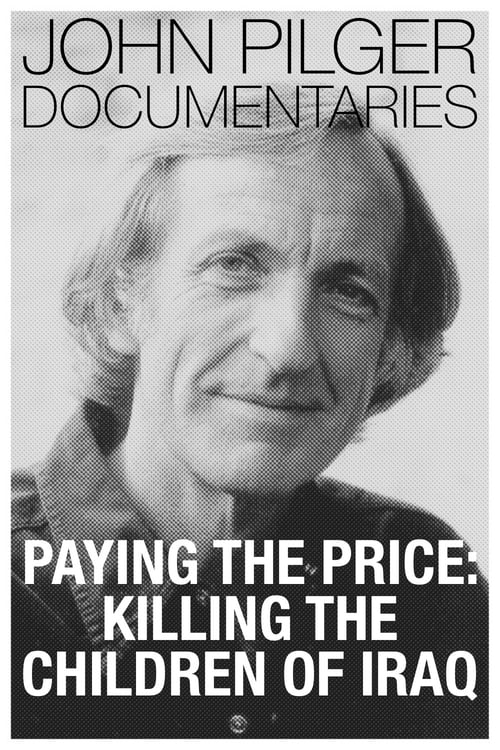
Paying the Price: Killing the Children of Iraq
2000
No user ratings available yet
Diversity score: 6.7 out of 10
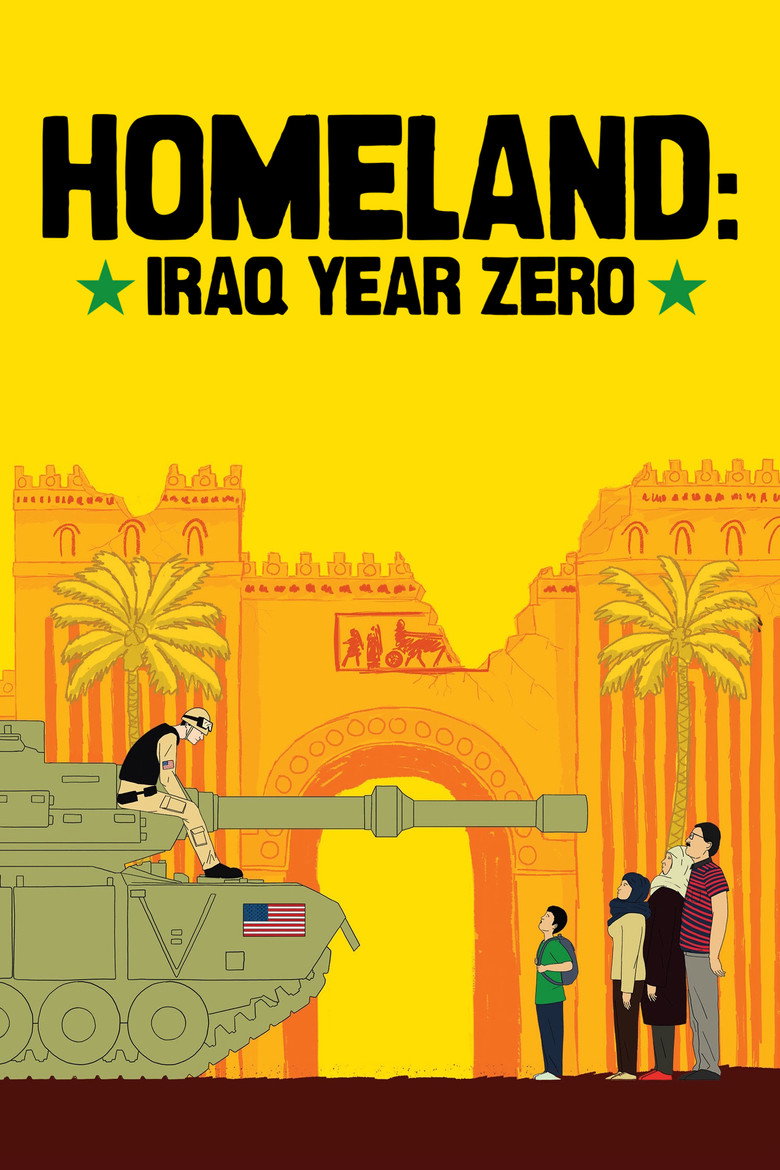
2016
Director
Abbas Fahdel
Runtime
334 minutes
Average Rating
No ratings yetSynopsis
Chronicles of everyday life in Iraq before and after the U.S. invasion.
Overall Score
Good
Category Breakdown
LGBTQ+ Representation
The documentary focuses on the immediate survival and social structures of Baghdad. There is no explicit evidence of LGBTQ+ characters or narratives within the documented civilian experience.
Gender Representation
The film captures how wartime conditions force a reconfiguration of traditional roles. Women are shown navigating the complexities of survival and social maintenance amidst systemic instability.
Racial & Ethnic Diversity
The film excels by centering the Iraqi citizenry rather than Western perspectives. It provides a high-agency look at a population often relegated to passive roles in global media.
Religious & Cultural Diversity
This work serves as a potent critique of Western interventionism. It prioritizes indigenous perspectives to deconstruct official narratives regarding the U.S. invasion and its consequences.
Disability Representation
The film does not center specific disability narratives. However, the physical and psychological trauma resulting from urban warfare remains an implicit, omnipresent theme throughout the footage.
Strengths
Areas for Improvement
AI Analysis
Abbas Fahdel’s documentary provides a vital, indigenous counter-narrative to Western-centric geopolitical reporting. By centering the lived experiences of Iraqis, the film successfully deconstructs the 'liberation' trope often found in mainstream media. The film's strength lies in its cultural and racial authenticity, offering a granular look at a population navigating systemic collapse. It moves beyond mere journalism to provide a profound critique of institutional intervention. While the film lacks explicit representation of LGBTQ+ identities or specific disability narratives, it captures the broader, unvarnished reality of human vulnerability and shifting gendered agency during wartime.
2000

2016

2015
2018
2004
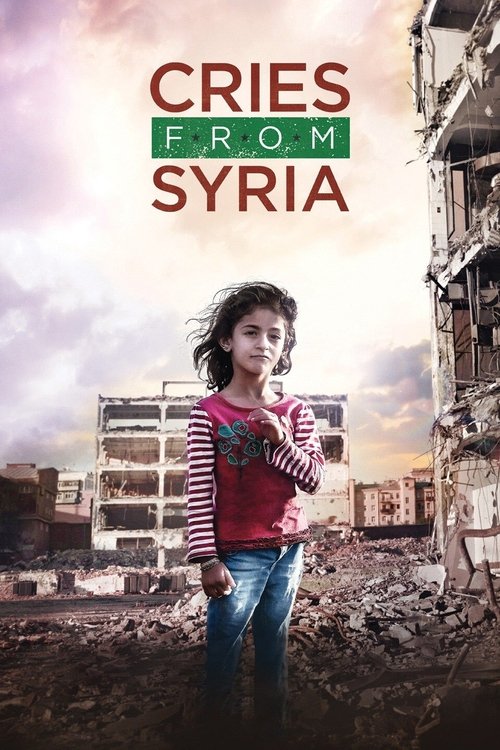
2017

2020
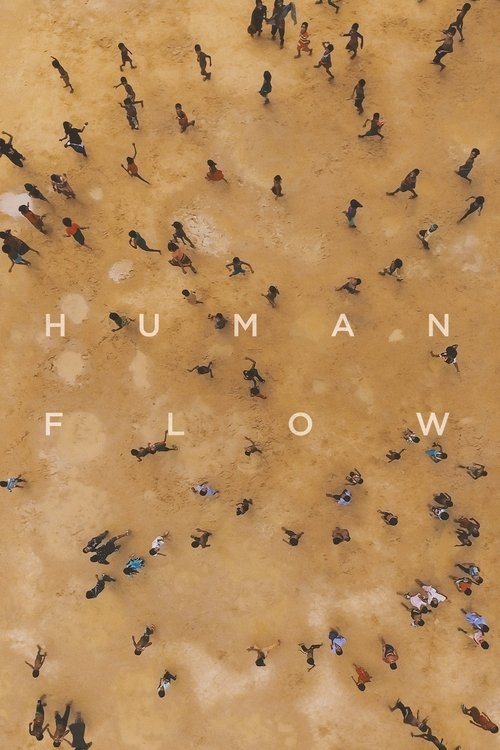
2017
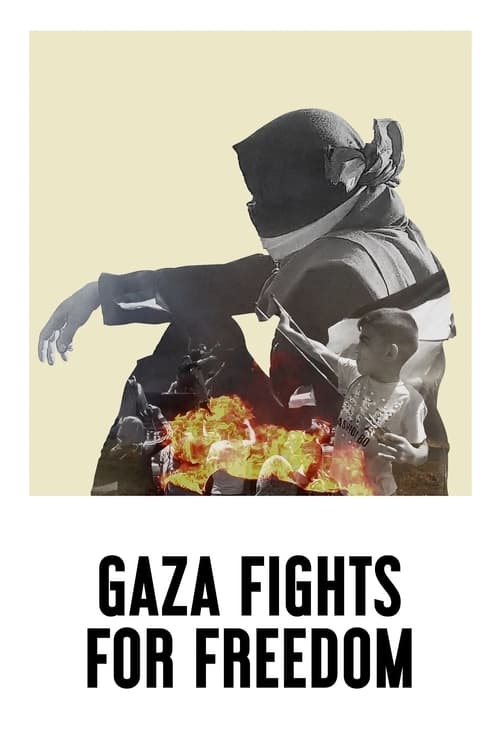
2019
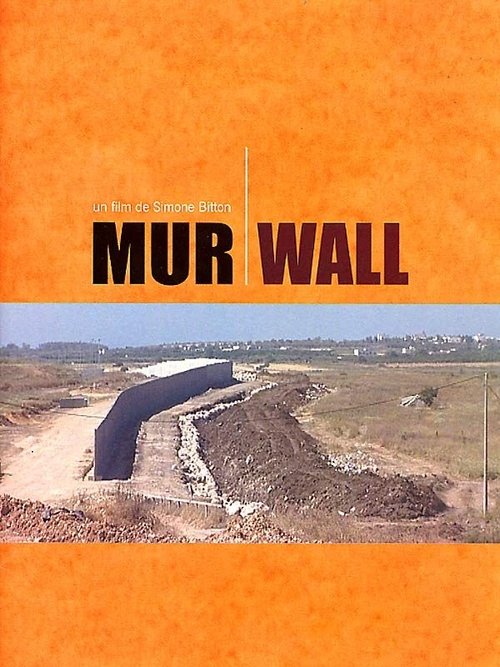
2004
2014
2005
No reviews yet. Be the first to share your thoughts on this movie!
Use the rating form above to leave a star rating and optional review.