Public Housing
1997
No user ratings available yet
Representation score: 9.3 out of 10
Representation Score
Excellent
2015
TV-MADirector
Frederick Wiseman
Runtime
190 minutes
Average Rating
No ratings yetNew Showbiz Analysis
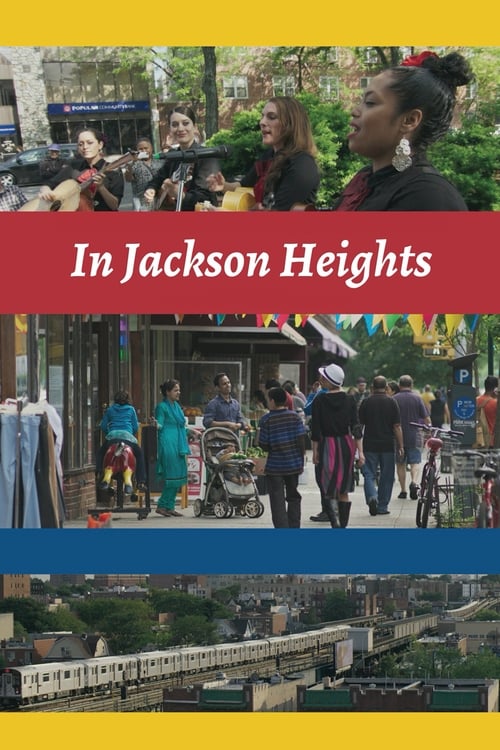
In Jackson Heights is a profound ethnographic study that breaks away from typical documentary conventions. By avoiding a single, dominant narrative, the film reflects the true demographic reality of the neighborhood. Its greatest strength lies in its portrayal of racial and cultural diversity, moving beyond including someone from a minority group without giving them real depth to showcase a complex, multi-ethnic community. While the film does not focus on specific LGBTQ+ or disability-centric narratives, its observational approach offers a nuanced critique of homogeneous social structures through its depiction of community institutions.
Category Breakdown
The film focuses on documenting various communities without emphasizing specific LGBTQ+ stories or non-binary gender arcs. It maintains a neutral stance without promoting the idea that everyone is straight or cisgender.
The film observes how men and women interact in public and private spaces without focusing on a dominant male character. It highlights the fluid nature of gender roles without explicitly challenging traditional gender norms.
The film excels in depicting the diverse racial and ethnic makeup of the neighborhood. It centers on South Asian and Latin American communities, showing how they shape the social fabric of the area.
The documentary presents a diverse religious and secular landscape. It avoids promoting a single religious viewpoint, instead highlighting the coexistence of various spiritual beliefs.
The film captures the physical challenges of living in a densely populated urban area. However, it lacks detailed portrayals of individuals with disabilities, particularly those with neurodivergence or chronic illnesses.
Present on Screen
Limited or Absent
Official Synopsis
Legendary documentary filmmaker Frederick Wiseman (At Berkeley, National Gallery) explores the culture, politics and daily life of the Queens, NYC district of Jackson Heights, which lays claim to being the most diverse neighbourhood in the world.
1997

2000
1999

2010
2006

2016
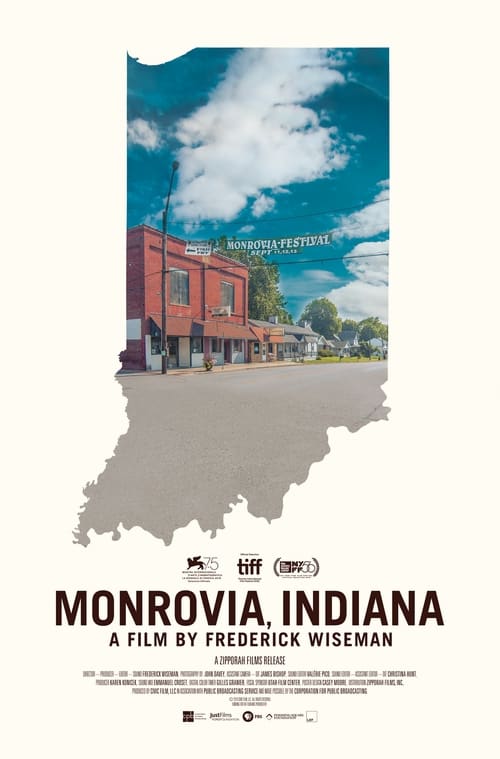
2018

2013
No reviews yet. Be the first to share your thoughts on this movie!
Use the rating form above to leave a star rating and optional review.