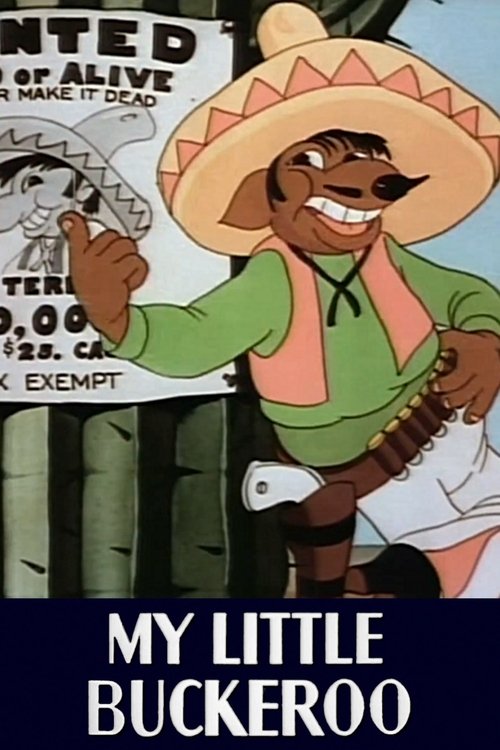
My Little Buckeroo
1938
No user ratings available yet
Representation score: 0.6 out of 10
Representation Score
Minimal
1971
Director
René Goscinny, Morris
Runtime
71 minutes
Average Rating
No ratings yetNew Showbiz Analysis
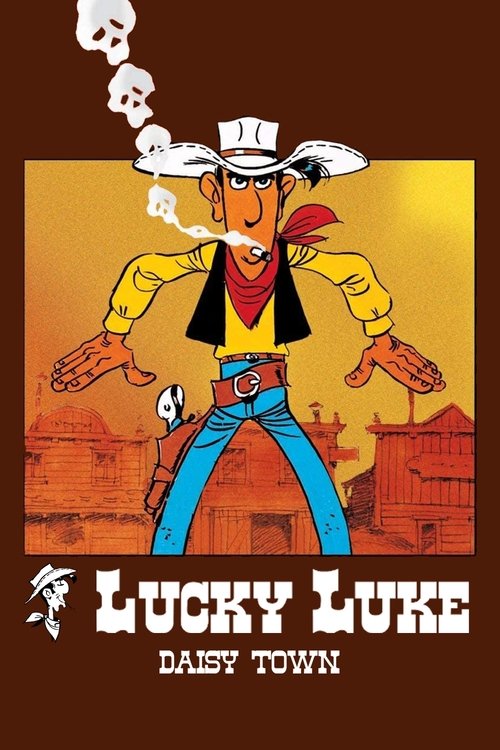
Daisy Town exemplifies traditional genre storytelling that upholds established social hierarchies. The narrative relies on well-known Western clichés where a singular hero maintains social order. The film reinforces classic archetypes through humor rather than challenging them. It adheres to the storytelling structures typical of its era and genre, offering limited representation for underrepresented identities or diverse viewpoints.
Category Breakdown
The film does not include any representations of LGBTQ+ identities or same-sex relationships. The character interactions focus solely on heterosexual relationships and male-driven conflicts.
The story focuses primarily on male characters and their roles, while female characters have limited influence over the plot. The narrative is driven by male figures such as pioneers, outlaws, and the lawman.
The cast is predominantly white, with little racial diversity. The characters fit into standard period archetypes commonly found in Western genre films.
The story upholds traditional institutions and emphasizes the importance of authority through the main character, Lucky Luke. It follows a conventional expansionist storyline without questioning societal structures.
There are no clear depictions of physical or neurodivergent disabilities. Character traits are defined by their comedic abilities or incompetence rather than any form of disability.
Present on Screen
Limited or Absent
Official Synopsis
When the members of a caravan of pioneers find a daisy growing in the middle of the desert they decide to stop there and to build their town on this very spot. Houses soon spring up like mushrooms, immediately followed by a bank, a saloon, a prison, etc. Daisy Town is born. Unfortunately a city does not go without its bad boys and the peaceful place is soon turned into a lawless place. To restore law and order, a lawman is needed. Lucky Luke, the cowboy who shoots faster than his shadow, will be this man: all the villains had better watch out!
1938
1983
1948
1951
1964
1939
1962
1962
No reviews yet. Be the first to share your thoughts on this movie!
Use the rating form above to leave a star rating and optional review.