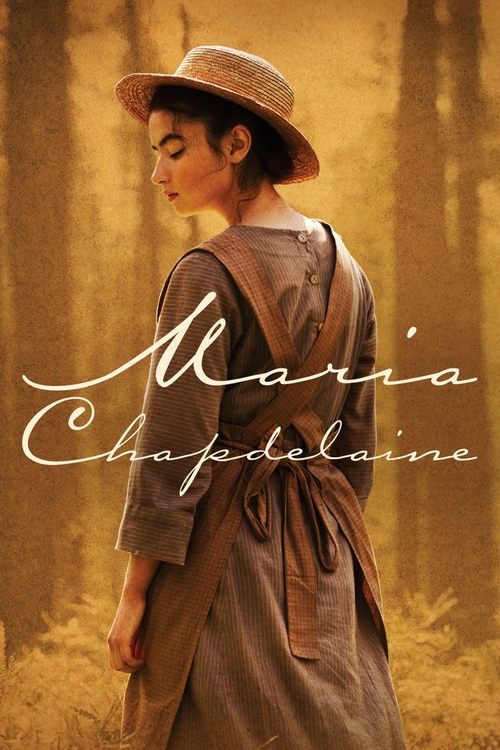
Maria Chapdelaine
2021
No user ratings available yet
Representation score: 0.4 out of 10
Representation Score
Minimal
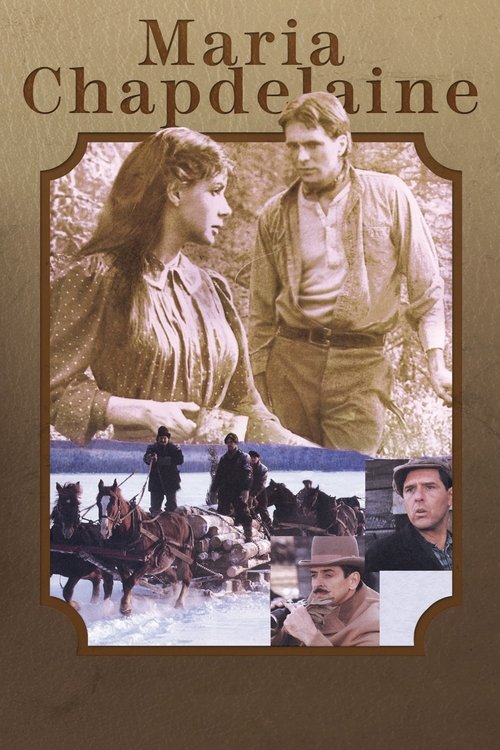
1983
Director
Gilles Carle
Runtime
107 minutes
Average Rating
No ratings yetNew Showbiz Analysis
Gilles Carle’s adaptation highlights the preservation of a vanishing way of life centered around a specific historical period and cultural identity. The film emphasizes the psychological impact of adhering to communal traditions over disrupting social hierarchies. The narrative reinforces conventional gender roles and ethnic homogeneity. While it provides an immersive experience of a particular historical moment, it lacks diversity in its social structure. Ultimately, the film celebrates the preservation of a traditional way of life, focusing on a singular, white, French-Canadian identity and the authority of religious institutions.
Category Breakdown
The film operates within a framework that assumes everyone is straight or cisgender. It focuses on Maria's choice among three male suitors, with no depiction of non-traditional gender identities.
Maria has emotional depth but her role is defined by domestic duties and marriage expectations. Male characters embody traditional roles like the stable provider or rugged laborer.
The cast reflects the homogeneous settler population of the time. Indigenous people are shown in a folkloric context rather than as meaningful, actively leading characters.
Catholicism is a central part of the community's moral framework. The narrative celebrates the preservation of traditional Western institutions and the duty to the land.
There are no prominent depictions of visible or invisible disabilities that drive the narrative or provide character's ability to drive the story.
Present on Screen
Limited or Absent
Official Synopsis
A young woman, living with her parents and siblings on a remote farm in harsh, picturesque northern Québec, has three suitors: a steady and unimaginative farmer, Eutrope, the Americanized and wealthy Lorenzo, who has sought his fortune in Boston, and François Paradis, a rough and virile logger who captures her heart despite the warnings of her parents and the village priest. For a year, marked by seasonal change in an atmosphere charged with the strangeness of Indians and the demons of the woods, we see Maria at work and prayer, struggling with decisions, choosing to stay in Canada, in love with François, seeking to change his rough behaviors, and dealing with extraordinary loss.
2021
1965
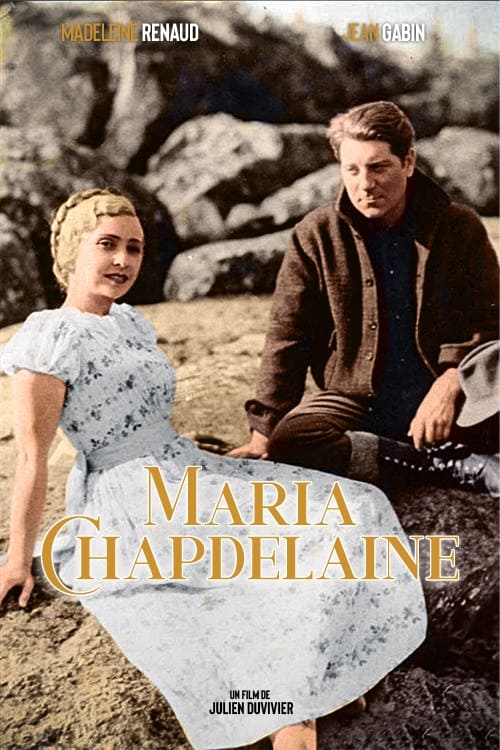
1934
1967
1991
2014
1989
1928
No reviews yet. Be the first to share your thoughts on this movie!
Use the rating form above to leave a star rating and optional review.